Crested Gecko Enrichment: Vertical Space, Cover, and Foraging
On This Page▾

Crested geckos live vertically, so enrichment here means real climbing complexity, cover at height, and feeding that asks for a little effort.
Vertical climbing structure is the single highest-impact enrichment upgrade for this species. A tank with plenty of floor space but a bare, empty vertical dimension is missing the part of the enclosure a crested gecko actually uses most.
Climbing Structure
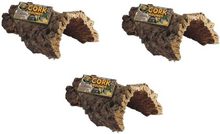
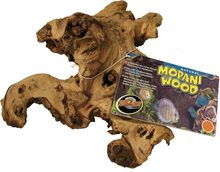
Build a multi-level network with cork bark and cork tubes, which double as daytime sleeping hollows, plus sturdy branches set at varied diameters and angles. Weave in real or artificial vines to create crossing routes, and add elevated ledges or a magnetic feeding platform so the gecko never has to come down to the floor to eat. Leave real gaps between perches on purpose, crested geckos are excellent jumpers and will use the open space.
Cover and Daytime Security
Dense foliage lets a crested gecko control its own light exposure during the day. Pothos, philodendron, sansevieria, and bromeliads are common safe choices, live or high-quality artificial. Add several elevated hides, cork tubes, half coconut shells, or magnetic wall hides, placed at different heights so the gecko has a real choice of where to settle, not just one option.
Foraging and Feeding
Live insects offered once or twice a week bring out active hunting and stalking that a dish of crested gecko diet alone doesn't, and what those insects ate first decides what the gecko gets out of them. Scatter or tuck small amounts of food among foliage and ledges instead of always using the same spot, and keep feeding stations elevated on a magnetic ledge, matching where the gecko naturally feeds in the wild.
Large gaps between branches aren't a design flaw, they're intentional. Crested geckos are confident jumpers, and open space between perches is part of what makes a climbing network genuinely enriching rather than just decorative.
Bioactive Setups
A well-established bioactive enclosure, springtails and isopods working through a drainage layer, soil mix, and leaf litter, adds ongoing low-level stimulation on top of everything above. It's a long-term option worth considering once the basics are dialed in, not a requirement to get started.
Sources & Further Reading
❓ Frequently Asked Questions
What counts as enrichment for a crested gecko?
A complex vertical climbing network, cover at different heights so the gecko can choose how exposed it is, and food presented in a way that involves some searching or hunting rather than a static dish on the floor. It never replaces correct humidity, temperature, and a properly sized vertical enclosure, those come first.
Does a crested gecko need live plants?
Live plants aren't strictly required, high-quality artificial foliage covers the same need for daytime cover and security. Pothos, philodendron, and bromeliads are common safe choices if you do go live, and either way, dense cover reduces stress by letting the gecko control its own light exposure.
How much climbing structure is too much?
It's hard to overdo vertical complexity for this species, crested geckos are strong jumpers and use open gaps between perches on purpose. The limit is stability, every branch and piece of cork has to be anchored so nothing collapses under the gecko's weight mid-jump.
Is a bioactive setup necessary for enrichment?
No, it's an advanced option, not a requirement. A well-set-up bioactive enclosure with springtails and isopods adds continuous low-level stimulation through a growing, self-cleaning environment, but a non-bioactive setup with good climbing structure, cover, and varied feeding covers the basics just fine.
Should I rearrange the enclosure often for novelty?
Only occasionally. Sudden total overhauls of a shy individual's enclosure cause stress rather than enrichment. Small changes, a new branch angle or rotated plant, are enough, and the core climbing structure and hides are better left stable.
📰 More on the Crested Gecko
📘 Crested Gecko care guide
🦎 How Much Does a Crested Gecko Really Cost?
🦎 How to Handle a Crested Gecko (And Why Tail Loss Is Different Here)
🦎 Common Crested Gecko Health Issues and What Causes Them
🦎 Crested Gecko Tank Setup: Vertical Space, Humidity, and a Hard Temperature Ceiling
🦎 Crested Gecko Feeding: Schedule, Diet, and Why They Stop Eating
🛒 Recommended Gear
As an Amazon Associate, we earn from qualifying purchases through the links above - at no extra cost to you.
Written by Michael Ryan
Mike keeps two rescued bearded dragons, Dex and Cera, and writes the care guides on BeastlyFacts from his own research and mistakes. He is not a veterinarian.
More about Michael Ryan →Comments
No comments yet - be the first!