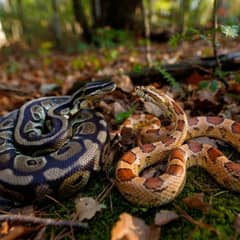
Reptile Quarantine: Why New Snakes and Lizards Need Months, Not Weeks
On This Page▾

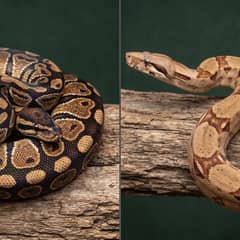
A new snake or lizard can walk out of a pet store or a breeder's rack looking completely normal and still be carrying something that can hurt, or kill, the reptile already living in your house. That gap between how an animal looks and what it carries is the whole reason quarantine exists. Two problems drive most of the advice here: snake mites (Ophionyssus natricis), which spread fast through direct contact and shared equipment, and inclusion body disease, a fatal virus in boas and pythons that can sit silently in a carrier for a long time before it does anything visible. Both are preventable with the same basic setup: a separate space, months of time, and a routine that puts the new animal last in line. Every new reptile joining a home with another reptile gets 3 to 6 months of quarantine, and inclusion body disease is the reason boas and pythons need the full stretch. This guide covers snakes and lizards.
Why "It Looked Fine" Isn't Good Enough
Outward appearance is not a reliable health test. Boas can harbor the inclusion body disease virus, now confirmed as a reptarenavirus, for months to years with few or no clinical signs. Pythons go the other way: once signs start, most pythons die within days or weeks. Either way, "it seems fine" says little about what a new arrival might be carrying, which is why quarantine trades a visual check for time and testing.
Snake mites are a more visible problem, but a new animal can still bring in an infestation that isn't obvious on day one. Mite infestations kill through anemia or bacterial or viral infection, and the mites mechanically carry Aeromonas hydrophila, a range of other bacteria, rickettsial agents and viruses. That includes inclusion body disease itself, which spreads through breeding, fight wounds, fecal-oral contamination, and snake mites. A mite problem you don't catch early doesn't stay contained to one animal, and it can hand off a much more serious disease while it's at it.
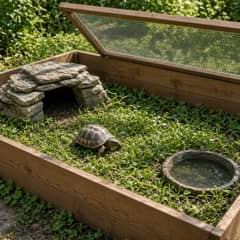
Tortoises and box turtles carry a different headline risk, a well-documented herpesvirus, and the chelonian herpesvirus quarantine protocol is the one that species group follows instead.
How Long, and Why It Runs Into Months
That 3 to 6 months comes from veterinary husbandry guidance. It is 90 to 180 days, and the upper end is not padding.
The reason the window has to run that long comes straight from how the two headline problems behave. A mite infestation, checked daily on bare substrate, tends to declare itself within the first few weeks. Inclusion body disease does not play by the same clock. A boa can carry the virus with no visible sign for far longer than that, so stopping quarantine the moment nothing looks wrong tells you almost nothing about that specific risk. Running the full 3 to 6 months is what gives a slow problem the time to show itself before it reaches an established pet.
Choosing a Healthy Reptile and a Reptile Vet
Quarantine catches what a buyer could not see. The first filter is the source. A breeder who hatched the animal can say when it hatched, what it eats, and when it last ate and shed. A pet store or a breeder is worth buying from only if its enclosures are clean and large enough to keep the animals comfortable. A rescue animal often arrives with no reliable history at all, and an expo table puts animals from many sellers in one room and one airspace for a day. Neither is a reason to refuse the animal. Both are reasons to run the full quarantine window with no shortcuts.
Captive-bred animals make the better pets. Compared with wild-caught animals they are less likely to bite, more likely to accept the food offered, and less likely to carry parasites. A seller who cannot say whether an animal was bred or caught has answered the question.
Before paying, look the animal over in good light:
| Check | Healthy | Walk away or ask more |
|---|---|---|
| Eyes | Clear and alert | Swollen, sunken, cloudy outside a shed, or crusted |
| Nose and breathing | Dry nostrils, quiet breathing | Bubbles, mucus, wheezing, or open-mouth breathing |
| Vent | Clean | Stained, pasted with feces, or swollen |
| Body condition | Rounded body, no projecting hips, spine or ribs | Visible bones, sunken tail base, or a size well behind photos of the species at the same age |
| Skin and shed | Intact skin, no retained shed | Wounds, scratches, or rings of old shed on toes and tail tip |
| Mites | None visible | Tiny black, brown, reddish or orange flecks on the head, neck or belly, especially around the eyes |
| Behavior | Tongue flicking, aware of its surroundings, strong grip or muscle tone | Limp, unresponsive, or unable to hold on |
Then ask the seller four things: the hatch date, whether it was captive bred, what it eats and when it last ate, and whether it has been treated for anything, mites or a respiratory infection above all. A good breeder answers all four without looking anything up and stays reachable for questions afterward.
Find the vet before the animal comes home, because not every practice treats reptiles, and the time to learn that is not during an emergency. The Association of Reptile and Amphibian Veterinarians (ARAV) runs a Find A Vet directory, and at minimum the vet should be an ARAV member in good standing. When you call a clinic, ask how many reptiles it sees, whether it routinely treats your species, whether it runs fecal parasite exams in house, and who covers reptile emergencies after hours. Book the first exam within 72 hours of bringing the animal home if you can (48 hours for a bearded dragon), and no later than two weeks. That visit sets a baseline weight and a record of the animal healthy, which is what every later visit is measured against.
Setting Up a Separate Space
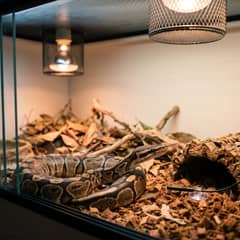
A second tank in the same room as your established reptile is not quarantine. It is proximity with a lid on it. Put the new animal in a different room, so the two share no air. Where that truly can't be done, keep at least six feet between enclosures, and more is better.
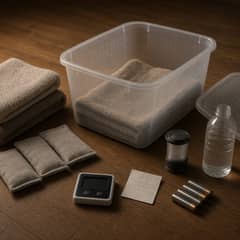
Inside that separate space, keep the enclosure itself deliberately plain. The reason is the standard mite check: gently rub the reptile while it stands over a sheet of white paper, and any mites that fall off show up against it. A quarantine enclosure lined with plain paper towel is that diagnostic surface, running continuously, for the whole quarantine period. It does the same job for stool and for regurgitated food, both of which are visible on paper and invisible in three inches of bark chip. A tank layered with loose substrate and decor hides the two things you're trying to catch. Keep furnishings to a hide box and a water dish, items you're comfortable discarding or disinfecting once quarantine ends.
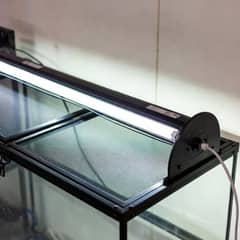
Plain does not mean bare of equipment. The quarantine enclosure still needs a heat source run through a thermostat, set toward one end so the animal has a warm-to-cool gradient, and a digital probe thermometer to confirm it, since stick-on strips and dial thermometers read too loosely to trust. Add UVB for any species that needs it, which covers most day-active lizards.
Separate Tools, and the Order You Work In
Everything that touches the new animal needs its own version that never crosses over: feeding tongs, the water dish, a spot-cleaning scraper, even the paper towel roll if you can manage it. Where something has to be shared, clean it thoroughly between uses.
The new animal is always serviced last. Feed, water, and spot-clean your established snake or lizard first, every time, and only open the new arrival's enclosure once everything else is done. Wash your hands, or change gloves, between the two, even on days when nothing looks unusual. It's a small habit that costs a few extra minutes and closes off the most obvious way a new animal's mites or a pathogen on your hands reach an animal you're trying to protect.
The Vet Workup During Quarantine
Quarantine time on its own is a waiting game unless it's paired with an actual exam. The first health check, booked in that window, is where the vet records weight, general appearance and mobility and palpates the animal. The part that matters most for quarantine is a fresh fecal sample, so the vet can check for intestinal parasites, since microscopic examination of feces is what detects coccidia, protozoa and intestinal worms. Treat that screen as non-negotiable, because those parasites show no outward sign at all, and a quarantine that runs six months on observation alone will still miss them. Knowing what normal reptile stool and urates look like before that first sample is what lets a keeper judge an odd one calmly.
What to Watch For as the Weeks Pass
| Sign | What it can point to | What to do |
|---|---|---|
| Small dark or reddish specks around the eyes, chin, or under scales | Snake mites (Ophionyssus natricis) | Check daily against the bare paper substrate; once mites are confirmed, treat both the reptile and its enclosure, on a reptile vet's directions |
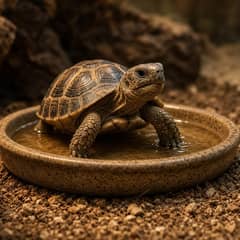
| Unusually long soaking sessions in the water dish | An early mite sign, often before any mite is visible: affected reptiles soak for long periods trying to drown the parasites | Inspect closely for mites around the eyes and under the chin |
| Retained shed, especially around the eye caps or tail tip | Illness stress, low humidity, or a parasite burden | Compare against a normal shed cycle and mention it at the vet visit |
| Regurgitation | Stress, an unsuitable temperature, or in boas and pythons specifically, an early inclusion body disease sign | Stop feeding for a cycle and call the vet, especially in a boa or python |
| Facial tics, abnormal tongue flicking, a fixed upward gaze (stargazing), failure to right itself when turned onto its back, or seizures | Neurological signs of inclusion body disease in boas and pythons. IBD is not established in lizards, so in a lizard the same signs point to another cause | Treat as an emergency and keep it further away from any other reptile immediately |
| Open-mouth breathing or audible clicking | Respiratory infection, sometimes secondary to a mite-borne pathogen or general stress | Same-day vet contact |
| Weight loss despite normal feeding, or a refused meal that continues | General illness, parasites, or in boas and pythons, a possible early inclusion body disease sign | Track weight weekly and flag any steady decline to the vet |
A quiet first month rules out little beyond mites, so run the full window anyway. If your new animal is a boa or python, weigh it weekly and keep a simple log of appetite, stool and any retained shed. A pattern that only becomes visible after a month of entries is exactly the kind of thing daily memory alone will miss.
Ending Quarantine: Disinfection Before Introduction
Reaching the end of the quarantine window isn't the finish line by itself. Once the vet exam and fecal screen come back clear and the full window has passed, clean and disinfect the enclosure, dishes, and every tool that touched the new animal before any of it is reused near an established pet, and don't shortcut this step just because the calendar period is technically over. F10SC, chlorhexidine or a diluted bleach solution (half a cup per gallon) all do the job; rinse thoroughly afterward and let everything dry completely. Tools you plan to keep can go through a high-heat cycle or be boiled instead. If anything flags during quarantine, restart the clock: a positive fecal, a bout of regurgitation, or unexplained weight loss each resets it. A new animal that's ninety percent through a clean quarantine and then regurgitates a meal hasn't earned an exception. It has given you the one piece of information the whole process was designed to catch.
Months of Separation, One Clean Fecal
One shared pair of tongs or one skipped hand wash can undo weeks of separation, so the routine matters as much as the room. Keep the new animal apart for the full window, service it last every day, and treat a clean fecal screen as its ticket in. A reptile that looks fine on day one has proved nothing yet; one with months in a bare tub and a clean exam behind it has.
Sources & Further Reading
Last reviewed 24 Sep 2026 · 4 sources
- Merck Veterinary Manual: Parasitic Diseases of Reptiles; Viral Diseases of Reptiles; Management and Husbandry of Reptiles; Selecting a Reptile
- VCA Animal Hospitals: Veterinary Care, New Reptile Visit; Choosing a Pet Reptile
- Zen Habitats: How to Set Up a Quarantine Enclosure for Your Reptile
- Iowa State University CFSPH: Livestock Isolation and Quarantine Areas Biosecurity Tip Sheet (PDF, downloads)
Frequently Asked Questions
How long should I quarantine a new snake or lizard?
Longer than the two to four weeks that gets repeated informally. Veterinary husbandry guidance recommends 3 to 6 months for a new reptile. The range is wide because the two headline risks run on different clocks: mites usually show themselves within weeks, while inclusion body disease in boas can sit with no visible signs for months to years.
Can a new reptile look completely healthy and still be dangerous to my other reptiles?
Yes, a snake or lizard can shed mites or carry a reptarenavirus with no visible symptom, and intestinal parasites show no outward sign at all. Boas can carry the inclusion body disease virus for months to years with few or no signs, longer than most owners would wait before assuming an animal is fine. That is why quarantine relies on time and a fecal screen, not on looks.
Do lizards get inclusion body disease?
Not on the evidence so far. Boas and pythons are the species most commonly affected by inclusion body disease. It is not established science that colubrid snakes or lizards get the same disease, so treat IBD as a boa-and-python-specific risk rather than a reason to isolate every reptile in a household from every other one indefinitely.
What's the single most useful physical setup detail during quarantine?
A bare enclosure on plain paper towel, which works as a mite check that runs all day. It also makes abnormal stool and regurgitated food obvious, where loose substrate and decor would hide them.
Should I feed and clean my established reptile before the new one, every single time?
Yes, and wash your hands in between. Healthy or established animals come first and the newest or highest-risk animal comes last, with dedicated equipment that never crosses over. That order is standard biosecurity practice across animal keeping, and it protects a reptile room the same way it protects a barn.
What if I only own one reptile? Do I still need to quarantine a new one?
If it will ever share a room, airflow, or your hands with another reptile you own, yes. If this is and will remain your only reptile, the collection-protection argument for quarantine doesn't apply, but a pre-purchase or early vet visit with a fecal screen is still worth doing, since it catches problems while they're simple to treat rather than after they've progressed.

Written by Michael Ryan
Mike keeps two rescued bearded dragons, Dex and Cera, and writes the care guides on BeastlyFacts from his own research and mistakes. He is not a veterinarian.
More about Michael Ryan →You May Also Like
Subscribe - it's free
An occasional email when something new is worth your time. No spam.
Health and More