Crested Gecko Tank Setup: Vertical Space, Humidity, and a Hard Temperature Ceiling
On This Page▾

Crested geckos flip the usual reptile setup logic. Where most lizards need a hot basking spot, crested geckos need you to actively avoid overheating them. Get the temperature ceiling right and the rest of the setup is fairly forgiving.
Enclosure Size and Orientation
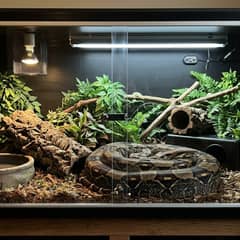
Crested geckos are arboreal, so height matters more than floor space here. The minimum for one adult is 18x18x24 inches, and taller is genuinely better, a 2x2x2 foot enclosure is a common upgrade recommendation. Front-opening glass or PVC holds humidity more effectively than a top-opening tank. Hatchlings under about 12 to 13 grams do better in a smaller grow-out enclosure before moving to the adult setup.
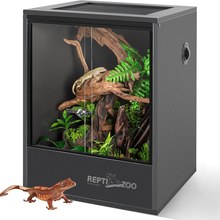
House crested geckos singly. Never house two males together, and don't group hatchlings, they're prone to biting each other's tails, which, unlike some other geckos, won't grow back.
Temperature: The Ceiling Is Non-Negotiable
Crested geckos are more heat-sensitive than most commonly kept reptiles, and this is the detail that trips up owners coming from bearded dragons or leopard geckos.
| Zone | Target Temperature |
|---|---|
| Ambient | 72 - 78°F |
| Basking area (top of enclosure) | 82 - 85°F at the surface, right up against the hard maximum below (some sources: 72-75°F to be safe) |
| Cool area (bottom) | 70 - 75°F |
| Hard maximum | Do not exceed 85°F anywhere |
Their native range in New Caledonia only reaches 79-85°F even in the hot season, and prolonged exposure above that risks fatal heat stroke. This is one of the few reptile species where too much heat is a bigger practical danger than too little.
On the other end, temperatures at or below about 72°F for extended periods cause lethargy and a dropped appetite, so you're working within a narrower, cooler band than most reptile setups. A heat bulb alone drifts, our reptile heating and thermostats guide covers the controller that holds a ceiling this strict.
Most reptile care revolves around providing enough heat. Crested geckos are one of the rare exceptions where the real danger runs the other way, their native cloud-forest habitat in New Caledonia simply never gets as hot as a desert or savanna species is built to tolerate.
Humidity
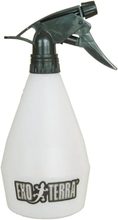
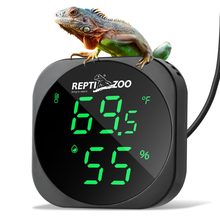
The daily wet-dry cycle this species needs is covered in full in our Crested Gecko humidity guide; the short version is a 60 to 80% swing maintained with a daily evening misting session and a digital probe hygrometer, never a dial gauge.
UVB
Not strictly required, since a complete diet powder already supplies vitamin D3, but low-level UVB is still a solid idea for overall health. If you add it, aim low: a 24-inch low-output T5 HO bulb (in the 5.0 range) is standard, targeting a UVI of around 1.0 to 2.0 at the basking area. Run it for a 12-hour photoperiod, and skip colored night bulbs entirely.
Substrate
Paper towel is fine for hatchlings and quarantine setups. For adults, coconut fiber, sphagnum, or a bioactive soil mix hold humidity well and look better long-term. Keep it at least 2 inches deep, spot-clean daily, and do a full substrate change monthly for simple setups or every 3 to 4 months for bioactive ones.

Furnishings
This is where crested geckos need more investment than a typical ground-dwelling species:
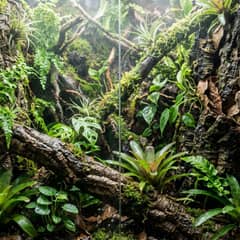
- Sturdy branches, vines, and cork bark at multiple heights for climbing
- Artificial or live foliage for cover and confidence
- A feeding ledge, since crested geckos eat arboreally in the wild
- A humid hide lined with damp sphagnum moss
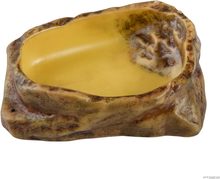
- A shallow water dish, though most hydration actually comes from your gecko licking misted droplets off leaves and enclosure walls rather than drinking from a bowl
Get the vertical space, the temperature ceiling, and the humidity swing right, and crested geckos are one of the lower-maintenance reptiles to keep long-term.
The lighting decisions here are covered in more depth in our complete guide to UVB lighting.
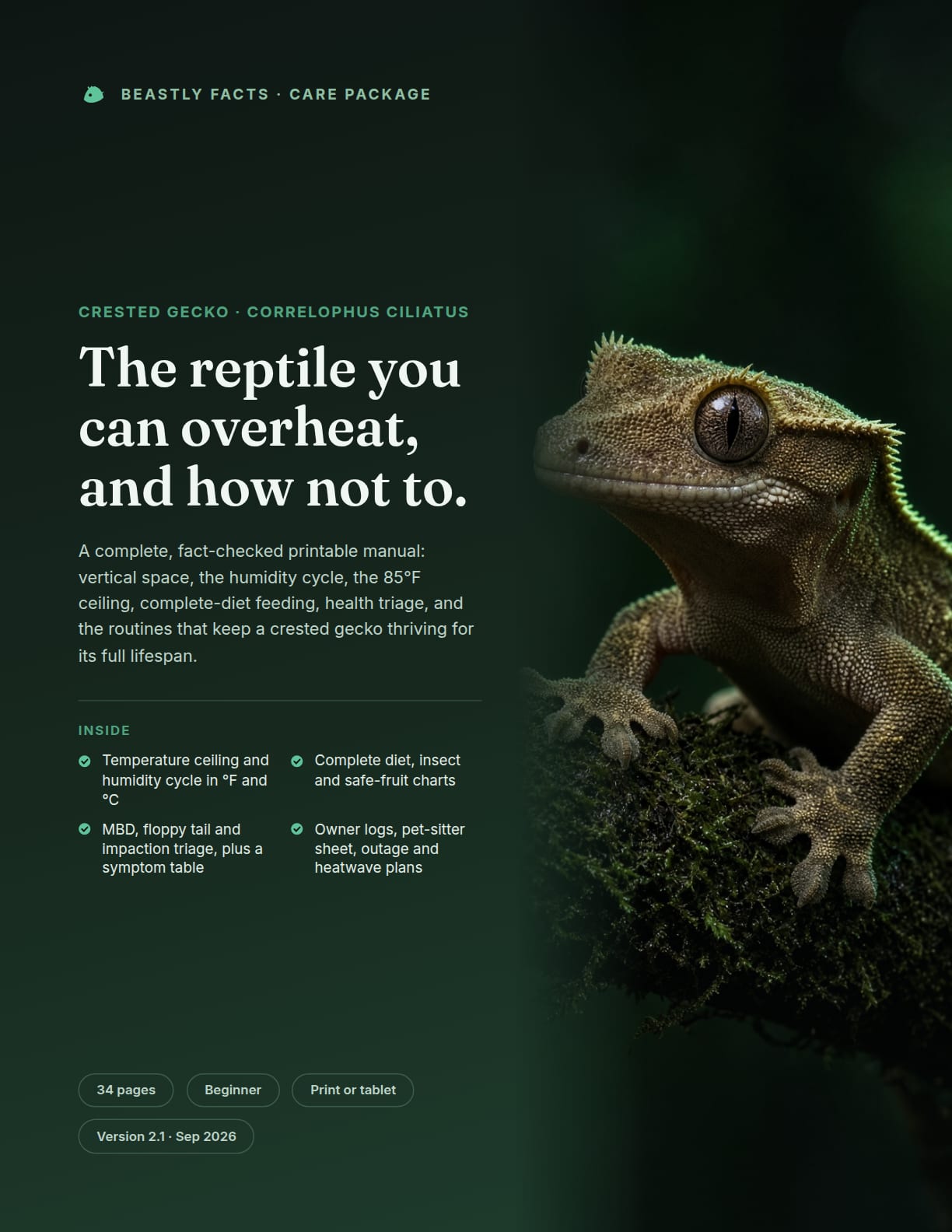
Want this as a printable reference? The Crested Gecko Care Package turns this guide into a 35-page PDF you can keep by the enclosure, $8.99.
Sources & Further Reading
Last reviewed 8 Sep 2026 · 2 sources
❓ Frequently Asked Questions
What size enclosure does a crested gecko need?
18x18x24 inches is the minimum for one adult, and taller is better, a 2x2x2 foot enclosure is a common upgrade. Crested geckos are arboreal, so height matters more than floor space here.
What's the maximum safe temperature for a crested gecko enclosure?
85°F, a hard ceiling with zero exceptions. New Caledonia, where they come from, tops out at 79-85°F in the hot season, and a long stretch above that risks fatal heat stroke. Too much heat is the bigger danger with this species.
What humidity does a crested gecko need?
60 to 80%, with a daily swing: it spikes to 80% or higher right after the evening mist and dries to around 45 to 50% by late afternoon. That swing prevents mold while still giving your gecko what it needs, maintained with a daily evening misting session.
Does a crested gecko need UVB?
Not strictly, since a complete diet powder supplies vitamin D3, though low-level UVB is still a good idea. If you add it, keep it low: a 24-inch T5 HO around 5.0, for a UVI of 1.0 to 2.0.
📰 More on the Crested Gecko
📘 Crested Gecko care guide
🦎 How Much Does a Crested Gecko Really Cost?
🦎 How to Handle a Crested Gecko (And Why Tail Loss Is Different Here)
🦎 Common Crested Gecko Health Issues and What Causes Them
🦎 Crested Gecko Feeding: Schedule, Diet, and Why They Stop Eating
🦎 Why Humidity Is Everything for Crested Geckos
🛒 Recommended Gear
As an Amazon Associate, we earn from qualifying purchases through the links above - at no extra cost to you.
Written by Michael Ryan
Mike keeps two rescued bearded dragons, Dex and Cera, and writes the care guides on BeastlyFacts from his own research and mistakes. He is not a veterinarian.
More about Michael Ryan →Comments
No comments yet - be the first!