Common Crested Gecko Health Issues and What Causes Them
On This Page▾

Nearly every crested gecko health problem traces back to husbandry: calcium, humidity, and substrate. Get those three right and most of what follows never shows up.
Metabolic Bone Disease (MBD)
MBD comes from a shortage of calcium or vitamin D3, and it gets worse over time, so catch it early.
Early sign: a soft or rubbery lower jaw is often the first thing owners notice.
Advanced signs: floppy or weak limbs, a visibly misaligned jaw, a kinked spine, tremors, and difficulty climbing. Once the disease reaches this stage, some of the damage can be permanent even with treatment.
Prevention is straightforward: feed a complete crested gecko diet powder (Pangea or Repashy are widely used), supplement with calcium, and provide low-level UVB, recommended though not strictly required. A vet diagnoses MBD through bloodwork and x-rays, so if you notice a soft jaw, don't wait to see if it gets worse on its own. The UVB half is the part that slips quietly, since output falls off with distance and with bulb age long before the lamp looks dim.
Floppy Tail Syndrome (FTS)
The tail hangs over the gecko's head or sits at an odd angle relative to the body, typically from chronic upside-down resting against glass. It's sometimes associated with calcium or pelvic issues and occasionally overlaps with MBD, though it isn't diagnostic of it on its own. The husbandry fix is more cover: fill the enclosure with branches, foliage and hides so the gecko rests on those instead of flat against the glass. If you notice it, a vet visit is still worth it to rule out an underlying calcium problem.
Impaction
This is the most common health problem in pet geckos generally, and crested geckos are no exception. It's a blockage in the digestive tract, usually caused by loose substrate (sand or bark), prey that's too large, or shed skin that wasn't fully passed.
Watch for: no bowel movement for a week or more, a visibly bloated abdomen, straining, lethargy, and appetite loss.
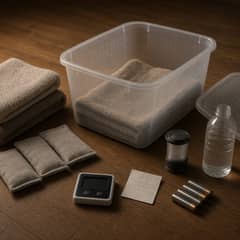
Prevent it by using solid substrate (paper towel or tile) for young geckos, and by keeping feeder insects no larger than the space between your gecko's eyes. A soak can sometimes help a mild case: no more than 15 minutes in water at 77 to 85°F, shallow enough for the gecko to keep its head clear, and never left alone in the water. If there is still no stool 24 to 48 hours after a soak, see a vet.
Retained or Stuck Shed (Dysecdysis)
Juvenile crested geckos shed every one to two weeks while they grow, and adults about once a month, so a stuck shed shows up fast in a young gecko. Retained shed is almost always a humidity problem. Shed skin sticks around the toes, tail tip, or eyes instead of coming off cleanly, and if left alone it can cut off circulation, in severe cases costing a gecko a toe. The fix is usually straightforward: correct your humidity range, mist daily, and provide a dedicated humid hide.
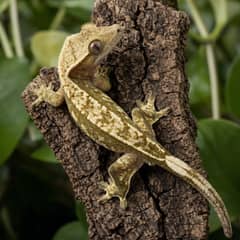
Wild crested geckos spend the day resting in thick vegetation near the forest floor, where it is cooler and less sunny, and rarely climb much higher than about 10 feet.
Source: Animal Diversity Web, University of Michigan
Overweight Geckos
Obesity is the quieter weight problem, and it is linked to fatty liver disease and to trouble with eggs. The signs:
- A round or swollen belly in a gecko that is not carrying eggs
- Fat deposits at the base of the legs or along the flanks
- Less climbing than usual
The usual cause is a high-fat diet or live insects offered too often. Cutting back on insect meals is the first fix, and the scale shows whether it is working.
Respiratory Infection
Respiratory infection comes from an enclosure that is too cold or too wet, which a digital thermometer and hygrometer shows before the gecko does. Look for open-mouth breathing, visible mucus, wheezing, and lethargy. This needs a vet the same day. It does not clear up with waiting.
Gravid Females and Infertile Eggs
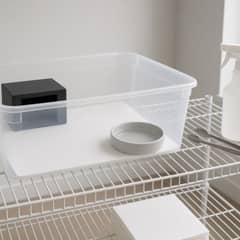
A female crested gecko does not need a male to produce eggs. Breeders wait until a female is at least 12 months old and 40 grams before pairing her, and a male until 10 months and 30 grams. A mature female kept alone can still develop and lay infertile clutches, and producing an infertile egg is harder on her than a fertile one. A laying female typically drops two eggs about once a month through the season, so any adult female needs a lay box whether or not she has ever met a male: a container with a few inches of slightly moist coconut fiber and fir bark, roughly half and half.
Each clutch draws on her calcium. Crested geckos store calcium in two small sacs on the roof of the mouth, and sacs that shrink noticeably over a season mean her reserves are running down. Keep calcium in the diet, and have a vet check her if the sacs look small.
Laid infertile eggs can simply be removed. The concern is the egg that does not come out. A gravid female may eat less but should stay bright and alert. One that stops eating, turns weak or lethargic, or strains with a swollen belly after her expected laying date may be egg-bound, and that is a vet visit the same day. Most reptiles seen by vets for egg binding are single females kept with no male, so the risk applies to every adult female. Low calcium, dehydration, wrong temperatures or humidity, and no suitable place to lay are the usual causes.
A Few Other Things to Know
- Dehydration shows up as sunken eyes and repeated stuck sheds.
- Skin and scale issues can develop from chronically high humidity combined with poor enclosure hygiene.
- Internal parasites and, less commonly, cryptosporidiosis are also on the list. Crypto in particular is serious and often difficult to treat, which is part of why a fecal exam is worth doing at your gecko's first vet visit.
- Mouth rot (stomatitis) shows as red, swollen gums, mucus or discharge from the mouth, and a gecko that stops eating. Left untreated it can spread to the bone and become fatal, so it needs a vet.
- Mites leave the skin looking coarse, cause repeated stuck sheds, and send a gecko to sit in its water dish for long stretches. Both the gecko and the enclosure need treating, so see a vet.
- Burns come from a heat bulb the gecko can touch. Keep every heat source outside the enclosure or behind a guard, and run it on a thermostat.
When to See an Exotic Vet
Reptiles hide illness until they are very sick, so act on the first sign.
| How fast | What you see |
|---|---|
| Vet today | Open-mouth breathing, wheezing or mucus. Tremors or other neurological signs. A female that stops eating, turns weak or strains with a swollen belly after her expected laying date. A burn. A gecko still limp or barely responding after it has been cooled down from overheating. |
| Vet within a few days | A soft or misshapen jaw. No stool 24 to 48 hours after a soak, or none for a week. A floppy tail. A band of stuck shed on a toe. Red, swollen gums or discharge from the mouth. Mites. Calcium sacs shrinking in a laying female. Weight that keeps dropping. |
| Watch and weigh | A small appetite dip around a shed or before laying, in a gecko that stays bright and alert. |
The vet schedule. Book a first exam within the first week of bringing a gecko home, and take a fresh stool sample in a sealed bag for the fecal test. After that, plan on a wellness exam with a fecal test once a year. If you keep other reptiles, house a new gecko away from them for 3 to 6 months.
Finding a vet. Many clinics do not see reptiles, so find one before you need it. The Association of Reptile and Amphibian Veterinarians keeps a find-a-vet directory.
A gram scale is one of the most useful tools you can own for this species. A healthy adult weighs about 35 to 55 grams, and a female runs heavier for a while when she is carrying eggs. Weigh your gecko at least monthly, more often while it is off its food: a slow loss is often the earliest sign that something's off, and the stool, urates and hydration check is the other reading worth taking alongside it.
The Scale Moves First
A crested gecko hides illness until it cannot, and the number on a gram scale changes before the jaw softens or the belly swells. By the time a sign is obvious to the eye, the scale has usually been saying so for weeks, which is why the first exam belongs in the first week, while nothing looks wrong.
Sources & Further Reading
Last reviewed 16 Nov 2026 · 8 sources
- ReptiFiles: The Ultimate Guide to Crested Gecko Care; Crested Gecko Metabolic Bone Disease (MBD); Floppy Tail Syndrome; Impaction; Crested Gecko Shedding Tips
- Merck Veterinary Manual: Nutritional, Metabolic, and Endocrine Diseases of Reptiles (Stephen J. Divers, Jessica R. Comolli); Disorders and Diseases of Reptiles (Stephen J. Divers); Parasitic Diseases of Reptiles; Management and Husbandry of Reptiles
- PetMD: Crested Gecko Care Sheet (Maria Zayas, DVM); Thermal Burns in Reptiles; External Parasites in Reptiles
- VCA Animal Hospitals: Reptiles, Dystocia; Veterinary Care for Your New Reptile
- LafeberVet: Presenting Problem, Stomatitis in Reptiles
- Chicago Exotics Animal Hospital: Crested Gecko Care
- Animal Diversity Web, University of Michigan: Rhacodactylus ciliatus (Kristin Brusso, 2013)
- Arbor View Animal Hospital: Crested Gecko, by Catherine Love DVM (PDF, downloads)

A sick crested gecko is no time to be scrolling. The Crested Gecko Care Package puts these red flags, a symptom quick reference and an emergency card on paper, in a 48-page PDF, $8.99. Includes the Universal Pet Kit free: health and medication logs you can fill in.
Frequently Asked Questions
What is the first sign of metabolic bone disease in a crested gecko?
A soft or rubbery lower jaw is often the first sign. It means a vet visit for bloodwork and x-rays before the damage reaches the limbs and spine.
What is floppy tail syndrome?
The tail drapes over the head, or sits at an odd angle to the body. It typically comes from chronic upside-down resting against glass. Because it's sometimes associated with calcium or pelvic issues, a vet visit is worth it to rule out an underlying problem.
What causes impaction in crested geckos?
Usually loose substrate like sand or bark, prey too large to pass, or shed skin left behind. Signs are no bowel movement in a week or more, a bloated abdomen, straining, and appetite loss. Solid substrate, paper towel or tile, helps prevent it in young geckos.
How often should I weigh my crested gecko?
At least monthly, logged each time, and every few days while it is off its food. Weight change is often the earliest sign something's off, well before other symptoms appear, which makes a gram scale one of the most useful tools for this species.
More on the Crested Gecko




Recommended Gear
As an Amazon Associate I earn from qualifying purchases through the links above, at no extra cost to you.

Written by Michael Ryan
Mike keeps two rescued bearded dragons, Dex and Cera, and writes the care guides on BeastlyFacts from his own research and mistakes. He is not a veterinarian.
More about Michael Ryan →You May Also Like


Subscribe - it's free
An occasional email when something new is worth your time. No spam.
Deep Dive
Health and More