Why Humidity Is Everything for Crested Geckos
On This Page▾

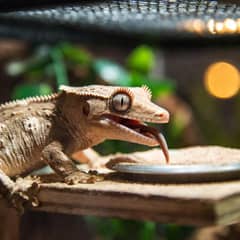
Crested geckos (Correlophus ciliatus) are native to the tropical forests of New Caledonia, where humidity regularly exceeds 70%. The pattern to copy is wet nights and drier days. A crested gecko drinks by licking droplets off leaves and glass, sheds cleanly only when its skin has been moist, and breathes best in air that moves. Humidity is where all three of those meet, which is why it is the number most new keepers get wrong.
The Target Range: 60 to 80%, With a Daily Swing
Aim for 60 to 80% relative humidity across the enclosure as the working range. PetMD's care sheet puts the ideal band at 70 to 80%, and the number that matters is not the average but the shape of the day. Humidity should spike right after the evening mist, hold high overnight, and fall through the day before you mist again. That wet-dry cycle mimics the forest and keeps mold and respiratory problems away.
What the Cycle Looks Like Over 24 Hours
| Time | Target |
|---|---|
| Right after the evening mist | 80% or higher |
| Overnight | 60 to 80% |
| Late afternoon, before the next mist | 45 to 50% |
The afternoon low is not a failure. Zen Habitats' humidity guide puts the dry-down at 45 to 50% before re-misting, and that drop is what stops mold and the bacterial or fungal infections that come with it, and lets the gecko's skin keep its water-shedding surface. An enclosure pinned at 80% around the clock is the mistake to watch for.
A Misting Schedule That Works
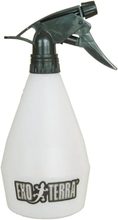
One heavy mist at lights-out does most of the job. Soak the walls, the leaves, and the substrate until droplets bead on the glass, and let the gecko drink from them after dark. If your home runs dry in winter, a humidifier for the room helps the enclosure hold humidity longer. With correct temperatures, ventilation, and substrate, you should not need to mist several times a day; if you do, something else in the setup is leaking humidity.
Substrate, Plants, and the Lid
- Mist the enclosure on the walls and plants rather than directly on the gecko.
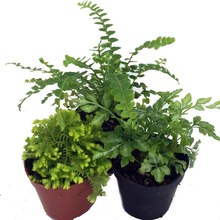
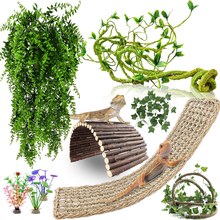
- Live or high-quality fake plants hold droplets and raise ambient humidity.
- Coconut fiber or a bio-active substrate retains moisture far better than paper towels.
- Screen tops release humidity quickly. If your enclosure dries out too fast, cover 50 to 70% of the top with glass or acrylic, but never block the vents entirely.

Monitoring Humidity
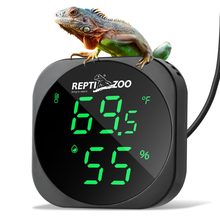
A digital hygrometer is non-negotiable. Analog dial gauges drift and read wrong in moist air. Use a digital probe, place it mid-enclosure away from the misting point, and read it twice: after the evening mist, and again in the late afternoon. Those two readings tell you whether the cycle is working.
Water
Crested geckos take most of their water from droplets, so the mist is the main water source. Keep a shallow dish anyway as a backup, and fill it with tap, filtered, or spring water. Distilled water carries no minerals and is not a good sole source.
Signs of Low Humidity
- Retained shed, especially on the toes, where a ring of old skin can constrict and cost a digit. The reptile shedding guide covers soaking it off safely.
- Wrinkled or sunken skin, sunken eyes, or skin with a dry sandpaper texture.
- Sticky saliva, reduced activity, and a gecko that stops eating.
When Humidity Runs Too High
The other failure is quieter. An enclosure that never dries grows mold on the substrate and decor, and the Merck Veterinary Manual is blunt about the next step: cutting ventilation to hold humidity "frequently causes skin and respiratory disease." Watch for mold on wood or soil, droplets that never clear between mistings, and on the gecko itself the respiratory signs Merck lists: open-mouth breathing and discharge from the nose. Either of those is a vet visit.
To bring it down, mist less rather than sealing more, unblock every vent, and add a small fan across the top if the air is stagnant. Then read the hygrometer again the next afternoon.
Keep it wet at night, let it dry by day, and your crested gecko will pay you back with years of flappy-footed company.
Sources & Further Reading
Last reviewed 7 Sep 2026 · 5 sources
- Zen Habitats: Complete Humidity and Hydration Guide for Crested Geckos
- PetMD: Crested Gecko Care Sheet (Maria Zayas, DVM)
- Long Island Bird & Exotics Veterinary Clinic: Crested Gecko Care Guide
- Merck Veterinary Manual: Management and Husbandry of Reptiles
- Merck Veterinary Manual: Disorders and Diseases of Reptiles
❓ Frequently Asked Questions
What happens if humidity gets too high instead of too low?
Mold, and with it the bacterial or fungal infections and respiratory disease that follow. Mist less and open the vents rather than sealing the tank tighter. A gecko breathing with its mouth open needs a vet.
Do crested geckos need a bioactive setup for good humidity?
No, bioactive helps but isn't required. A well-planted enclosure with the right substrate and a consistent misting routine can hold proper humidity just as well; bioactive mainly reduces how often you need to intervene manually.
Do live plants help maintain humidity better than fake plants?
Yes, to a meaningful degree. Live plants continuously release moisture through transpiration and their soil holds humidity longer than bare substrate, which smooths out the swings between mistings. Quality fake plants still hold surface moisture fine, just without that extra ongoing contribution.
Can I rely on an automatic mister alone?
For most keepers, yes, once it's dialed in correctly. Automatic mist systems remove the inconsistency of manual spraying. Check readings with a hygrometer for the first few weeks to confirm the timer settings are hitting your target range.
Is a hygrometer necessary for a small enclosure?
Yes. You cannot see humidity, and a dial gauge lies in wet air. A digital probe tells you whether the evening spike and the afternoon dry-down both happened, which is the whole point of the cycle.
📰 More on the Crested Gecko
📘 Crested Gecko care guide
🦎 How Much Does a Crested Gecko Really Cost?
🦎 How to Handle a Crested Gecko (And Why Tail Loss Is Different Here)
🦎 Common Crested Gecko Health Issues and What Causes Them
🦎 Crested Gecko Tank Setup: Vertical Space, Humidity, and a Hard Temperature Ceiling
🦎 Crested Gecko Enrichment: Vertical Space, Cover, and Foraging
🛒 Recommended Gear
As an Amazon Associate, we earn from qualifying purchases through the links above - at no extra cost to you.
Written by Michael Ryan
Mike keeps two rescued bearded dragons, Dex and Cera, and writes the care guides on BeastlyFacts from his own research and mistakes. He is not a veterinarian.
More about Michael Ryan →Comments
No comments yet - be the first!