Brumation in Pet Snakes: How to Safely Cool Down Ball Pythons and Corn Snakes
On This Page▾

Brumation gets mentioned constantly in reptile-keeping circles, but a lot of that conversation blurs together two very different situations: a wild instinct that shows up naturally in captivity, and a deliberate cooling protocol breeders use on purpose. Most pet-only keepers only need to understand the first one. Our guides to Ball Python and Corn Snake care cover the rest of their year-round husbandry.
What Brumation Actually Is
Brumation is the reptile version of a seasonal slowdown tied to temperature and daylight changes - reduced activity, reduced appetite, and reduced metabolic rate. It's biologically distinct from mammalian hibernation: a brumating snake isn't in the same deep, unresponsive state, and it remains capable of waking up and moving, occasionally surfacing to drink even during a cooling period.
Do You Actually Need to Brumate Your Snake?
For the vast majority of pet-only keepers, no. Brumation is primarily a breeder's tool used to trigger reproductive cycling ahead of a planned pairing. A snake kept purely as a pet, at consistent appropriate temperatures year-round, doesn't need to go through it. That said, many snakes - ball pythons especially - show a natural seasonal dip in appetite from roughly October through March even without any deliberate cooling, which is a completely normal pattern covered in more detail in our ball python feeding guide.
Wild ball pythons in parts of West Africa experience relatively modest seasonal temperature swings compared to species from more temperate climates, which is one reason their captive "brumation" behavior often looks more like a mild appetite dip than a dramatic seasonal shutdown.
If You're Planning to Brumate for Breeding
| Step | Guideline |
|---|---|
| Pre-brumation fast | Stop feeding 1-2 weeks before cooling begins to allow full digestion |
| Cooling schedule | Lower temperatures gradually over 1-2 weeks, not suddenly |
| Duration | Typically 60-90 days at reduced temperatures, species-dependent |
| Water access | Always available throughout, even at reduced temperatures |
| Weight monitoring | Weigh before starting and periodically throughout |
Only healthy, appropriately weighted snakes with a clean bill of health from a reptile vet should be brumated. Cooling down an underweight or parasite-carrying snake adds real risk on top of an already stressful process.
Warning Signs to Abort
Excessive weight loss beyond the expected range, any signs of respiratory illness (wheezing, mucus, open-mouth breathing), or lethargy well beyond the expected seasonal slowdown are all reasons to warm the enclosure back up and stop the process. Brumation should never be pushed through in the face of these signs.
Bringing Them Back Out
Raise temperatures gradually over a similar timeframe to how they were lowered, rather than jumping straight back to normal husbandry temperatures overnight. Offer the first post-brumation meal only once the snake has been back at normal temperatures for several days and is showing normal activity and alertness.
❓ Frequently Asked Questions
Do pet snakes need to brumate if I'm not breeding them?
No. Brumation is primarily relevant for triggering reproductive cycling in breeding programs. A pet-only snake kept at stable, appropriate temperatures year-round doesn't need deliberate brumation, though many snakes naturally show reduced appetite and activity in cooler months regardless.
How is brumation different from hibernation?
Hibernating mammals enter a deep, largely unresponsive state with dramatically reduced metabolic function. Brumating reptiles slow down significantly but remain capable of waking and moving if disturbed, and may surface briefly to drink even during the cooling period.
How much weight loss during brumation is safe?
Most breeders consider up to roughly 10% of body weight an acceptable range over a full brumation cycle, though this varies by individual and species. Weighing the snake before starting and checking periodically during the cooling period is the standard way to monitor this.
Can brumating my snake go wrong?
Yes - cooling an unhealthy, underweight, or parasite-carrying snake can be genuinely dangerous, which is why a vet check and a proper pre-brumation fast are standard practice beforehand. Warning signs to abort include excessive weight loss, respiratory symptoms, or lethargy beyond the expected slowdown.
How long should I fast my snake before starting brumation?
Most keepers stop feeding 1 to 2 weeks before cooling begins, giving the snake enough time to fully digest its last meal. Cooling down with undigested food in the gut risks it rotting internally, since digestion slows dramatically along with everything else.
🐍 How Much Does a Ball Python Really Cost?
🐍 How Much Does a Corn Snake Really Cost?
🐍 How to Handle a Ball Python: Timing Matters More Than Technique
🐍 How to Handle a Corn Snake
🐍 Common Ball Python Health Issues and What Causes Them
🐍 Common Corn Snake Health Issues and What Causes Them
🐍 Ball Python Tank Setup: Humidity Is the Detail That Makes or Breaks It
🐍 Corn Snake Tank Setup: Floor Space, a Mandatory Thermostat, and a Humidity Debate
🐍 Corn Snake Feeding: Schedule, Diet, and Why They Stop Eating
🐍 10 Surprising Ball Python Facts
🐍 Ball Python Enrichment: What 35 Snakes in a Study Actually Showed
🐍 Corn Snake Enrichment: The Species With the Most Research Behind It
🐍 Is It Legal to Own a Ball Python? State-by-State Guide
🐍 Is It Legal to Own a Corn Snake? State-by-State Guide
🛒 Recommended Gear
As an Amazon Associate, we earn from qualifying purchases through the links above - at no extra cost to you.
Written by Michael Ryan
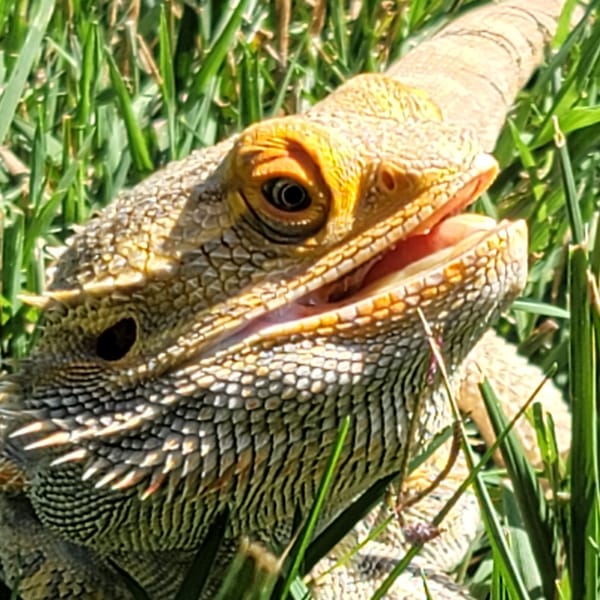
Mike keeps two rescued bearded dragons, Dex and Cera, and writes the care guides on BeastlyFacts from his own research and mistakes. He is not a veterinarian.
More about Michael Ryan →Comments
No comments yet - be the first!