Crested Gecko
Correlophus ciliatus
On This Page▾
🌍 Overview
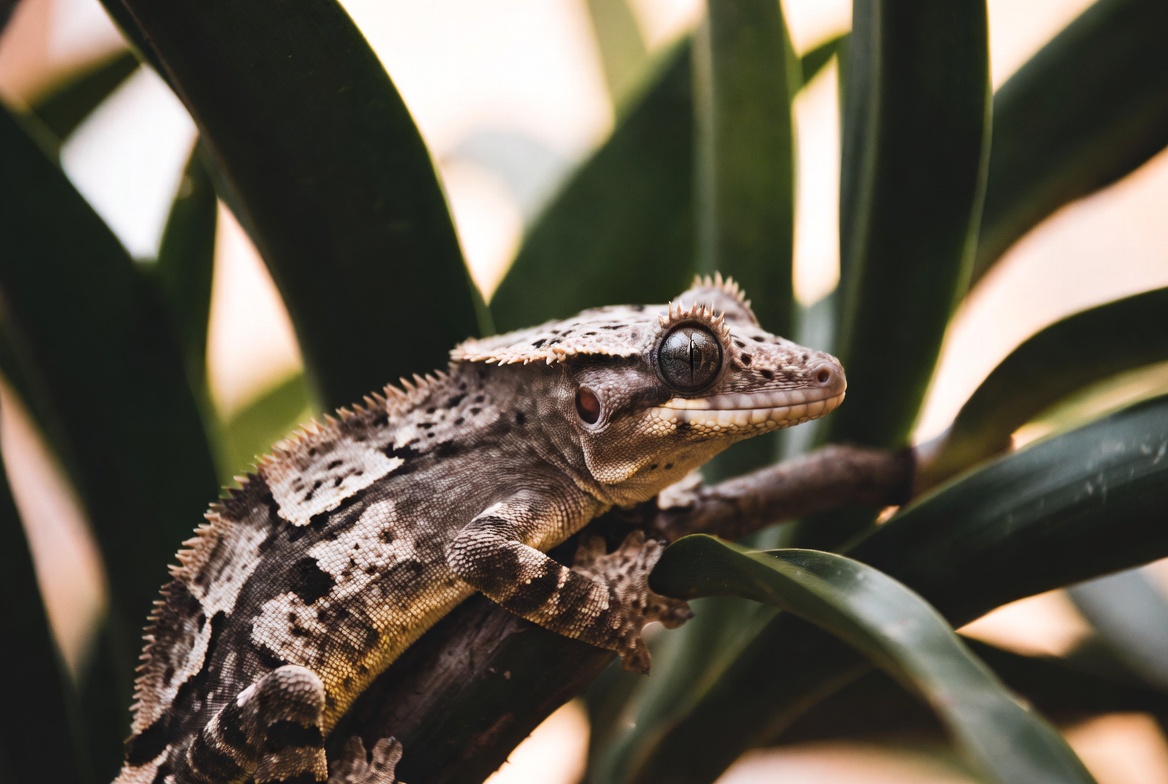
Native to New Caledonia's southern islands, the crested gecko was thought extinct until rediscovered in 1994. These arboreal geckos have specialized toe pads and a prehensile tail that helps them navigate forest canopies. Their eyelash-like crests and vibrant color morphs have made them one of the most popular reptile pets worldwide.
📋 Quick Facts
Native Range
New Caledonia (South Pacific islands)
Natural Habitat
Tropical rainforest canopy and understory
Adult Size
7-9 inches (18-23 cm) including tail
Wild Diet
Fruit, nectar, pollen, and small invertebrates
Wild Lifespan
Not documented (the widely quoted 10-20 years is a captive range; wild longevity for this species has not been studied)
Conservation Status
Vulnerable (IUCN)
📜 History
The crested gecko was considered extinct for much of the twentieth century. It was rediscovered in 1994 on a private expedition by Robert Seipp and Friedrich Wilhelm Henkel, after a tropical cyclone that year led to a sighting on the Isle of Pines, and a small number of animals were exported for study before New Caledonia stopped issuing permits. Every crested gecko in the hobby descends from those few founders, bred out through separate lines in Europe and the United States. The species turned out to breed readily in a terrarium, which closed off the pressure to keep collecting more.
⚖️ Compare
Crested Gecko
Human
Adult Size
7-9 inches (18-23 cm) including tail
5-6 feet (150-185 cm); ~135-200 lbs
Wild Lifespan
Not documented (the widely quoted 10-20 years is a captive range; wild longevity for this species has not been studied)
~73 years (global average)
Wild Diet
Fruit, nectar, pollen, and small invertebrates
Omnivorous - eats just about anything
Native Range
New Caledonia (South Pacific islands)
Global - originated in Africa roughly 300,000 years ago
Natural Habitat
Tropical rainforest canopy and understory
Everywhere from arctic tundra to tropical megacities
Conservation Status
Vulnerable (IUCN)
Least Concern (8+ billion and counting)
🧠 Test Yourself
What's the Crested Gecko's native range?
🤩 Fun Facts
🦎 Gecko Toe Magic
Geckos can walk on walls and ceilings thanks to millions of tiny hair-like structures on their toes called setae. Each foot has about 500,000 of them, using molecular forces to stick to surfaces!
🦎 Rediscovered in 1994
Crested geckos were thought to be extinct until they were rediscovered in 1994 in New Caledonia! They're now one of the most popular gecko species in the hobby.
🦎 Climbing the Walls
Geckos have microscopic hairs on their feet that allow them to stick to surfaces and even run on ceilings! This amazing ability comes from van der Waals forces, making them one of nature's great climbers.
📖 Care Guide
Crested Gecko Care Guide
The velvety, fan-fringed gecko that needs no heat lamp!
⚖️ Where it is legal
7 US jurisdictions restrict this species, from outright bans to permits. Every one quotes the rule it comes from.
⚖️ Legal Guide
Subscribe - it's free
New animal facts and care guides straight to your inbox. No spam. 🐾
📰 Deep Dive
🦎 How Much Does a Crested Gecko Really Cost?
🦎 How to Handle a Crested Gecko (And Why Tail Loss Is Different Here)
🦎 Common Crested Gecko Health Issues and What Causes Them
🦎 Crested Gecko Tank Setup: Vertical Space, Humidity, and a Hard Temperature Ceiling
🦎 Crested Gecko Feeding: Schedule, Diet, and Why They Stop Eating
🦎 Crested Gecko Enrichment: Vertical Space, Cover, and Foraging
🩺 Health and More
💡 T5 vs Compact UVB: Which One Won't Fail Your Reptile
🔌 Reptile Emergency Plan: Power Outages, Travel, and Pet Sitters
💧 Reading Reptile Stool, Urates, and Hydration: A Daily Health Check
🧼 Salmonella and Reptile Hygiene: The Rules That Actually Matter
🌡️ Reptile Heating and Thermostats: Preventing Burns
🧫 Reptile Quarantine: Why New Snakes and Lizards Need Months, Not Weeks
🤓 Did You Know?
Crested geckos were thought to be extinct until rediscovered in 1994 during a tropical storm in New Caledonia!
Explore More