Degu vs. Chinchilla: Which Long-Lived Rodent Fits Your Schedule
On This Page▾

Both are South American rodents known for living unusually long lives and needing a dust bath instead of water, which makes them easy to lump together. The differences come down to when each one is actually awake, how sensitive one of them is to sugar, and just how much longer the other one lives.
The Comparison
| Degu | Chinchilla | |
|---|---|---|
| Activity pattern | Diurnal, active during the day | Nocturnal to crepuscular |
| Sugar/diabetes sensitivity | Extreme, genetic intolerance | Lower, but still low-sugar diet |
| Dust bath needed | Yes | Yes |
| Social needs | Highly social, best in pairs | Benefits from company, less critical |
| Adult size | ~10-12 in incl. tail, 6-11 oz | ~14-19 in incl. tail, 1-1.5 lb |
| Lifespan | 5-9 years | 10-20 years |
| Vocalizations | Wide range, well studied | Fewer, quieter sounds |
| Best seen during | Daytime | Evening and night |
One Is Awake When You Are
Degus are genuinely unusual among small pet rodents for being diurnal, most active from morning through early evening, so there's a real chance of watching one out and busy during a normal day. Chinchillas run on the opposite schedule, nocturnal to crepuscular, mostly asleep during the day and active once evening comes. If you specifically want a small pet you can watch being active during normal waking hours, that alone tends to settle the decision.
Choose a Degu if you want a small pet that's active during the day rather than at night. Just take the sugar restriction seriously, degus have a real genetic intolerance to sugar, and fruit or other sugary treats that are fine for many small pets can push a degu toward diabetes.
Sugar Sensitivity Isn't a Minor Detail for a Degu
This is a sharper distinction than most small-pet diet differences. Degus have a documented genetic intolerance to sugar and are highly prone to diabetes, so fruit, honey, seeds, and other sugary items need to be avoided almost entirely rather than offered as an occasional treat. Chinchillas don't carry that same acute sensitivity, though a hay-heavy, low-sugar diet is still the right baseline for both species.
Degus are one of the more vocal small pet rodents, with researchers documenting a wide range of distinct calls used for different social situations, enough that degu vocalizations have become a genuine subject of bioacoustics research. Chinchillas communicate too, but with a smaller, quieter vocal range that most owners barely notice day to day.
Dust Baths Are the One Real Similarity
Both species need the same unusual grooming routine: fur too dense to dry out properly if it gets wet, so both rely on regular access to volcanic dust for bathing rather than water. It's one of the few care routines that genuinely carries over unchanged between the two.
Social Needs Are Both Real, but Not Equal
Degus are colonial animals in the wild, and that social need carries over strongly into captivity: isolated degus are at real, documented risk of loneliness, depression, and self-harming behaviors like overgrooming, which is why pairs sharing a proper hideout are strongly recommended. Chinchillas can also benefit from a companion and often do well paired, but the welfare consequences of keeping one alone are less severe than they are for a degu.
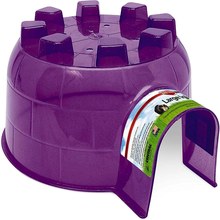
A Chinchilla is the better fit if a much longer lifespan and a quieter, lower-stakes solo-housing option matter more to you. In exchange, you'll be working around a nocturnal schedule rather than a daytime-active one.
The Lifespan Gap Is the Biggest Factor
A degu typically lives 5 to 8 years in captivity. A chinchilla commonly lives 10 to 20 years, roughly double, making it one of the longest-lived rodents in the pet trade. That's worth weighing as seriously as activity pattern or diet when deciding between the two.
Bottom Line
Pick a degu if you want a genuinely daytime-active small pet and can commit to a same-sex pair and a strict low-sugar diet. Pick a chinchilla if a much longer lifespan matters more to you and you're fine working around a nocturnal schedule. Both need dust baths instead of water, that part of the routine is identical either way. The degu and chinchilla encyclopedia profiles cover the shared Chilean origins behind the dust bath.
Sources & Further Reading
Last reviewed 15 Sep 2026 · 3 sources
❓ Frequently Asked Questions
Is a degu or a chinchilla awake during the day?
A degu, in most cases. Degus are unusual among pet rodents for being diurnal, most active from morning through early evening, which means an owner is likely to see one out and active. Chinchillas are nocturnal to crepuscular, spending most of the day asleep and becoming active in the evening and overnight.
Can degus eat the same treats as chinchillas?
No, and this matters more than it sounds. Degus have a genetic intolerance to sugar and are highly prone to diabetes, so fruit, honey, and other sugary treats that are an occasional fine indulgence for many small pets need to be avoided almost entirely. Chinchillas don't share that same acute sugar sensitivity, though both species still do best on a hay-heavy, low-sugar diet overall.
Do degus and chinchillas both need dust baths?
Yes, this is one of the genuine similarities between the two. Both species have fur too dense to dry properly if it gets wet with water, so both need regular access to volcanic dust for bathing rather than a water bath.
Which lives longer, a degu or a chinchilla?
Chinchillas, by a wide margin. A degu typically gets 5 to 8 years in captivity and a chinchilla 10 to 20, roughly double, which makes the chinchilla one of the longest-lived rodents in the pet trade.
Which is more social, a degu or a chinchilla?
Degus have the more clearly documented need for company: they're colonial in the wild and are best kept in pairs, with isolated degus at real risk of loneliness, depression, and self-harming behaviors like overgrooming. Chinchillas can also benefit from a companion, but the welfare stakes of housing one alone are less severe than they are for a degu.
🐭 How Much Does a Chinchilla Really Cost?
🐿️ How Much Does Degu Ownership Really Cost?
🐭 How to Handle a Chinchilla (And What Fur Slip Actually Means)
🐿️ How to Handle a Degu (And Why It Needs a Friend)
🐭 Common Chinchilla Health Issues (Heat Is the Hidden Danger)
🐿️ Common Degu Health Issues (Diabetes Is the One to Really Understand)
🐭 Chinchilla Housing: Dust Baths, Not Water, and a Cool Room
🐿️ Degu Enclosure Setup: Tall, Solid, and Genuinely Cool
🐹 Chinchilla Feeding: Schedule, Diet, and Why They Stop Eating
🐭 Chinchilla Enrichment: Fur Chewing Dropped With the Right Floor
🐹 Degu Enrichment: The Dust Bath Is a Message Board
🐭 Is It Legal to Own a Chinchilla? State-by-State Guide
🐹 Is It Legal to Own a Degu? State-by-State Guide
🛒 Recommended Gear
As an Amazon Associate, we earn from qualifying purchases through the links above - at no extra cost to you.
Written by Michael Ryan
Mike kept a chinchilla for a stretch. The dust bath and heat advice here is lived.
Mike keeps two rescued bearded dragons, Dex and Cera, and writes the care guides on BeastlyFacts from his own research and mistakes. He is not a veterinarian.
More about Michael Ryan →Comments
No comments yet - be the first!