Chinchilla Enrichment: Rocks, Dust and Something to Chew
On This Page▾

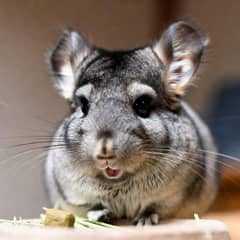
Wild chinchillas live high in the Andes of northern Chile, on barren, rocky mountain slopes about 9,800 to 16,400 feet up. They shelter in rock crevices and holes, live in colonies, and come out mostly at dusk and through the night. They are built for leaping, with long, muscular hind legs, and they bound from rock to rock with ease, clearing gaps of about six feet. They graze on grasses, shrubs and seeds, and they keep their dense coats clean by rolling in fine dust.
Give a pet chinchilla what that life is built around: solid ground and ledges to leap between, a dust bath, crevices to hide in, things to chew, room to run, and company.
Solid Floors and Ledges
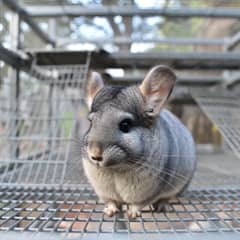
Start with the floor. Long periods on wire mesh damage a chinchilla's feet, and fur chewing drops when chinchillas live on solid floors with litter.
- Cover at least a quarter of any wire floor with solid material, and ideally all of it.
- Fit solid shelves and platforms at several heights, so the chinchilla can leap from one to the next.
- Break up the height so there is no uninterrupted drop of more than about 2 feet.
- Add sturdy branches between levels for climbing.
- Move a ledge or a branch every couple of weeks, so the routes change.
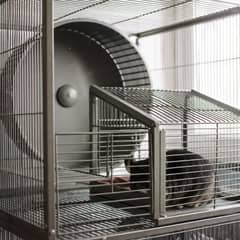
A tall, multi-level cage with ramps and shelves gives a jumper the most to do.
A Dust Bath
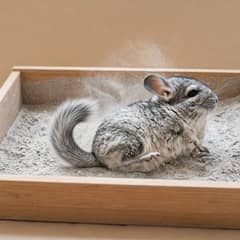
Dust bathing is how a chinchilla keeps its skin and fur healthy, and pet chinchilla dust is close to the fine ash wild chinchillas roll in. Set a dust bath house with about 2 inches of chinchilla dust in the cage a few times a week, or daily, for 10 to 15 minutes. Then take it out and sieve it. Watching a chinchilla roll and flip in the dust is one of the best parts of keeping one, but more is not better: too much dust bathing irritates the eyes.
Things to Chew
A chinchilla's teeth never stop growing, so chewing is daily maintenance as well as entertainment. Keep a mix in the cage and rotate it:
- Branches and sticks of safe wood, such as apple, birch, hazelnut, pear and willow, never cedar, cherry, plum or redwood
- Wooden parrot toys and wooden chew blocks
- Mineral and lava chews or pumice
- Plain cardboard boxes and tubes
- Rope toys made for small animals
Skip plastic toys, which get chewed and swallowed.
Crevices to Hide In
Wild chinchillas shelter in rock crevices, and a pet needs the same retreat. Give each chinchilla at least one hide of its own, on different levels:
- Sturdy cardboard boxes with a door cut in, replaced as they get chewed
- A wooden nest box stuffed with hay, which doubles as a snack
Food to Forage
Wild chinchillas spend their active hours grazing. Hay is the foundation of the diet, so make finding it part of the fun:
- Stuff hay into cardboard tubes and paper bags.
- Tuck hay into a hide or a hanging rack at a different level each day.
- Hide a dried applewood stick or a single small treat inside a hay-stuffed box.
Keep treats to a small share of the diet.
A Wheel and Playtime
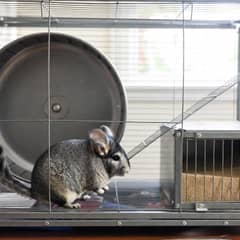
Chinchillas are built for running and jumping, and a cage cannot hold all of it. Add a chinchilla wheel at least 15 inches across with a smooth, solid surface. Saucer-style wheels are easier on the back and legs. Never use a wheel with holes, rungs or a rough surface.
Give at least 30 minutes of supervised play out of the cage every day:
- Use a room you can close off, and block gaps behind furniture.
- Move electrical cables out of reach.
- Take out anything small enough to chew or swallow.
- Sit on the floor and let the chinchilla explore, leap on and off you, and come back on its own.
A cardboard box maze or a low platform to jump on keeps the session busy.
Company
Chinchillas are social, and wild chinchillas live in colonies. Welfare guidance is to keep one with at least one other friendly chinchilla unless a vet or behaviorist advises otherwise. A bonded pair grooms, plays and sleeps together in ways a single chinchilla cannot. Introductions between adults need care, since chinchillas can be aggressive when they first meet and a fight can end in injury.
A Quiet Day and a Cool Room
Chinchillas sleep through the day and need about 12 hours of darkness, so keep the cage in a quiet room where nobody wakes them. Keep that room cool, since chinchillas overheat easily. Fur chewing, barking, hiding or repetitive movements are signs of stress, and they mean the setup needs more of the things above.
Building a Mountainside Indoors
A chinchilla's world is rock, dust and the night. Give it solid ledges to leap between, a regular dust bath, crevices to hide in and plenty to chew, plus time out of the cage with you. Most of the enrichment then happens in the evening, when a chinchilla is at its busiest.
Sources & Further Reading
Last reviewed 15 Nov 2026 · 6 sources
- Animal Diversity Web: Chinchilla lanigera; Chinchillidae
- Merck Veterinary Manual: Providing a Home for a Chinchilla; Chinchillas (professional version)
- RSPCA: Chinchilla Environment; Chinchilla Behaviour; Keeping Chinchillas Together
- LafeberVet: Basic Information Sheet, Chinchilla
- The effects of age, size and cage complexity on the behaviour of farmed female chinchillas. Scientific Reports (2023)
- San Diego Zoo Wildlife Alliance: Chinchilla
Frequently Asked Questions
What is the single best enrichment change for a chinchilla?
Fix the floor. Solid floors with litter suit a chinchilla's feet and its scratching and dust bathing, and fur chewing drops on solid floors. If the cage has wire floors, cover at least a quarter of them, and ideally all.
Is dust bathing optional?
No. The dust cleans the coat and keeps the skin healthy, and water cannot replace it: a wet chinchilla's dense fur dries slowly and the skin can become inflamed.
How often should a chinchilla get a dust bath?
Anywhere from a few times a week to daily, in sessions of 10 to 15 minutes. More is not better, because the dust can irritate the eyes.
Do chinchillas need a wheel?
A large one with a smooth, solid surface, at least 15 inches across. Wheels with holes, rungs or rough surfaces catch feet, and saucer-style wheels are easier on the back and legs.
How much time out of the cage does a chinchilla need?
At least 30 minutes of supervised play a day, in a room checked for cables, gaps and anything small enough to chew or swallow.
Should chinchillas be kept in pairs?
They are social, and welfare guidance is to keep one with at least one other friendly chinchilla. Introductions between adults need care, and a solitary chinchilla needs much more of your time.
More on the Chinchilla

Recommended Gear
As an Amazon Associate I earn from qualifying purchases through the links above, at no extra cost to you.

Written by Michael Ryan
Mike kept a chinchilla for a stretch. The dust bath and heat advice here is lived.
Mike keeps two rescued bearded dragons, Dex and Cera, and writes the care guides on BeastlyFacts from his own research and mistakes. He is not a veterinarian.
More about Michael Ryan →You May Also Like



Subscribe - it's free
An occasional email when something new is worth your time. No spam.
Health and More