How Much Does a Chinchilla Cost?
On This Page▾

Chinchillas are a long-term commitment, both in years and in the setup they need. The animal itself is not the expensive part. The cage, the exercise wheel and keeping the room cool are where the budget goes.
Upfront Setup: $355 to $860
A proper setup costs more than a lot of first-time owners expect, mostly because of the cage and the exercise wheel.
| Item | Cost Range |
|---|---|
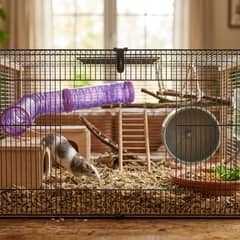
| Multi-level cage with solid floors | $150 - $400 |
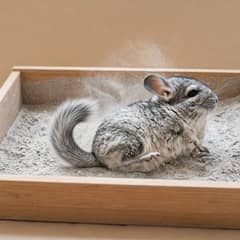
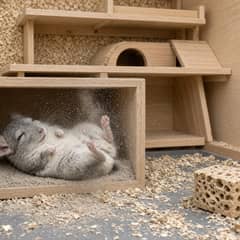
| Dust bath house (plus dust) | $15 - $50 |
| Exercise wheel (15" or larger) | $30 - $120 |
| Ledges, hides, a water bottle, a dish, chews and bedding | $75 - $150 |
| Digital thermometer and hygrometer | $10 - $20 |
| First supply of grass hay | $15 - $30 |
| First bag of plain chinchilla pellets | $10 - $20 |
| Kitchen scale that reads in grams for the weekly weigh-in | $5 - $20 |
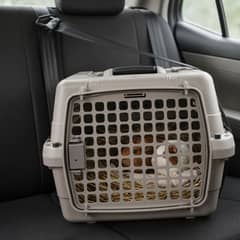
| Ventilated, hard-sided carrier for vet visits | $45 - $50 |
| Setup total | $355 - $860 |
Typical price ranges across retailers.
That is before the chinchilla itself, which runs $75 to $700 depending on whether you adopt or buy from a breeder.
Ongoing Costs: Roughly $45 to $85 a Month
| Item | Monthly Cost |
|---|---|
| Pellets and hay | $15 - $25 |
| Dust: a new bag every 2 to 3 months at $10 to $20 a bag, spread across the months | $5 - $10 |
| Bedding, chews, and toys | $20 - $40 |
| Exotic vet checkup, once a year at $50 to $100 or more, spread across the months | $5 - $10 |
| Monthly total | $45 - $85 |
Typical price ranges across retailers.
Spend on quality in the bedding-and-chews line. Unscented paper bedding and a sturdy hideout or ceramic dish hold up for years instead of needing frequent replacement.
Rescue or Breeder: What to Check Before Paying
Rescues are a mainstream source, alongside private sellers, hobby breeders and professional breeders. The price gap is mostly the breeder's color premium. Run the same checks wherever the animal comes from:
- Eyes, ears and nose. Eyes bright and clear, not watery, with no discharge from any of the three.
- Teeth and chin. The upper and lower incisors should meet evenly when the mouth is closed. Wet fur around the mouth or chin points to dental trouble, the most expensive long-term problem this species has.
- Coat and skin. No wounds and no bare patches.
- Age. Kits are weaned at 4 to 8 weeks. A seller offering one younger than 8 weeks may be selling it before it is fully weaned.
- Temperament. A chinchilla that cries and struggles when lifted has not been handled much. It can still settle, but plan on a few weeks of daily gentle handling.
- Paperwork. Ask whether the animal can be returned if it turns out to be sick, and book a vet exam with a parasite test before it comes home. Put that visit in the setup budget.
Budgeting for Two
Chinchillas are social, so keep one with at least one other friendly chinchilla unless a vet or behaviorist advises otherwise. A second chinchilla doubles the hay, pellets and dust, and adds vet bills. It does not double the cage: one needs about 2 by 2 by 4 feet and a pair about 3 by 2 by 5 feet. Females are usually the larger sex, so size the cage for the bigger animal.
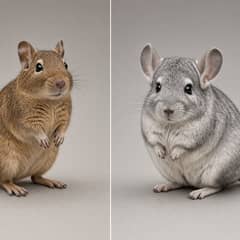
Adults weigh about 1 to 1.5 pounds and run up to 10 inches long, plus a tail of about 6 inches. They are small animals with a big need for space, since they climb and jump through every level of the cage.
Vet Visits Over a Lifetime
Budget for more than one visit a year:
- The first exam, with a parasite test, before or right after the chinchilla comes home.
- An annual checkup with an exotic vet. The Association of Exotic Mammal Veterinarians keeps a find-a-vet directory of vets with an interest in small mammals.
- Fur ring checks for males, at least four times a year.
- Senior care: yearly bloodwork from around age 6 or 7, and exams every six months once a chinchilla passes 7.
Dental disease is the problem most likely to need repeat visits, since it tends to recur once it starts, and the annual checkup is where it gets caught early.
The Cost People Don't Factor In: Keeping the Room Cool
The dense coat that suits a chinchilla to the cold, high Andes makes it highly heat-sensitive indoors. A chinchilla can overheat in a room that feels comfortable to a person, and temperatures above 80°F can bring on heat stroke. Depending on your climate, that can mean running air conditioning just for its room through the warm months. No pet store rings that up at checkout, but it recurs every summer.
The Long-Term Picture
Chinchillas live about 10 to 15 years on average, and some pets have reached 20. Buy a cage and wheel you are comfortable maintaining for years, since solid equipment bought once tends to cost less over that span than budget gear replaced later.
Paying for the Cage, the Wheel and a Cool Room
A chinchilla is not an expensive pet by exotic-pet standards. Its cost sits in getting the cage, the wheel and the room temperature right from the first day. Budget for those, and the monthly bill stays small.
Sources & Further Reading
Last reviewed 15 Nov 2026 · 6 sources
- Merck Veterinary Manual: Selecting a Chinchilla; Description and Physical Characteristics of Chinchillas; Routine Health Care for Chinchillas; Chinchillas (professional version)
- PetMD: Chinchilla Care Sheet
- RSPCA: Keeping Chinchillas Together
- LafeberVet: Basic Information Sheet, Chinchilla
- Pender Veterinary Centre: Caring for Your Pet Chinchilla
- Husbandry conditions and welfare state of pet chinchillas, and caretakers' perceptions of stress. Animals (2024)

Put these numbers in a budget you can fill in. The Universal Pet Kit has it, among 19 forms for any pet that you can type into or print.
Frequently Asked Questions
How much does a chinchilla cost upfront?
Plan on $355 to $860 for a complete setup: a multi-level cage with solid floors ($150 to $400 or more), a dust bath house and dust, a solid exercise wheel, a thermometer, the first hay and pellets, and extras like ledges, hides, a water bottle and bedding. The chinchilla itself is on top, at $75 to $175 from a rescue or $150 to $700 or more from a breeder.
What are the monthly costs of owning a chinchilla?
Around $45 to $85 a month covers pellets and hay, dust replacement every 2 to 3 months, bedding, chews and toys, plus an annual exotic vet checkup that averages $50 to $100 or more. Most of that is necessary upkeep rather than optional extras.
Why does a chinchilla's room need to stay cool?
Chinchillas are highly heat-sensitive. Depending on your climate, keeping their room in a safe range through the warm months can mean running air conditioning just for them, a cost no supply list shows.
Is a chinchilla an expensive pet long term?
Not by exotic-pet standards. The one-time gear is the big spend, and chinchillas can live well over a decade, so durable equipment is spread across many years.
More on the Chinchilla


Recommended Gear
As an Amazon Associate I earn from qualifying purchases through the links above, at no extra cost to you.

Written by Michael Ryan
Mike kept a chinchilla for a stretch. The dust bath and heat advice here is lived.
Mike keeps two rescued bearded dragons, Dex and Cera, and writes the care guides on BeastlyFacts from his own research and mistakes. He is not a veterinarian.
More about Michael Ryan →You May Also Like


Subscribe - it's free
An occasional email when something new is worth your time. No spam.
Deep Dive
Health and More