Common Chinchilla Health Issues (Heat Is the Hidden Danger)
On This Page▾

Chinchillas hide illness well and can decline quickly once something is wrong, which makes knowing the warning signs, and one specific environmental risk, especially important with this species.
| Health Issue | Watch For |
|---|---|
| Dental disease | Drooling, wet chin, dropped food, reduced appetite, weight loss |
| Heat stroke | Lethargy, drooling, panting, bright red mucous membranes, collapse |
| GI problems | Bloating, reduced or absent droppings, diarrhea |
| Fur chewing and barbering | Chewing or pulling at own or cage-mate's fur |
| Ringworm | Patchy skin fungus, transmissible to other animals and people |
| Fur ring (males) | Shed fur constricting around the penis, urgent |
Dental Disease
The most common chronic health issue chinchillas face. Their teeth grow continuously, and without enough coarse hay to grind them down naturally, spikes or impacted roots can develop. Watch for drooling (sometimes called "slobbers"), a wet chin, dropping food while trying to eat, reduced appetite, and weight loss.
This needs an exotic vet's oral exam, and often skull X-rays under sedation to see the full picture. Dental disease tends to be recurring and lifelong once it starts, which is exactly why prevention through unlimited grass hay matters so much, along with safe mineral chew blocks for extra wear.


Heat Stroke: The Danger Many Owners Underestimate
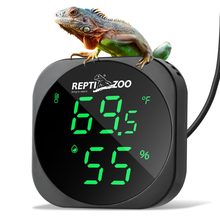
Chinchillas handle cold reasonably well but are genuinely fragile in heat. A useful rule of thumb: add the temperature in Fahrenheit to the humidity percentage, and treat anything over 150 as dangerous. So 85°F combined with 65% humidity, adding up to 150, is already in risk territory, even though neither number alone sounds extreme. A thermometer/hygrometer combo makes this an easy number to track rather than a guess.
Watch for lethargy, drooling, rapid or panting breathing, bright red mucous membranes, and collapse in severe cases. This is a genuine emergency with real risk of organ failure or death, and it can develop faster than owners expect in a room that simply isn't cool enough. Keeping the room within a safe range often carries a real cost too.
GI problems in chinchillas are frequently just downstream of a dental problem going unnoticed. The same drooling and dropped food that signal tooth trouble are also worth treating as an early warning for digestive trouble, not two unrelated issues to track separately.
GI Problems
Often secondary to dental pain, poor diet, stress, or certain antibiotics, our antibiotic-associated enterotoxemia guide has the exact drug list to raise with your vet. Look for bloating, reduced or absent droppings, and diarrhea.
Fur Chewing and Barbering
A behavioral issue, sometimes stress-related, where a chinchilla chews or pulls at its own fur or a cage-mate's. This is a different thing entirely from fur slip, the startle-response fur release.
Ringworm
A transmissible skin fungus, worth knowing about since it can spread between animals and, in some cases, to people handling an infected chinchilla.
Fur Ring (Males)
Shed fur can constrict around the penis, which is an urgent issue requiring prompt attention, not something to wait out.
When to See an Exotic Vet
See a vet promptly for drooling, changes in appetite or stool, diarrhea, any respiratory signs, or any indication of heat stress. Because chinchillas mask illness so effectively and can decline fast once symptoms become visible, err toward calling sooner rather than waiting to see if things improve on their own.
Diet drives more of this list than anything else, dental disease and GI stasis both trace back to how much unlimited hay a chinchilla is actually eating.
The Chinchilla encyclopedia profile covers the cold, dry Andean range that left this species so poorly equipped for heat.
Sources & Further Reading
Last reviewed 19 Jul 2026 · 3 sources
❓ Frequently Asked Questions
What's the most common chronic health issue in pet chinchillas?
Dental disease. Chinchilla teeth grow continuously, and without enough coarse hay to grind them down, spikes or impacted roots can develop. Watch for drooling, a wet chin, dropped food, reduced appetite, and weight loss, and expect an exotic vet's oral exam and often skull X-rays under sedation to diagnose it fully.
How do I know if my chinchilla is at risk of heat stroke?
Add the room temperature in Fahrenheit to the humidity percentage: over 150 is dangerous, and 85°F with 65% humidity already gets there. Lethargy, drooling, panting, bright red mucous membranes, and collapse in severe cases point to a genuine emergency, with real risk of organ failure or death.
Is ringworm in chinchillas contagious to humans?
Yes. Ringworm is a transmissible skin fungus that can spread between chinchillas and, in some cases, to people handling an infected animal, so it's worth knowing about even though it's primarily a husbandry-related skin issue.
When should I take my chinchilla to the vet?
Promptly, for drooling, a change in appetite or stool, diarrhea, anything respiratory, or any sign of heat stress. This species masks illness well and can go downhill fast once symptoms show, so call sooner rather than waiting it out.
📰 More on the Chinchilla
📘 Chinchilla care guide
🐭 How Much Does a Chinchilla Really Cost?
🐭 How to Handle a Chinchilla (And What Fur Slip Actually Means)
🐭 Chinchilla Housing: Dust Baths, Not Water, and a Cool Room
🐹 Chinchilla Feeding: Schedule, Diet, and Why They Stop Eating
🐭 Chinchilla Enrichment: Fur Chewing Dropped With the Right Floor
🛒 Recommended Gear
As an Amazon Associate, we earn from qualifying purchases through the links above - at no extra cost to you.
Written by Michael Ryan
Mike kept a chinchilla for a stretch. The dust bath and heat advice here is lived.
Mike keeps two rescued bearded dragons, Dex and Cera, and writes the care guides on BeastlyFacts from his own research and mistakes. He is not a veterinarian.
More about Michael Ryan →Comments
No comments yet - be the first!