How Much Does a Pet Flying Squirrel Really Cost?
On This Page▾

Flying squirrels are moderately priced to buy, but the first real decision with this species isn't financial, it's legal, and it's a different kind of legal question than most exotic pets raise.
Check Your State's Wildlife Laws First
Flying squirrels are native wildlife across most of the eastern United States, which puts them in a different legal category than an imported exotic like the sugar glider. Some states regulate native species like this one under wildlife and game law rather than standard exotic-pet rules, and the specifics genuinely vary by state, from a $2 West Virginia permit to an outright ban in Kansas. Legal status varies by state since this is native wildlife across much of its range, so check where your state stands before you commit to buying one, not after.
The sugar glider and the hedgehog both come with specific state-by-state bans because both species are non-native, so their legal status is settled exotic-pet law. A flying squirrel's legal status is more variable and tied up in wildlife regulation instead, which is exactly why it needs a direct check with your own state rather than a general rule of thumb.
The Squirrel: Roughly $200 to $450, and Realistically Two
Current listings from breeders and exotic-pet sellers run from around $200 for a single baby up to $450 or more depending on age, breeder reputation, and demand. Buying young, ideally around 6 to 8 weeks old, matters more here than with most small pets, since a flying squirrel's window for bonding closely with a keeper narrows the older it gets.
Flying squirrels and sugar gliders glide the exact same way, a furred membrane stretched from wrist to ankle, and evolved that trick completely independently. One is a true rodent, the other a marsupial, and their common ancestor didn't have anything like a gliding membrane. Researchers who mapped the genetics behind marsupial gliders found that gliding membranes evolved convergently across several unrelated mammal groups, including rodents, bats, and colugos, each landing on a similar structure through a different genetic path. It's one of the more striking cases of convergent evolution in mammals, two animals that look and move almost identically without being close relatives at all.
Here's the detail that changes your total cost immediately: flying squirrels are intensely social, denning together in groups through the winter in the wild, and a solitary pet is a genuinely stressed one. Budget for a same-sex pair or small group from the start, effectively doubling the purchase price, the same math that applies to sugar gliders.
Upfront Setup: Roughly $200 to $500 for a Pair
| Item | Cost Range |
|---|---|
| Tall aviary-style cage, 24x24x36 in minimum | $120 - $300 |
| Solid, axle-free exercise wheel (12 in) | $30 - $60 |
| Multiple sleeping pouches or a nest box | $25 - $50 |
| Branches, ropes, and climbing structure | $20 - $50 |
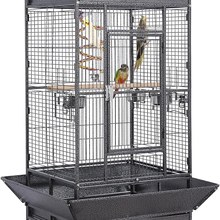

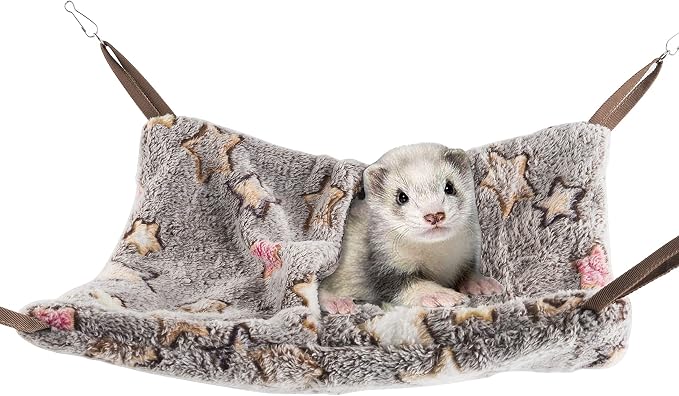

The cage and the wheel are the two line items worth not skimping on. The minimum footprint is 24x24x36 inches, or 30x18x36. Height matters far more than floor space for a climbing, gliding animal, and bigger is always better than the stated minimum. Add bedding, dishes, and a few toys, and most first-time setups land around $200 to $500 total for a pair.
Ongoing Costs: Roughly $20 to $50 a Month
| Item | Annual Cost |
|---|---|
| Rodent-block staple food | $40 - $80 |
| Fresh produce and an insect or protein source | $60 - $120 |
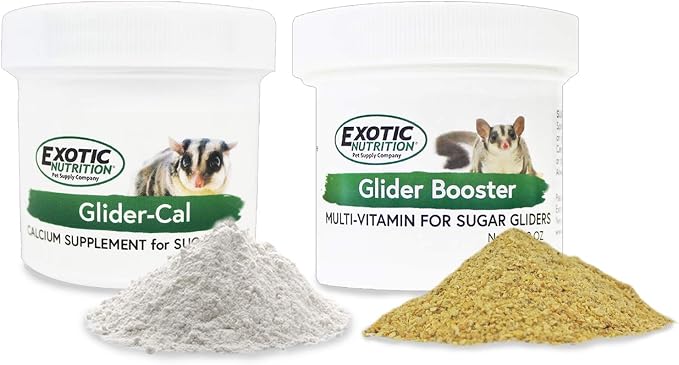
| Calcium and multivitamin supplement | $20 - $30 |
| Annual exotic vet wellness check | $75 - $150 |

Prices last checked September 2026 at PetSmart and Small Pet Select. Retail prices move; treat the table as a snapshot, not a quote.
Food, calcium supplementation, and the occasional insect or egg as a protein source make up most of the monthly total. The calcium and multivitamin line isn't optional the way it might be for a lower-maintenance pet, and it's the same underlying calcium-to-phosphorus balance that makes sugar glider nutrition so unforgiving.
Vet Costs
A routine exotic wellness exam runs roughly $75 to $150 at a small-mammal-experienced clinic, in line with published pricing at specialty exotic practices. One thing that differs from sugar gliders here: neutering isn't the routine recommendation for flying squirrels that it is for gliders. Fewer exotic vets have experience with flying squirrel surgery specifically, so most keepers manage reproduction and behavior through same-sex housing instead. Budget extra for the unexpected, a diet-related emergency like metabolic bone disease needs immediate attention, not a wait-and-see approach.
Lifespan
3 to 6 years is typical in the wild, university and wildlife sources vary slightly within that range, but captive individuals with consistent care average closer to 10 years, and well-documented pets have lived past 19. That's a meaningfully longer commitment than most people expect from an animal this small, and combined with the pair requirement and the state-by-state legal question, it's worth treating as a considered decision rather than an impulse buy.
The Flying Squirrel encyclopedia profile has the wild background, including how this species compares to the unrelated but strikingly similar sugar glider. It also shows up alongside the fancy rat and fancy mouse in our roundup of Three Small Mammals That Get Dismissed as Just Rodents.
Sources & Further Reading
Last reviewed 15 Sep 2026 · 5 sources
- Glaucomys volans (southern flying squirrel), Animal Diversity Web
- Flying squirrels For Sale, Exotic Animals For Sale
- Exam Pricing for COEAH, Colorado Exotic Animal Hospital
- Emx2 underlies the development and evolution of marsupial gliding membranes, Nature
- Overview of Rodents, Merck Veterinary Manual
❓ Frequently Asked Questions
How much does a pet flying squirrel cost to buy?
Current listings from breeders and exotic-pet sellers run roughly $200 to $450 for a hand-raised baby, with some going higher depending on age, breeder reputation, and demand. Because flying squirrels are deeply social and shouldn't be kept alone, budget for two from the start, which roughly doubles this line item.
Is it legal to own a pet flying squirrel?
It depends on your state. Unlike sugar gliders, flying squirrels are native wildlife across much of the eastern US, so several states regulate them under wildlife and game law rather than standard exotic-pet rules, and the specifics vary by state. Check your state wildlife agency before acquiring one, not after.
What does a flying squirrel setup cost upfront?
Roughly $200 to $500 for a pair, covering a tall, vertically-oriented cage ($120 to $300), a solid axle-free wheel, multiple sleeping pouches or a nest box, and climbing branches or ropes. Most first-year totals, squirrels plus setup, land somewhere in the $500 to $1,000-plus range.
How much does it cost to feed and maintain flying squirrels per month?
Roughly $20 to $50 a month for a pair, covering a rodent-block staple, fresh produce, an occasional protein or insect component, and calcium and multivitamin supplementation. That last part isn't optional, it's the main thing standing between a healthy squirrel and metabolic bone disease.
How long do flying squirrels live, and how does that affect budgeting?
3 to 6 years is typical in the wild, but captive individuals with good care commonly average around 10 years, and well-documented pets have lived past 19. Combined with the pair requirement and the state-by-state legal question, this is a genuine decade-plus commitment worth treating as a considered decision.
📰 More on the Flying Squirrel
📘 Flying Squirrel care guide
🐿️ How to Handle a Flying Squirrel (Bonding Starts in the Pouch, Not Your Hands)
🐿️ Common Flying Squirrel Health Issues (Diet Drives Almost Everything)
🐿️ Flying Squirrel Cage Setup: Tall, Not Wide
🐿️ Flying Squirrel Feeding: Diet, Schedule, and the Calcium Ratio That Prevents Paralysis
🐿️ Flying Squirrel Enrichment: A Rodent That Solved the Same Problem
🛒 Recommended Gear
As an Amazon Associate, we earn from qualifying purchases through the links above - at no extra cost to you.
Written by Michael Ryan
Mike keeps two rescued bearded dragons, Dex and Cera, and writes the care guides on BeastlyFacts from his own research and mistakes. He is not a veterinarian.
More about Michael Ryan →Comments
No comments yet - be the first!