How Much Does a Degu Cost?
On This Page▾

Degus are cheap to buy one at a time. Nobody should buy one at a time, though, and that changes every line of the budget.
The Degu: $10 to $50 Each
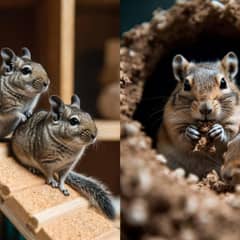
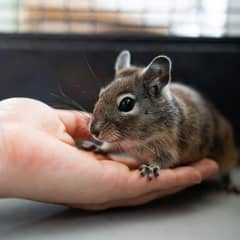
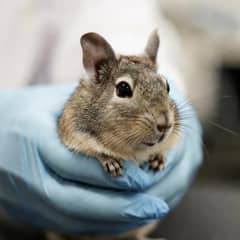
Whether from a breeder, pet store, or rescue, individual degus run $10 to $50, with adoption fees often landing at the lower end. Degus are obligately social, living in small family groups in the wild, so plan on at least a same-sex pair from day one. Two degus at $10 to $50 each is the starting line, not the single-animal price tag most first-time buyers plan around. Keep pairs or small groups, and never a degu alone unless a vet advises it.
Budget time as well as money. Degus need a lot of daily attention, from handling and playtime to an evening check of the cage, which makes them a bigger commitment than their price suggests.
Upfront Setup: $445 to $730
| Item | Cost Range |
|---|---|
| Tall multi-level cage, 28 by 18 in of floor at minimum for a pair, at least 35 in tall | $280 - $375 |
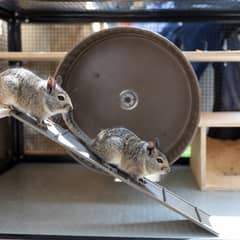
| 12-14 in solid exercise wheel | $30 - $75 |
| Dust bath house | $15 - $30 |
| Hideouts and tunnels | $5 - $30 |
| Water bottle and food dishes | $5 - $15 |
| Digital thermometer | $10 - $35 |
| Paper-based bedding | $15 - $30 |
| First supply of grass hay | $15 - $30 |
| Mineral or lava chew blocks | $10 - $20 |
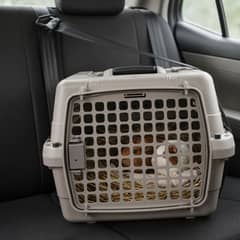
| Ventilated, hard-sided carrier | $45 - $50 |
| First bag of plain, sugar-free degu or chinchilla pellets | $10 - $20 |
| Kitchen scale that reads in grams for the weekly weigh-in | $5 - $20 |
| Setup total | $445 - $730 |
Typical price ranges across retailers.
A large multi-level cage, 28 by 18 inches of floor at minimum for a pair and at least about 35 inches tall, is the main expense and most of the total on its own. Buy metal: degus chew through plastic and wood easily, so a cheaper cage made of either is money spent twice. The rest of the list:
- A solid exercise wheel, large enough for the degu to run with a flat back
- Hay-filled nest boxes, hides and tunnels
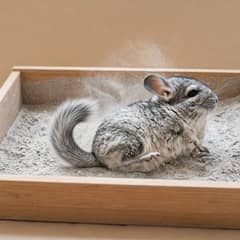
- A dust bath and chinchilla sand or dust
- Deep, dust-free bedding for digging
- Chews and safe wood branches
- A kitchen scale, since weighing every week catches weight gain early
Add the pair of degus on top of the equipment figure.
Ongoing Costs: Modest
Hay, low-sugar pellets, and bedding make up the yearly cost, about $5 to $15 a month before vet visits:
| Item | Annual Cost |
|---|---|
| Grass hay (unlimited) | $20 - $25 |
| Sugar-free degu or chinchilla pellets | $40 - $70 |
| Chinchilla dust (ongoing) | $10 - $25 |
| Chew toys (mineral/pumice) | $5 - $15 |
| Bedding | $20 - $30 |
| Annual exotic vet check | $80 - $160 |
| Yearly total | $175 - $325 |
Typical price ranges across retailers.
Dental checks every 3 to 6 months come on top of the annual vet line. A degu gets no fruit at all and no sugary treats, which keeps the diet budget simple.
Vet Costs
Find an exotics-experienced vet before you need one. The Association of Exotic Mammal Veterinarians keeps a find-a-vet directory of vets with an interest in small mammals. The two most likely reasons for a visit, dental work for overgrown teeth and diabetes management, come up often enough in this species to budget for from the start.
Plan on these visits:
- A first exam shortly after the degus come home.
- An annual checkup for routine care.
- Dental checks every 3 to 6 months, which vets recommend for this species.
- Neutering, if you keep a male with females or want to reduce fighting. Males can be neutered from about 3 months old.
Some costs other pets carry do not apply. Degus need no vaccinations, and routine parasite treatment is not recommended. Diabetes and dental disease can both become lifelong conditions, so if you insure, look for a policy that covers chronic illness for the life of the pet.
Lifespan: Long for a Small Rodent
Degus live 5 to 9 years in captivity, and many reach 8 or more, against an animal that seldom passes 2 years in the wild, where it is prey. A pair's cage, wheel and vet bills are something you will live with for the better part of a decade.
Budgeting for a Pair and Most of a Decade
The low price of one degu hides what is being asked: two animals, a spacious cage built for a social pair, and a diet held free of sugar. None of it is expensive in absolute terms. Price everything for two from the first day, and keep a vet fund for the teeth and the blood sugar.
Sources & Further Reading
Last reviewed 15 Nov 2026 · 6 sources
- PetMD: Caring for a Degu
- Octodon degus laboratory colony management principles and methods for behavioral analysis. Frontiers in Aging Neuroscience
- Royal Veterinary College Exotics Service: Degu Care and Advice (PDF, downloads)
- LafeberVet: Basic Information Sheet, Degu
- PDSA: Getting a Degu; Degus as Pets; The Ideal Environment for Degus
- RSPCA: Degu Company

Put these numbers in a budget you can fill in. The Universal Pet Kit has it, among 19 forms for any pet that you can type into or print.
Frequently Asked Questions
How much does a degu itself cost?
Each degu runs $10 to $50, and a degu should never be bought alone. The first purchase is a same-sex pair, and adoption fees often land at the lower end.
What does a full degu setup cost upfront?
Roughly $445 to $730 of equipment to house a pair properly, before the animals. Most of that is the large multi-level cage, with a solid exercise wheel, bedding, hides, and a dust bath setup behind it.
What are the ongoing monthly costs for a pair of degus?
About $5 to $15 a month for a pair, before vet visits. Most of it is hay, pellets and bedding, since a degu gets no fruit at all and no sugary treats.
How much does degu vet care cost?
An annual exotic vet check runs $80 to $160, with dental checks every 3 to 6 months on top. Dental work for overgrown teeth and diabetes management are the two most likely reasons for extra visits, so budget for them from the start.
How long do degus live, and how does that affect the cost math?
5 to 9 years in captivity, against a wild animal that seldom passes 2 years. Treat a pair as a commitment of most of a decade, with the yearly vet checks and dental care that come with it.
Recommended Gear
As an Amazon Associate I earn from qualifying purchases through the links above, at no extra cost to you.

Written by Michael Ryan
Mike keeps two rescued bearded dragons, Dex and Cera, and writes the care guides on BeastlyFacts from his own research and mistakes. He is not a veterinarian.
More about Michael Ryan →You May Also Like


Subscribe - it's free
An occasional email when something new is worth your time. No spam.
Health and More