Degu Enclosure Setup: Tall, Solid, and Genuinely Cool
On This Page▾

A degu enclosure needs to support an active, social, day-active pair, tall, solid-floored, and cool enough to keep this heat-sensitive species comfortable.
Enclosure Size
About 28 by 18 by 28 inches is the minimum for a pair, and larger is always better. A tall, multi-level cage with ramps and platforms suits this species' active, climbing nature well. Use metal construction rather than plastic or wood, degus chew through both readily. Bar spacing should be no more than half an inch.
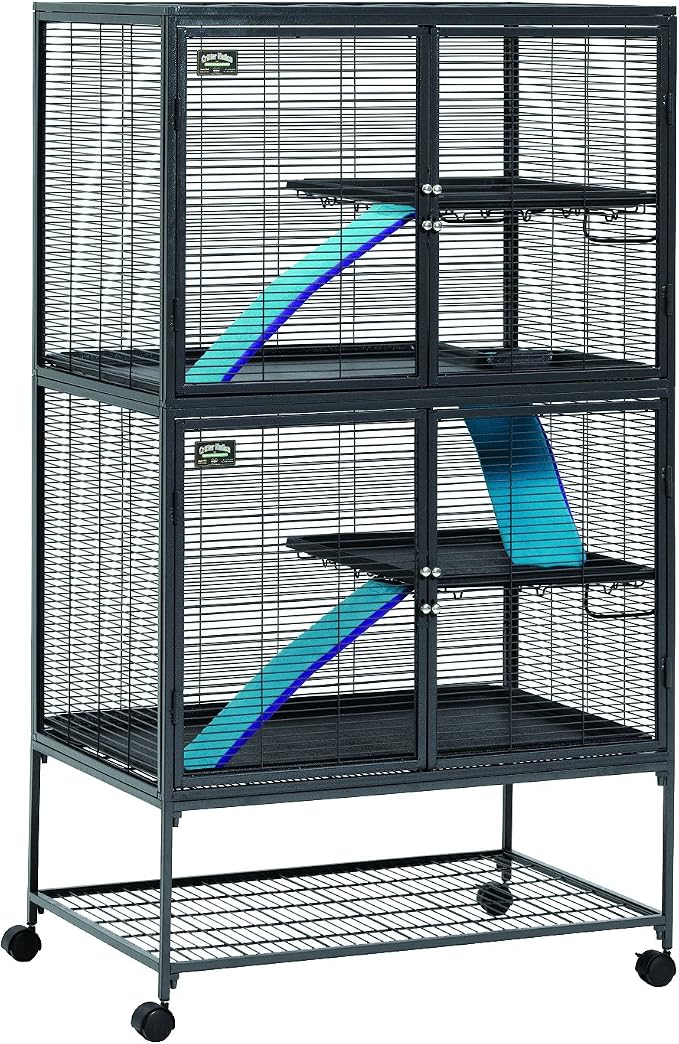
Two details most cage listings never mention. Fit a solid roof: degus are a prey species whose main wild predators are birds of prey, and movement above them frightens them. And give them branches of safe wood, pear, apple or beech, with platforms at different levels to climb or jump between.
Skip the fish tank and the glass vivarium. Degus housed in them can develop respiratory problems, because glass sides don't let enough air circulate in and out.
Temperature
Genuinely cool by small-pet standards, 65 to 70°F (18 to 21°C). This species tolerates heat poorly, keep the cage away from windows, radiators, and any spot that gets direct sun, and never let ambient temperature climb toward 77°F.
A degu's comfortable range tops out well below what most small pets tolerate. 77°F sounds like an ordinary warm room, and for a degu, it's the edge of a genuine heatstroke risk, worth remembering before placing a cage near a sunny window "just for the winter."
Humidity
No special humidity requirement. Good ventilation and low dust in the bedding matter more here than any specific humidity target.
Substrate
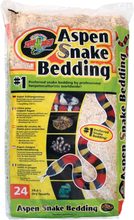
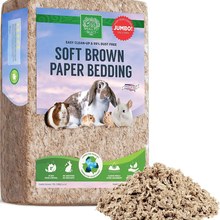
Dust-free wood shavings like aspen, or a paper-based bedding, combined with plenty of hay and a genuine deep-digging area. That means a solid enclosure bottom under a deep layer of material, hay, shredded paper and paper tissue among them, so a degu can dig and burrow rather than scratch at a tray. Avoid cedar entirely, and skip anything dusty or sugary. Use solid flooring rather than wire, this directly prevents bumblefoot.
Lighting
A normal bright-day, dark-night cycle suits this diurnal species well. No UVB requirement.
The Non-Obvious Requirements
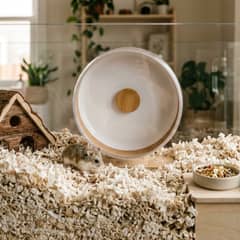
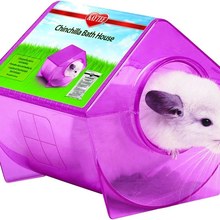
A solid exercise wheel, 11 to 12 inches, is important, wire or mesh wheels catch toes and tails and cause real injury. A sand or dust bath two to three times a week supports healthy coat condition, this isn't optional grooming, it's a real physiological need for this species. Bathing sand is generally the better-suited fill for a degu specifically, finer chinchilla dust was formulated for chinchilla fur and is a reasonable substitute rather than the ideal. A bath house filled with bathing sand covers both, offered in sessions of twenty minutes or so rather than left in the cage, since a permanent tray becomes a toilet and the used sand is carrying information the degus are reading. And provide a proper nest box alongside constant gnawing material, replaced as it gets worked through, since degu incisors are open-rooted and this species chews structurally rather than idly: plastic shelves, hides and wheels do not last. Both matter more for a social pair that's genuinely active during your waking hours than they might for a more sedentary pet.
Rounding Out the Enclosure
None of this needs to be elaborate, but a degu with nowhere to hide or dig is a chronically stressed one.
The gerbil enclosure setup guide covers a burrowing rodent that needs deep digging substrate over floor space rather than height, the opposite priority to a degu's, and Two Pets Where You're Really Buying a Pair has the short version.
Sources & Further Reading
Last reviewed 15 Sep 2026 · 3 sources
❓ Frequently Asked Questions
What size enclosure does a degu pair need?
24 by 18 by 24 inches for a pair at minimum, and larger is always better. Go tall and multi-level, with ramps and platforms, since this is a climbing species.
What temperature should a degu's room be?
65 to 70°F, cool by small-pet standards. Heat is poorly tolerated, so keep the cage off windows, radiators, and direct sun, and never let the room climb toward 77°F.
Does a degu need sand or dust for bathing?
A sand or dust bath two to three times a week supports healthy coat condition and is a real physiological need, not optional grooming. Bathing sand is generally the gentler, better-suited choice for degus specifically, finer chinchilla dust is a reasonable alternative but was formulated for chinchilla fur.
Can a degu use a hamster wheel?
No, a hamster wheel is far too small. Use a solid wheel of 11 to 12 inches: wire or mesh catches toes and tails and causes real injury.
What bedding is safe for a degu?
Dust-free aspen shavings or a paper bedding, with plenty of hay and a deep area to dig in. No cedar, and nothing dusty or sugary.
📰 More on the Degu
🛒 Recommended Gear
As an Amazon Associate, we earn from qualifying purchases through the links above - at no extra cost to you.
Written by Michael Ryan
Mike keeps two rescued bearded dragons, Dex and Cera, and writes the care guides on BeastlyFacts from his own research and mistakes. He is not a veterinarian.
More about Michael Ryan →Comments
No comments yet - be the first!