How to Handle a Chinchilla (And What Fur Slip Means)
On This Page▾

Chinchillas can become hands-on pets that enjoy time with their people. They are usually calm and curious, and they rarely bite, generally only when stressed. Two physical quirks shape every pickup, though: fur that comes away in a grab, and a skeleton that breaks easily.
When and Where to Handle
Chinchillas sleep through much of the day and are most active from dusk into the night. Handle them in their active hours, and let them sleep undisturbed by day. Their hearing is sensitive, so keep your voice low and your movements quiet, and never shout at or punish one.
Handle a chinchilla close to the ground. Sit on the floor, or kneel beside a low surface, so a wriggling chinchilla has only a short way to fall. Keep dogs, cats and ferrets out of the room, since a chinchilla sees them as predators.
The Correct Way to Pick One Up
Support the body fully, every time:
- Approach slowly and let the chinchilla see your hand coming.
- Slide one hand under the chest and the other under the hindquarters.
- Lift and draw it against your chest, the hold keepers call a football hold.
- If you need a firmer grip for a moment, hold the base of the tail gently while the other hand supports the body. Never lift by the tail itself.
Do not hold it too tightly. A gentle, secure grip is safer for a delicate skeleton than a tight one.
Never Lift by the Tail, and Never Grab at the Fur
Never lift a chinchilla by the tail or let the tail take its weight. It can cause serious injury, and the tail skin can tear if a chinchilla is caught by it. Never grab one by the legs either. Grabbing at the fur instead of supporting the body is what triggers fur slip.
Fur Slip: The Chinchilla-Specific Defense Mechanism
Fur slip can look alarming the first time you see it. When a chinchilla is grabbed, mishandled, fighting or simply overexcited, it can release a large patch of fur all at once, revealing smooth, clean skin underneath. It is a protective reaction, not an injury, and it is generally not painful.
It still costs the chinchilla something. The bare patch takes weeks to months to fill in, and the regrown patch is often a different shade from the rest of the coat. To handle a frightened or skittish chinchilla, wrap it gently in a towel first, which helps prevent fur slip.
Fur slip is a distinct thing from fur chewing or barbering, a separate stress-related behavior that boredom and a bare cage feed. One is a startle response, and the other is an ongoing habit.
Fragile Bones
Chinchillas have long hind limbs and a delicate skeleton. Fractures happen more easily than you might expect from an animal this size and energy. The bones' outer layer is thin and brittle, and fixing a broken leg surgically is difficult in an animal this small. Handle gently, and never let a chinchilla leap from a height. Have children sit on the floor before they hold one, which removes most of the fall risk. In the cage and the play area, avoid any uninterrupted drop of more than about 2 feet.
A New Chinchilla Takes Weeks to Settle
A chinchilla that cries and struggles when lifted is not used to people yet, and it can still make a good pet. Gentle handling every day for a few weeks is usually what changes that:
- Approach slowly and quietly.
- Let it sniff your fingers first.
- Pick it up with the football hold, close to your chest so it feels secure.
- Put it back before it starts to struggle.
Chinchillas handled often while young tend to tame and bond. Ones that were not can stay nervous and fearful, so how much handling a young animal has had is a fair question to put to the seller.
Keep Sessions Calm and Reasonably Short
Many chinchillas do not enjoy being picked up, even once they are comfortable with people, though they can learn to enjoy being petted by someone familiar. Read your chinchilla's tolerance and stop before it becomes stressed, which builds more trust than pushing for a longer session. A calm, well-set-up cage with hides to retreat to makes this easier too.
Reading Stress
Stop the session and give the chinchilla space if you see any of these:
- Barking, whistling or other alarm noises
- Hiding, or trying hard to get away
- Fur coming away in your hand
- Repetitive movements, or chewing its own or a cage-mate's fur
- Changes in eating or toileting after handling
A chinchilla that shows these often needs shorter, gentler sessions, and possibly a look at its cage and routine.
Playtime Out of the Cage
Out-of-cage time is where a lot of bonding happens, and veterinary guidance is at least 30 minutes a day of supervised play outside the cage. Proof the room first:
- Close doors and windows, and block gaps behind furniture.
- Move electrical cables out of reach, or cover them.
- Remove anything toxic or small enough to swallow.
- Stay in the room, and sit on the floor so the chinchilla can come to you.
Let it climb on you instead of chasing it. A chinchilla that runs to you during playtime is a chinchilla that is learning to trust your hands.
Happy Sounds and Jumps
Not every odd noise or movement is a problem.
- Jumping for joy. A happy chinchilla springs straight up into the air. A seizure looks different: the animal falls to one side and twitches or flails.
- Soft, repeated squeaks. These are a contented sound.
- Barking or clicking. These mean the chinchilla is scared, or warning off another chinchilla.
Car Trips
Travel is stressful for chinchillas, so keep it to the trip home and vet visits.
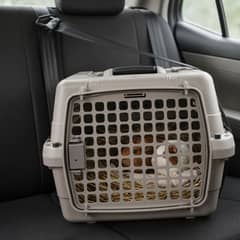
- Use a secure carrier with hay, bedding and something to chew.
- Cool the car before the chinchilla goes in, and keep the carrier out of the sun. Chinchillas succumb to heat stress above 80°F.
- Bring water and food for anything longer than a short drive.
- Never leave a chinchilla in a parked car.
If you board a chinchilla, choose somewhere away from barking dogs and predators.
Telling Males from Females
A female has a prominent cone-shaped urinary opening, and a male has no true scrotum, so the two are easy to confuse. Ask a vet to confirm the sex of each chinchilla before housing two together.
Introducing a Second Chinchilla
Chinchillas are social, and pairs, trios and single-sex groups usually live together peacefully once settled. The dangerous moment is the introduction: chinchillas can be aggressive when they first meet, and a fight can end in injury or death. Pairings go most smoothly with young animals, before sexual maturity at about 8 months.
A male and female only share a cage when one of them is neutered, and in practice that is the male, since spaying females is uncommon. Otherwise the pair will breed. Handle a pregnant female only when you have to, to keep her stress down.
- Health check first. Have the newcomer examined by a vet and tested for parasites before it shares air or bedding with the resident.
- Side by side for at least a week. Put two freshly cleaned cages close together, so the pair can see and smell each other without touching.
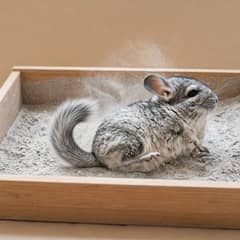
- Neutral ground. Hold the first meetings in a space neither animal has lived in, with plenty of room and a dust bath set out between them.
- One cage only after they get along. For a male and female pair, the female moves into the male's cage.
- Enough of everything. Give one hide or nest box per chinchilla, plus one big enough for the whole group, so a bullied animal can get away. Separate food and water points help too.
Two Hands, Short Sessions, No Grabbing
A chinchilla handled correctly from the start tends to grow into an interactive pet. Support the whole body, keep sessions short, and never grab at the fur or the tail. Rushing the fragile parts is how that trust gets set back.
Sources & Further Reading
Last reviewed 15 Nov 2026 · 6 sources
- Merck Veterinary Manual: Chinchillas; Selecting a Chinchilla; Special Considerations for Chinchillas; Description and Physical Characteristics of Chinchillas
- Pender Veterinary Centre: Caring for Your Pet Chinchilla
- RSPCA: Keeping Chinchillas Together; Chinchilla Behaviour; Chinchilla Environment
- LafeberVet: Basic Information Sheet, Chinchilla
- PetMD: Chinchilla Care Sheet; Have You Ever Seen Your Pet Chinchilla or Guinea Pig Popcorning?
- Long, S. et al. (2023). Case report: Diagnosis and treatment of a chinchilla's old radius and ulna fracture. Animal Diseases

A pet profile and a sitter sheet you can fill in, so anyone who helps knows the routine. The Universal Pet Kit has it, among 19 forms for any pet that you can type into or print.
Frequently Asked Questions
What's the correct way to pick up a chinchilla?
Both hands, with the body fully supported against your chest. Keepers call it a football hold. A gentle hold at the base of the tail steadies it while the other hand supports the body, but never lift a chinchilla by the tail.
What is fur slip in chinchillas?
A defense where a grabbed, mishandled or overexcited chinchilla releases a large patch of fur at once, leaving smooth skin. It is not painful, but the bare patch takes weeks to months to fill in, often in a slightly different shade.
Why are chinchillas prone to injury when handled roughly?
Long hind limbs and thin, brittle bone mean a fall or a rough grip can break a leg, and surgery to fix a fracture is difficult in an animal this small. Prevention is the plan: keep handling low and children seated.
How long should a handling session with a chinchilla last?
Short and calm. Most chinchillas tolerate handling without loving prolonged restraint, so stop before yours gets stressed. Ending early buys you more trust than stretching a session out.
More on the Chinchilla


Recommended Gear
As an Amazon Associate I earn from qualifying purchases through the links above, at no extra cost to you.

Written by Michael Ryan
Mike kept a chinchilla for a stretch. The dust bath and heat advice here is lived.
Mike keeps two rescued bearded dragons, Dex and Cera, and writes the care guides on BeastlyFacts from his own research and mistakes. He is not a veterinarian.
More about Michael Ryan →You May Also Like



Subscribe - it's free
An occasional email when something new is worth your time. No spam.
Health and More