Common Bearded Dragon Health Issues and What Causes Them
On This Page▾

Most serious bearded dragon health problems trace back to husbandry, not bad luck. That's the good news, it means most of this list is preventable if the setup is right.Here's what to watch for and when it's time to call a vet.
Metabolic Bone Disease (MBD)
The single most common serious illness in pet bearded dragons, and it's almost always preventable. It's caused by calcium deficiency, inadequate or incorrect UVB exposure, or a diet too high in phosphorus relative to calcium. Juveniles under two years old are hit hardest since their bones are still developing.

Watch for: soft, bowed, or swollen limbs, a misshapen jaw or spine, a receded lower jaw, difficulty walking or climbing, a bent or zig-zagging tail, tremors or muscle twitching, lethargy, bones that fracture easily, and in severe cases, seizures.
If you notice any of this, see a vet promptly. In the meantime, handle your dragon gently and remove climbing furniture, since a dragon with weakened bones can fracture something in a fall that wouldn't normally hurt it. Since lighting is the usual root cause, it's worth reading what UVB actually does for a bearded dragon before you go troubleshooting diet or supplements.
Impaction
A blockage in the digestive tract, usually from ingesting loose substrate or prey that's too large or hard to pass. Symptoms include not defecating for several days despite still eating, lethargy, and weakness in the hind legs.
If your dragon hasn't defecated in five or more days, it's time to see a vet. Warm baths and gentle belly massage can help mild cases, but a real blockage may need imaging, fluids, or surgery.
Respiratory Infection
Usually caused by an enclosure that's too cool or too humid for the species. Signs include cloudy eyes, nasal discharge, noisy or open-mouth breathing, visible mucus, and loss of appetite. This can be fatal without treatment and needs prescription antibiotics from a vet, not a wait-and-see approach.
Atadenovirus (ADV)
A highly contagious virus most often seen in young dragons. It causes fatal hepatitis and GI disease, failure to thrive, weakness, paralysis, and a distinctive neurological symptom called "stargazing," where the dragon holds its head tilted up and back. There's no cure, only supportive care, which is why testing new dragons before introducing them to others matters.
Yellow Fungus Disease (CANV)
An aggressive fungal skin infection. Look for yellow, thickened, or crusty scales, a foul odor, and lesions that spread over time. It's contagious between animals and the prognosis ranges from guarded to grave, so this needs prompt, aggressive antifungal treatment from a vet the moment you notice it.
Internal Parasites
Pinworms and coccidia turn up even in dragons from good breeders. A low pinworm count on its own often causes no real trouble in an adult, but coccidia is a different story, especially in juveniles, where it can trigger real illness fast.
Watch for: runny or foul-smelling stool, undigested food in the feces, weight loss, poor appetite, and lethargy. Plenty of infections show no outward signs at all, which is exactly why testing beats waiting to see.
A routine fecal exam at the first vet visit, and every year after, catches most of these before they get serious. Bring a fresh sample, less than 24 hours old, in a sealed bag, since older samples make some parasites harder to identify under the microscope. Skip the over-the-counter dewormers: dosing depends on which parasite is actually present and the dragon's exact weight, and treating blind can do more harm than the parasite itself, either by underdosing a real infection or dosing a dragon that never needed treatment in the first place.
Mouth Rot (Infectious Stomatitis)
Watch for: swollen or bleeding gums, yellow-white cheesy material in the mouth, drooling, refusing food, and a jaw that looks puffy on one side. Dark or stained teeth by themselves are normal in adult dragons and not a sign of trouble.
Stress, low temperatures, an injury from live prey or hard food, and MBD can all trigger it. A vet visit for cleaning and antibiotics is the standard treatment, and it's not one to put off, since left alone the infection spreads into the jawbone.
Tail Rot and Toe Loss
Watch for: a toe or the tail tip turning dark, dry, and hard, with the discoloration creeping upward over the following days.
Stuck shed that cuts off circulation is the most common cause, but a bite from a cage mate or an oversized feeder insect, or a fall, can do the same damage. Bearded dragons don't regenerate lost tail tissue the way some geckos do, so whatever length is amputated is permanent. Caught early, tail rot is often treatable. Caught late, the tissue has already died, and the only option is amputating the affected section to stop it from spreading further. Checking toes and the tail tip at every shed catches stuck-shed rings while they're still easy to remove, before circulation is cut off for good.
Eye Problems
Eyes held shut or looking a little puffy for a day or two during a head shed is normal. Swollen, closed, or weeping eyes that stick around longer than that are a different matter.
Common causes: a UVB bulb positioned too close or burning too strong, especially with coil-style bulbs at short range, a vitamin A imbalance, a scratch, or an infection. Check the distance between the UVB bulb and the basking spot first, since it's the most common cause and the easiest one to rule out. If the swelling persists past two days or comes with discharge, it's time for a vet visit.
Burns and Prolapse
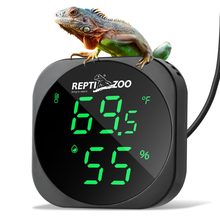
Burns most often come from hot rocks, an unguarded bulb, or a basking surface running hotter than intended, and they show up as blistered, blackened, or peeling skin, usually on the back or belly. Cool the area with room-temperature water and fix the heat source immediately. Anything past a small red patch needs a vet, since reptile burns often look worse over the following days rather than better right away. An infrared thermometer makes it easy to check actual surface temperature at the basking spot instead of guessing, which is worth doing on any new setup.

Prolapse is pink or red tissue protruding from the vent that doesn't retract on its own within a few minutes. Dehydration, constipation, straining during egg-laying, and MBD-related muscle weakness are the usual triggers. Keep the tissue moist with a clean, wet cloth or saline, never try to push it back in, and get to a vet the same day. It's a symptom of an underlying problem, not a condition on its own, and it's always treated as an emergency.
When to See a Vet, No Question Asked
- Tremors or muscle twitching
- Swelling in the jaw or limbs
- A juvenile refusing food for 2 to 3 days
- An adult refusing food for 1 to 2 weeks outside brumation, or any refusal with lethargy, abnormal stool, or a swollen abdomen
- A beard that stays dark for extended periods
- Difficulty moving or climbing
- Labored or open-mouth breathing
- Diarrhea, or stool that's runny or foul-smelling for more than 2 days
- Stargazing behavior
- Any skin lesions or discoloration
- Swollen or bleeding gums, or cheesy material in the mouth
- A toe or the tail tip turning dark, dry, or hard
- Eyes swollen or closed for more than 2 days
- Blistered, blackened, or peeling skin
- Tissue protruding from the vent
"Stargazing," where a bearded dragon holds its head tilted up and back for extended periods, is one of the more distinctive neurological signs in reptile medicine. It shows up with atadenovirus and a handful of other neurological conditions, which is exactly why it's treated as an urgent, not wait-and-see, symptom.
An annual wellness exam with a fecal test is worth doing even when nothing seems wrong. Most of what's on this list is far easier to treat, and far cheaper, caught early.
Diet problems come up often too, and the safe foods guide sorts the greens and insects worth feeding from the ones that cause trouble.
Want this as a printable reference? The Bearded Dragon Care Package turns this guide into a 35-page PDF you can keep by the enclosure, $8.99.
Sources & Further Reading
Last reviewed 3 Sep 2026 · 7 sources
- VCA Animal Hospitals: Bearded Dragons - Diseases
- VCA Animal Hospitals: Bearded Dragons - Problems
- Merck Veterinary Manual: Emergencies of Reptiles
- Merck Veterinary Manual: Nutritional, Metabolic, and Endocrine Diseases of Reptiles
- DoveLewis Emergency Animal Hospital: Cloacal Prolapse in Reptiles
- Washington State University Veterinary Teaching Hospital: Yellow Fungus Disease in Bearded Dragons
- ReptiFiles: Atadenovirus (ADV)
❓ Frequently Asked Questions
What is the most common health problem in pet bearded dragons?
Metabolic bone disease. It comes from too little calcium, inadequate or incorrect UVB, or a diet too high in phosphorus relative to calcium, and juveniles under two years old are hit hardest. Almost every case is preventable with correct lighting and supplementation.
How long can a bearded dragon go without pooping before it's a problem?
If your dragon hasn't defecated in five or more days, it's time to see a vet. That combined with lethargy or hind-leg weakness points toward impaction, usually from loose substrate or prey that's too large to pass.
What does yellow fungus disease look like?
Yellow, thickened, or crusty scales, a foul odor, and lesions that keep spreading. It is contagious between animals and the prognosis runs from guarded to grave, so see a vet for aggressive antifungal treatment the day you notice it.
Is there a cure for atadenovirus (ADV) in bearded dragons?
No. Care is supportive only. ADV causes fatal hepatitis and GI disease, and the tell is stargazing, the dragon holding its head tilted up and back. Test every new dragon before it is introduced to one you already own.
Should I deworm my bearded dragon without a vet visit?
No. Over-the-counter dewormers are dosed by parasite type and body weight, and giving one blind can hurt a healthy dragon or fail to treat the problem you have. Get an annual fecal exam instead, with a fresh sample less than 24 hours old, and treat only what the test finds.
Are dark or stained teeth a sign of mouth rot in bearded dragons?
Not on their own. Dark or stained teeth are normal in adult dragons. Mouth rot looks more like swollen or bleeding gums, yellow-white cheesy material in the mouth, drooling, and refusing food, and it needs a vet visit for cleaning and antibiotics before it spreads to the jawbone.
📰 More on the Bearded Dragon
📘 Bearded Dragon care guide
🦎 How Much Does a Bearded Dragon Really Cost?
🦎 How to Handle a Bearded Dragon Without Stressing It Out
🦎 Bearded Dragon Tank Setup: Temperature, UVB, and Everything Else
🦎 Bearded Dragon Feeding: Schedule, Diet, and Why They Stop Eating
🦎 10 Surprising Bearded Dragon Facts
🦎 Bearded Dragon Brumation: Triggers, the Routine, and When to Worry
🦎 Female Bearded Dragons: Eggs, Lay Boxes, and Egg Binding
🦎 Bearded Dragon Growth, Weight, and At-Home Health Checks
🥬 Bearded Dragon Safe Foods List: Staple, Occasional, and Never Foods
🦎 The Bearded Dragon Starter Shopping List (Buy Once, Cry Once)
🦎 Bioactive Setups for Bearded Dragons
🦎 Bearded Dragon Enrichment: Climbing, Digging, and Safe Free-Roam
🦎 Is It Legal to Own a Bearded Dragon? State-by-State Guide
🛒 Recommended Gear
As an Amazon Associate, we earn from qualifying purchases through the links above - at no extra cost to you.
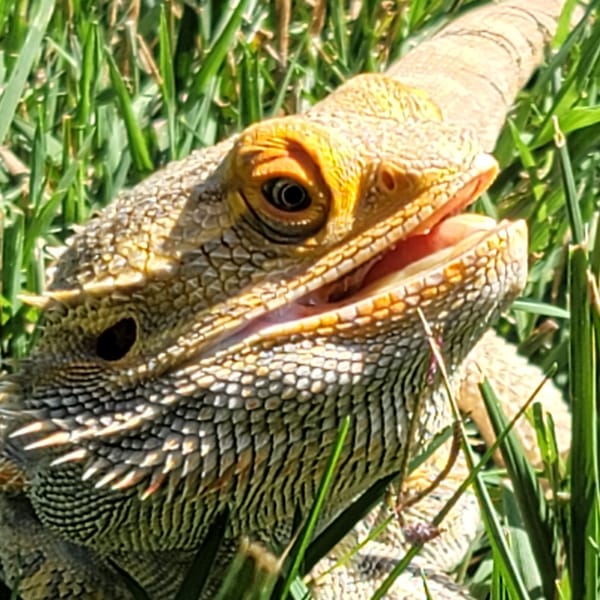
Written by Michael Ryan
Written from Mike’s own two dragons, Dex and Cera.
Mike keeps two rescued bearded dragons, Dex and Cera, and writes the care guides on BeastlyFacts from his own research and mistakes. He is not a veterinarian.
More about Michael Ryan →Comments
No comments yet - be the first!