How Much Does a Common Garter Snake Really Cost?
On This Page▾

Common garter snakes are some of the most affordable snakes you can keep, cheap to acquire, cheap to feed, and in a lot of the country, not even something you have to buy at all. The one place the budget gets less predictable is the diet, which looks nothing like a standard mouse-eating snake's.
The Snake Itself: $20 to $50 Typical, More for Morphs
| Type | Price Range |
|---|---|
| Normal, wild-type | $20 - $50 |
| Albino / checkered albino | $150 - $350 |
| Erythristic, flame het albino, and other combinations | $250 - $500+ |
A real current listing from Backwater Reptiles prices a medium to large normal garter snake at $49.99, and other online retailers list smaller juveniles starting around $30. That puts a normal garter snake below a normal corn snake ($25-70) and well below a normal hognose ($50-100). Color and pattern morphs (albino, checkered albino, anerythristic, and combinations like erythristic-het-anery or flame het albino) are a smaller, newer market than corn snake or hognose morphs, but they do exist and command real premiums on the exotic pet marketplace.
The Free Option: Catching One in Your Backyard
This is unique among the beginner pet snakes. The common garter snake is the most widely distributed snake in North America, found in gardens, vacant lots, and wetlands from Florida to coastal Quebec and west to British Columbia, and plenty of keepers end up with one simply because it turned up in the yard rather than because they went shopping for it.
Two real caveats keep this from being a free lunch. First, regulations vary by state, and a few subspecies, including the federally endangered San Francisco garter snake, carry specific legal protections, so it's worth a quick check of local wildlife rules before you keep a wild one. Second, a wild-caught animal skips the purchase price but not the setup cost or the vet visit, a fecal exam for parasites is a genuinely good idea for any wild-caught snake.
Upfront Setup: Roughly $200 to $400
| Item | Cost Range |
|---|---|
| 36x18x18 in or 40-gallon breeder enclosure | $120 - $220 |
| Under-tank heater + thermostat | $35 - $70 |
| Warm, cool, and humid hides | $15 - $30 |
| Water container sized for full submersion | $15 - $30 |
| Digital thermometer and hygrometer | $15 - $25 |
| Substrate (coconut fiber, cypress mulch, or leaf litter) | $15 - $25 |
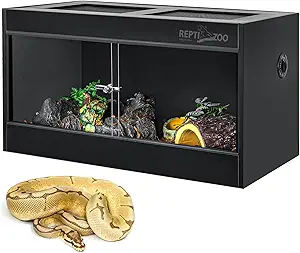
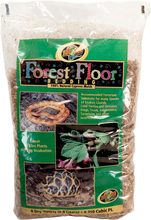
A 36x18x18 inch enclosure or an equivalent 40-gallon breeder glass tank is the standard adult size cited across every care sheet we checked. Pair it with an under-tank heater and thermostat, since a heat mat running without one can climb well past a safe temperature.
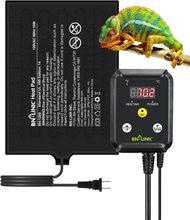
The line item that makes a garter snake's setup different from a corn snake's or hognose's is the water container. This is a semi-aquatic species that actually swims, not just drinks, so the bowl needs to be deep and wide enough for full submersion. A large soak-able water dish works for a smaller individual, though many keepers size up further to a plastic storage bin, which can cost less than a dedicated reptile-branded soaking dish.
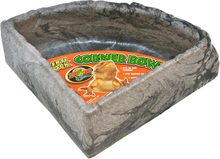
Ongoing Costs: Roughly $195 to $360 a Year
| Item | Annual Cost |
|---|---|
| Frozen fish, earthworms, and mice | $70 - $140 |
| Thiamine (B1) and calcium supplements | $10 - $20 |
| Substrate replacement | $25 - $40 |
| Electricity (heat) | $40 - $70 |
| Annual vet wellness check | $50 - $90 |
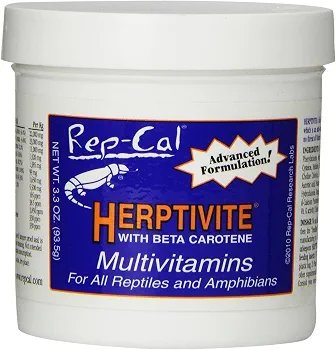
Prices last checked September 2026 at Josh's Frogs and PetSmart. Retail prices move; treat the table as a snapshot, not a quote.
A wild garter snake costs nothing to acquire, but it still needs the exact same $200-plus setup as one bought online. Where the free-snake math actually pays off is over time: skip the $20-50 purchase price and you've saved maybe one month's worth of the ongoing cost, not the meaningful part of the budget.
This is where the diet stops being a simple one-line cost. Frozen mice are the cheap, easy default for a corn snake or hognose, one supplier, one product, done. A garter snake's diet spans frozen and thawed fish (tilapia and silversides are common, thiaminase-free choices), earthworms, and sometimes mice, and the total dollar cost lands in a similar range to a standard rodent-only snake. What changes is the sourcing: you're keeping two or three food types on hand instead of one, and if fish make up a large share of the diet, a vitamin B1 supplement becomes a real recurring line item, not an optional extra.
Vet Costs
A routine reptile wellness exam runs roughly $50 to $100, with a fecal test around $25 to $50, worth prioritizing for this species given how much of its natural diet (fish, earthworms, amphibians) can carry parasites. Thiamine deficiency from an unsupplemented, fish-heavy diet is treatable with injectable thiamine plus a diet correction, but it's a condition specific enough to piscivorous snakes that the standard veterinary reference for exotic animal medicine calls out garter and water snakes by name as the group most likely to develop it. Catching it early keeps the vet bill to a single visit; catching it late, once neurological symptoms appear, costs more in both money and risk to the snake.
Lifespan and the Long Game
Wild garter snakes rarely live long, most don't survive their first year or two, with 2 to 4 years being a commonly cited range for the ones that do. Captivity changes that picture substantially: 6 to 10 years is typical with good care, and individuals have been documented living past 20. That's a real span to budget for, even on a snake this inexpensive to run month to month.
The Value Proposition
Among the beginner snakes, a normal garter snake is one of the cheapest to acquire and among the cheapest to set up. The catch isn't cost so much as convenience: a keeper who wants to buy one food type and never think about it again will have an easier time with a corn snake, while someone willing to keep fish and earthworms on hand gets a genuinely inexpensive, active, semi-aquatic pet in return.
The garter snake also shows up alongside the red-footed tortoise and rosy boa in our roundup of Three Reptiles Worth Starting With, Each for a Different Reason.
Sources & Further Reading
❓ Frequently Asked Questions
How much does a common garter snake cost to buy?
Normal, wild-type garter snakes typically run $20 to $50. A real listing from Backwater Reptiles prices a medium to large normal garter snake at $49.99, and other online retailers list juveniles as low as $30. Color morphs are a smaller, newer market than corn snakes or hognoses, but albino and checkered albino animals commonly run $150 to $350, and rarer combinations like erythristic or flame het albino can reach $250 to $500 or more.
What does the upfront setup cost for a garter snake?
Roughly $200 to $400. That covers a 36x18x18 inch or 40-gallon breeder enclosure, an under-tank heater and thermostat, warm/cool/humid hides, a water container sized for full submersion rather than just a sip-and-dip bowl, a digital thermometer and hygrometer, and substrate.
What are the ongoing monthly costs, and why is the diet less predictable than other snakes?
Roughly $15 to $30 a month, or $195 to $360 a year. Unlike a corn snake or hognose eating one food type (frozen mice), a garter snake's grocery list often spans frozen fish, earthworms, and sometimes mice, plus a vitamin B1 supplement if fish make up a large share of the diet. It isn't necessarily more expensive in dollars, but it takes more sourcing effort than grabbing one bag of frozen mice.
Can you catch a garter snake for free, and should you?
In much of the US, yes, garter snakes are the most commonly encountered backyard snake, and plenty of keepers start with one caught rather than bought. Rules vary by state, and a handful of subspecies carry specific protections, so check local wildlife regulations first. A wild-caught animal still needs the full setup plus a veterinary fecal exam for parasites, so the free part only ever covers the animal itself.
How does garter snake cost compare to a corn snake or hognose snake?
The animal itself is typically cheaper than a normal corn snake ($25-70) or hognose ($50-100), and setup costs land in a similar range to both. The difference shows up monthly: corn snakes and hognoses eat one thing, frozen rodents, while a garter snake's varied diet costs roughly the same in dollars but takes more legwork to source consistently.
📰 More on the Garter Snake
📘 Garter Snake care guide
🐍 How to Handle a Garter Snake (And Why It Might Musk on You First)
🐍 Common Garter Snake Health Issues
🐍 Garter Snake Tank Setup: Why the Water Bowl Isn't Really a Water Bowl
🐍 Garter Snake Feeding: Fish, Earthworms, and Why So Many Refuse Mice
🐍 Garter Snake Enrichment: The One I Had to Correct
🛒 Recommended Gear
As an Amazon Associate, we earn from qualifying purchases through the links above - at no extra cost to you.
Written by Michael Ryan
Mike keeps two rescued bearded dragons, Dex and Cera, and writes the care guides on BeastlyFacts from his own research and mistakes. He is not a veterinarian.
More about Michael Ryan →Comments
No comments yet - be the first!