Bioactive Setups for Bearded Dragons
On This Page▾

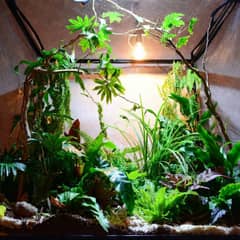
Hey everyone. If you have been keeping bearded dragons for a while, you have probably heard about bioactive setups. They are basically enclosures that work more like a mini ecosystem instead of a sterile tank you have to clean every week.
I switched Dexter over to a bioactive style a while back and it has been a game changer for him.
Why Go Bioactive?
The main reasons people switch are pretty straightforward. A good bioactive setup can:
- Help maintain more stable humidity levels
- Reduce the amount of time you spend cleaning
- Look a lot more natural and interesting
- Encourage more natural behaviors from your dragon
It is not magic though. You still need proper lighting, heat, and nutrition. The bioactive part just makes the day to day care a little easier once it is established.
Enclosure Size and Setup Basics
For an adult bearded dragon you really want at least a 4x2x2 or larger. Bigger is always better with these guys. The extra floor space gives you room for the different layers you will need.
Most people start with a drainage layer at the bottom. This can be clay balls, hydroton, or even just a thick layer of coarse substrate. The point is to give excess water somewhere to go so your main soil does not stay soggy.
On top of the drainage layer you put a barrier. Landscape fabric or window screen works well. Then you add your main substrate mix.
Substrate Mix
This is where a lot of people get overwhelmed. The goal is something that holds a little moisture for the plants and bugs but still dries out reasonably well on top for the dragon.
A very common and effective mix is something like:
- 50 to 60 percent play sand or fine reptile sand
- 30 to 40 percent organic topsoil (make sure it has no fertilizers or additives)
- 10 to 20 percent excavator clay or similar for structure
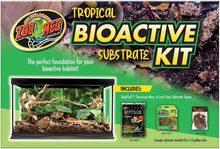
Some keepers add a bit of sphagnum moss or leaf litter on top for the cleanup crew to hide in. The Bio Dude Terra Sahara kit is also popular because it is already formulated for arid bioactive setups and comes with everything you need to get started.
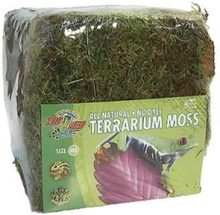
The substrate should be at least 4 to 6 inches deep in most areas so your cleanup crew has room to do their thing.
Plants and Cleanup Crew
For plants, hardy arid or semi arid species tend to do best. Things like aloe vera, haworthia, snake plant, and some types of pothos can work if you are careful with placement. Just make sure anything you add is safe and has not been treated with pesticides.
The cleanup crew is what makes the whole thing work. Most people use a combination of isopods and springtails. Dwarf white isopods and powder orange isopods are popular choices because they breed quickly and handle the conditions well. Springtails help control mold and break down waste even faster. Damp moss and leaf litter tend to collect residents far too small to see as well, including tardigrades, the near indestructible water bears.
You can buy starter cultures from places that specialize in bioactive supplies. Once they are established you rarely have to do much with them.
Lighting, Heating, and Daily Care
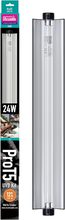
Nothing changes here from a normal setup. You still need strong UVB (Arcadia 12 percent or similar is popular), a proper basking spot around 100 to 105 degrees on the surface, and a cool side in the low 70s. The complete UVB lighting guide has the deeper reasoning behind why UVB strength matters as much as it does.

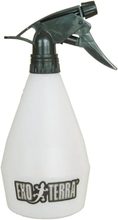
The plants and bugs will appreciate a little misting every now and then, but do not overdo it. Bearded dragons come from arid areas and too much moisture can cause issues.
Spot clean as needed, but with a good crew you will find yourself doing full substrate changes much less often.
Common Mistakes to Avoid
A few things I see people run into:
- Not having enough depth in the substrate
- Using the wrong plants or plants that have been treated with chemicals
- Over misting and creating a swamp instead of a balanced system
- Not giving the setup time to establish before adding the dragon
Give it a few weeks to a month for the plants and bugs to settle in before moving your dragon over if possible.
Is It Worth It?
For me it has been. Dexter seems happier with more to explore and I spend less time worrying about cleaning. It is more work upfront, but once it is running it feels very low maintenance.
If you are someone who enjoys the setup and planting side of things, you will probably love it. If you just want the absolute simplest possible care, a solid substrate or tile setup might still be the way to go.
Either way, the most important things are still good lighting, proper temperatures, and a varied diet. Bioactive is just one tool in the toolbox, and it copies the wild floor described in the bearded dragon encyclopedia profile more closely than a bare tank ever will.
❓ Frequently Asked Questions
Is a bioactive setup safe for a baby bearded dragon?
Most keepers wait until a dragon is a juvenile or older before moving to bioactive, since hatchlings are harder to monitor closely in a more naturalistic setup and their care needs change quickly in the first few months. A simpler substrate is usually easier to manage during that early stage.
How long before I can add my dragon to a new bioactive setup?
Give the plants and cleanup crew a few weeks to a month to establish before introducing the dragon. Moving a dragon in too early means the isopods and springtails haven't built up enough of a population to keep pace with waste.
Do bioactive setups really need less cleaning?
Yes, for full substrate changes - a healthy cleanup crew processes waste continuously, so you're not tearing down and replacing substrate nearly as often. You'll still want to spot clean as needed; bioactive reduces deep cleaning, not all maintenance.
Can I use bioactive substrate in any size enclosure?
Bioactive works best in a 4x2x2 or larger enclosure, since the substrate needs real depth (4 to 6 inches minimum) for the cleanup crew and plant roots to function properly. Smaller enclosures don't have room for that depth without cutting into the dragon's usable floor space.
What happens if my cleanup crew dies off?
Waste will start accumulating faster than it's processed, and you'll likely notice odor or mold developing. This usually points to a substrate that's too wet, too dry, or lacking enough organic material to sustain the isopods and springtails - check moisture levels first, then consider a fresh starter culture if the population doesn't recover.
📰 More on the Bearded Dragon
📘 Bearded Dragon care guide
🦎 How Much Does a Bearded Dragon Really Cost?
🦎 How to Handle a Bearded Dragon Without Stressing It Out
🦎 Common Bearded Dragon Health Issues and What Causes Them
🦎 Bearded Dragon Tank Setup: Temperature, UVB, and Everything Else
🦎 Bearded Dragon Feeding: Schedule, Diet, and Why They Stop Eating
🦎 10 Surprising Bearded Dragon Facts
🦎 Bearded Dragon Brumation: Triggers, the Routine, and When to Worry
🦎 Female Bearded Dragons: Eggs, Lay Boxes, and Egg Binding
🦎 Bearded Dragon Growth, Weight, and At-Home Health Checks
🥬 Bearded Dragon Safe Foods List: Staple, Occasional, and Never Foods
🦎 The Bearded Dragon Starter Shopping List (Buy Once, Cry Once)
🦎 Bearded Dragon Enrichment: Climbing, Digging, and Safe Free-Roam
🦎 Is It Legal to Own a Bearded Dragon? State-by-State Guide
🛒 Recommended Gear
As an Amazon Associate, we earn from qualifying purchases through the links above - at no extra cost to you.
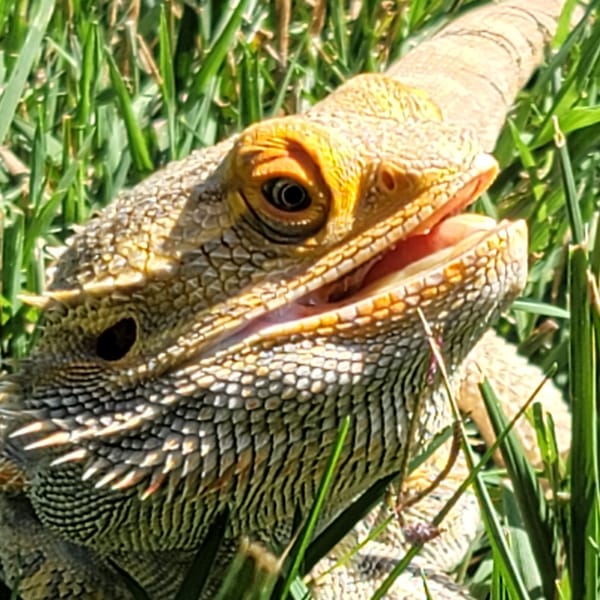
Written by Michael Ryan
Written from Mike’s own two dragons, Dex and Cera.
Mike keeps two rescued bearded dragons, Dex and Cera, and writes the care guides on BeastlyFacts from his own research and mistakes. He is not a veterinarian.
More about Michael Ryan →Comments
No comments yet - be the first!