Rosy Boa Enclosure Setup: Small, Dry, and Simple by Design
On This Page▾

Rosy boa housing is refreshingly modest. A small, dry, secure enclosure covers everything this desert species needs, a welcome contrast if you've been pricing out a setup for a boa constrictor, which needs a 6 to 8 foot enclosure and tropical humidity by adulthood.
Enclosure Size: Modest
| Life Stage | Enclosure Size |
|---|---|
| Juvenile | 10 - 15 gallon terrarium |
| Adult (24-36 in typical) | 20 - 30 gallon, or 36x18x18 in for a roomier modern setup |
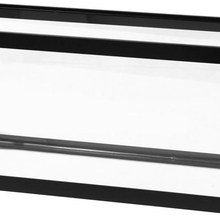
A rosy boa's small adult size, typically 24 to 36 inches and only rarely approaching 4 feet, means it never needs the multi-foot enclosure a larger boa requires. A 20 gallon long tank covers a standard adult setup comfortably. This is a ground-dwelling, secretive species that spends much of its time tucked into rock crevices, so a snug hide matters more here than raw floor space. House rosy boas individually, never together.
Temperature
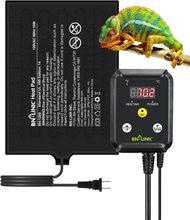
A basking surface temperature of 90°F, with a cool side around 65 to 75°F, is the standard target. Heating should generally be turned off at night, and temperatures can safely fall into the 60s without issue. A brief winter cooldown toward the mid-50s is fine too, and actually mirrors this species' natural seasonal slowdown in the wild rather than working against it. A thermostat-controlled under-tank heater is the appropriately gentle heat source for a snake this size, there's no need for the ceramic heat emitter a larger boa requires.
Humidity: The Reverse of Most Boas
This is the detail that matters most, and it runs opposite to what almost every other pet snake wants. Keep ambient humidity well under 60 percent, with a baseline closer to 30 to 40 percent for most of the year, roughly half of what a boa constrictor needs as a much larger, tropical species. Rosy boas are sensitive to persistent dampness, and chronically high humidity is the leading cause of respiratory infection and scale rot.
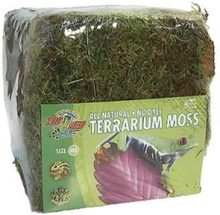
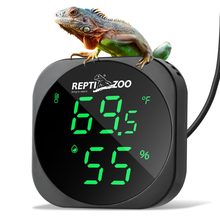
That said, don't overcorrect into bone-dry. This species still needs consistent access to water and tolerates brief humidity spikes, a splash from the water dish, an occasional damp patch, as long as the enclosure is allowed to dry back out afterward. During the shed cycle specifically, raise humidity to roughly 40 to 50 percent using a damp sphagnum moss hide, then let conditions return to the dry baseline once the shed completes. A real digital hygrometer is worth having, this is a species where guessing in either direction causes a real problem.
In the wild, rosy boas spend much of their time tucked into rock crevices and granite outcroppings rather than moving around in the open desert. That's exactly why a snug hide matters more to this species than extra floor space does, a genuinely different design priority from the boa constrictor, which is semi-arboreal and needs both floor space and height to match.
Substrate
Dry aspen shavings are the standard choice and hold up well at the low humidity this species needs. Avoid the moisture-retentive substrates recommended for tropical boas and pythons, like cypress mulch or coconut fiber, they're the wrong material here and can push ambient humidity higher than a rosy boa can comfortably tolerate.
Furnishings: Minimal But Real
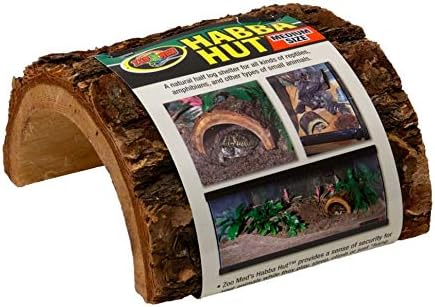
Provide two snug hides, one on the warm side and one on the cool side, sized so your rosy boa's body touches the sides once inside. Add a small, shallow water dish, this species doesn't need the large soaking dish a bigger boa does. A flat piece of rock or cork bark gives it something to rub against during shedding and reflects its natural rocky habitat, but keep the overall setup simple, this isn't a species that needs heavy clutter to feel secure.
The Non-Obvious Requirement: A Secure, Smooth Lid
Rosy boas are persistent, patient escape artists that will test any gap in an enclosure over time. A tight-fitting, securely fastened screen lid is essential on a glass or open-top enclosure. Smoothness matters too and is easy to overlook: a rough or coarse screen can cause rostral abrasion, real snout irritation and injury from a snake repeatedly pushing against it.
Sources & Further Reading
❓ Frequently Asked Questions
What size enclosure does a rosy boa need?
Young rosy boas do well in a 10 to 15 gallon terrarium. Adults, which typically reach 24 to 36 inches, are commonly kept in a 20 to 30 gallon enclosure, and a roomier 36x18x18 inch setup is the higher-end recommendation. Either way, this is a dramatically smaller footprint than the 6 to 8 foot enclosure a boa constrictor needs as an adult.
What temperature does a rosy boa enclosure need?
A basking surface temperature of 90°F, with a cool side around 65 to 75°F. Heating should generally be turned off at night, temperatures can safely fall into the 60s, and a brief winter cooldown toward the mid-50s is fine and mirrors this species' natural seasonal slowdown. A thermostat-controlled under-tank heater is the standard, appropriately gentle heat source for a snake this size.
How humid should a rosy boa enclosure be?
Well under 60 percent, with a baseline closer to 30 to 40 percent for most of the year. Bump that to roughly 40 to 50 percent only during the shed cycle, using a humid hide, then let it drop back down. This species tolerates brief humidity spikes, like a splash from the water dish, as long as the enclosure is allowed to dry back out, the goal is a dry baseline, not zero humidity at all times.
What substrate works best for a rosy boa?
Dry aspen shavings are the standard choice, and they hold up well at the low humidity this species needs. Avoid moisture-retentive substrates like cypress mulch or coconut fiber, the materials that work well for tropical boas and pythons are the wrong choice here and can push humidity higher than a rosy boa can tolerate.
Why does a rosy boa need such a secure lid?
Rosy boas are persistent escape artists that will explore and test any gap in an enclosure. A tight-fitting, securely fastened lid is essential, and a smooth one matters too, rough or coarse screen can cause rostral abrasion from repeated rubbing against it, a real and avoidable injury.
📰 More on the Rosy Boa
📘 Rosy Boa care guide
🐍 How Much Does a Rosy Boa Really Cost?
🐍 How to Handle a Rosy Boa: One of the Calmest Snakes You Can Own
🐍 Common Rosy Boa Health Issues (and Why Humidity Is the One to Watch)
🐍 Rosy Boa Feeding: Schedule, Prey Size, and Why Adults Eat So Rarely
🐍 Rosy Boa Enrichment: A Slow Snake Is Not a Snake That Needs Less
🛒 Recommended Gear
As an Amazon Associate, we earn from qualifying purchases through the links above - at no extra cost to you.
Written by Michael Ryan
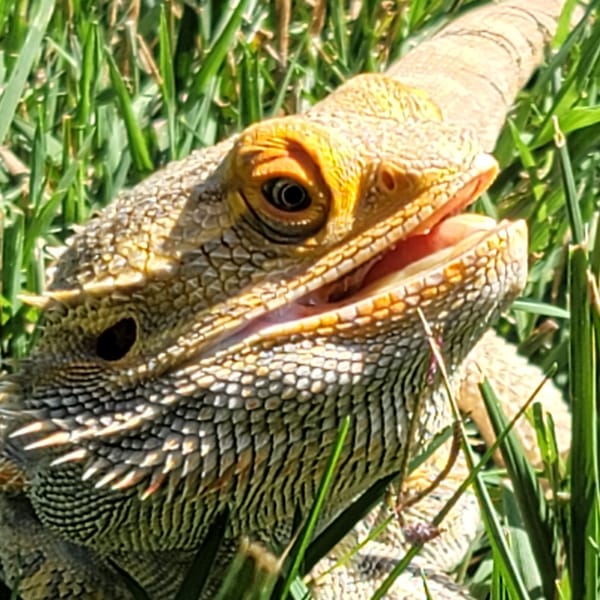
Mike keeps two rescued bearded dragons, Dex and Cera, and writes the care guides on BeastlyFacts from his own research and mistakes. He is not a veterinarian.
More about Michael Ryan →Comments
No comments yet - be the first!