Bearded Dragon Enrichment: Climbing, Digging, and Safe Free-Roam
On This Page▾

Enrichment means giving a bearded dragon room to climb, dig, thermoregulate by choice, hunt, and explore. It's a genuine part of good care, but it comes after the basics, not instead of them.
Enrichment never replaces correct heat, UVB, diet, hydration, or a properly sized enclosure (4x2x2 ft / 120x60x60 cm is the adult minimum). If any of those are still wrong, fix them first, no amount of climbing structure or free-roam time makes up for the fundamentals.
Climbing and Structure
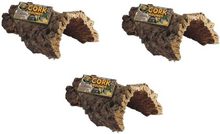
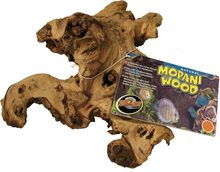
Sturdy branches, cork, ledges, and a basking platform at more than one height give a dragon something to survey from and somewhere to warm up properly. Cork bark and sturdy climbing branches both work well here, and rough textures help with grip and natural nail wear. Anchor everything so nothing can shift or collapse under an adult dragon's full weight, and keep hides on both the warm and cool ends so the dragon never has to choose between feeling secure and being at the right temperature.
If reflections or heavy foot traffic near the tank seem to be causing stress, covering two or three sides cuts that down. Rotating the layout occasionally is fine, constantly rearranging everything is not, a dragon still benefits from a space it recognizes.
Dig Boxes
A dig box is genuinely useful enrichment for most dragons, and it's closer to a real husbandry requirement for gravid females who need somewhere to dig a lay site. Use a container large enough for the dragon to turn around in and push substrate, filled with a blend that holds its shape, organic topsoil mixed with washed play sand, often close to a 50/50 blend, kept slightly damp for laying so tunnels don't collapse.
Depth depends on purpose. General enrichment digging works with around 4 to 6-plus inches of substrate. A gravid female preparing to lay wants considerably more, commonly 6 to 12-plus inches of cohesive, diggable material. Never use calcium sand for this, it's a real impaction risk dressed up as an enrichment product.
If your dragon's main floor is paper towel or tile, which we recommend, a separate dig box still lets digging happen without giving up a safe primary substrate. Keepers who want digging available across the whole enclosure rather than in one box sometimes move to a bioactive setup instead, which trades easy monitoring for a deep, diggable substrate that maintains itself.
Foraging and Hunting
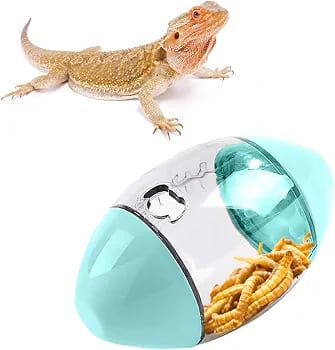
Tong-feeding and short, supervised live-insect hunts inside the enclosure both tap into real hunting behavior. Scattering greens instead of only presenting them in a bowl, or setting up a simple forage tray or hung greens the dragon has to work for, adds a little more of the same. A rolling treat dispenser suits how a dragon actually works at food, by pushing and nosing until insects fall out, rather than the rope-pull and lift-out mechanisms sold on boards marketed for the species. Gut-load feeders and size prey correctly regardless of how it's presented, and don't leave a large number of uneaten insects in the tank overnight. Never use wild-caught insects, the pesticide and parasite risk isn't worth it.
Supervised Free-Roam
Free-roam time outside the enclosure is enrichment, not a substitute for a proper tank. A dragon that gets regular house time still needs the correctly sized enclosure waiting for it afterward.
Keep sessions short and supervised, often starting around 10 to 15 minutes and building toward 15 to 30 minutes for some adults, in a warm room with no drafts. Block gaps under furniture, remove other pets, cords, toxic plants, and anything small enough to be swallowed. End the session immediately if the dragon starts to cool down, panics, darkens its beard heavily, or turns lethargic. Never allow unsupervised house roaming.
Outdoor time is optional and more advanced: supervised only, ideally in a secure pen rather than an open yard, with shade and water always available. Never leave a glass enclosure sitting in direct sun, even briefly, it heats up far faster than the open air around it.
Priority Order
- Correct heat, UVB, and enclosure size, these come before any of the below
- Climbing structure plus hides on both the warm and cool ends
- A dig opportunity, general or gravid-depth depending on the dragon
- Foraging and hunting presentation
- Supervised free-roam time
What Not to Do
Unstable, stacked rock piles are a real crush-injury risk if a dragon climbs on one that shifts. Calcium sand, walnut shell, and other impaction-risk substrates are sometimes marketed as enrichment, they aren't safe regardless of the label. Don't let climbing decor or clutter block the thermal gradient itself, the gradient is the actual foundation everything else sits on top of. Free-roam time doesn't excuse an undersized tank, and peeling stuck shed isn't a form of handling-as-enrichment, it's a health problem. And skip cohabitation as "social enrichment" entirely, bearded dragons are solitary and do best housed alone.
Sources & Further Reading
Last reviewed 31 Aug 2026 · 3 sources
❓ Frequently Asked Questions
What counts as enrichment for a bearded dragon?
Anything that lets the dragon perform natural behavior: climbing and surveying from height, digging, choosing between warm and cool retreats, hunting live prey, and occasional supervised exploration outside the tank. It never replaces correct heat, UVB, diet, hydration, or a properly sized enclosure, those come first.
Does my bearded dragon need a dig box?
It's useful enrichment for most dragons, and closer to a husbandry need for gravid females who need to dig a lay site. A container the dragon can turn around and push substrate in works, with organic topsoil and washed play sand as a common fill, never calcium sand.
How deep should a bearded dragon dig box be?
For general enrichment, 4 to 6-plus inches is typical. For a gravid female preparing to lay, sources commonly call for 6 to 12-plus inches of cohesive, slightly damp substrate that holds its shape when tunneled.
Is it safe to let my bearded dragon roam the house?
Yes, with real precautions: short supervised sessions, often starting around 10 to 15 minutes, in a warm, escape-proof room with gaps blocked, other pets and cords removed, and nothing toxic or small enough to swallow within reach. End the session if the dragon cools down, panics, darkens its beard heavily, or seems lethargic.
Why is my bearded dragon glass surfing, and does enrichment fix it?
Glass surfing can be linked to an undersized enclosure, wrong temperatures, reflections, boredom, hunger, or a gravid female searching for a lay site. Enrichment only helps once those husbandry basics are correct. It is not a fix on its own if the underlying cause is a tank that's too small or temperatures that are off.
Can two bearded dragons share an enclosure for social enrichment?
No. Bearded dragons are solitary and do best housed alone, cohabitation isn't a form of enrichment for this species and commonly causes stress and competition over basking spots and food instead.
📰 More on the Bearded Dragon
📘 Bearded Dragon care guide
🦎 How Much Does a Bearded Dragon Really Cost?
🦎 How to Handle a Bearded Dragon Without Stressing It Out
🦎 Common Bearded Dragon Health Issues and What Causes Them
🦎 Bearded Dragon Tank Setup: Temperature, UVB, and Everything Else
🦎 Bearded Dragon Feeding: Schedule, Diet, and Why They Stop Eating
🦎 Is It Legal to Own a Bearded Dragon? State-by-State Guide
🦎 10 Surprising Bearded Dragon Facts
🦎 Bearded Dragon Brumation: Triggers, the Routine, and When to Worry
🦎 Female Bearded Dragons: Eggs, Lay Boxes, and Egg Binding
🦎 Bearded Dragon Growth, Weight, and At-Home Health Checks
🥬 Bearded Dragon Safe Foods List: Staple, Occasional, and Never Foods
🦎 The Bearded Dragon Starter Shopping List (Buy Once, Cry Once)
🦎 Bioactive Setups for Bearded Dragons
🛒 Recommended Gear
As an Amazon Associate, we earn from qualifying purchases through the links above - at no extra cost to you.
Written by Michael Ryan
Written from Mike’s own two dragons, Dex and Cera.
Mike keeps two rescued bearded dragons, Dex and Cera, and writes the care guides on BeastlyFacts from his own research and mistakes. He is not a veterinarian.
More about Michael Ryan →Comments
No comments yet - be the first!