How to Handle a Bearded Dragon Without Stressing It Out
On This Page▾

Bearded dragons are one of the most handleable pet lizards out there, which is a big part of why people love them. But "handleable" doesn't mean "handle immediately" or "handle however you want." Getting this right early builds a dragon that actually enjoys time with you.
Wait Before the First Handling Session
Give a new dragon 7 to 14 days to settle into its enclosure before picking it up. It needs time to learn where the food is, where the basking spot is, and that its new home isn't a threat. Handling too early, especially with juveniles, adds stress on top of an already stressful move.
Juveniles are also more physically fragile than adults, so keep early sessions short.
How Often to Handle
Once your dragon is acclimated and eating normally, daily short sessions are fine and actually help build trust over time. Start with 5 to 10 minutes and increase gradually as your dragon gets comfortable. There's no strict cap the way there is for some reptiles, bearded dragons generally tolerate frequent, gentle interaction well.
The Correct Way to Pick One Up
Approach from the side or from below, never straight down from above. Coming from above mimics how a predator would approach, and it's a fast way to spook a dragon that was otherwise calm.
Scoop from underneath, supporting the chest, belly, and all four feet so nothing is left dangling. This part matters more than people expect: if even one foot is unsupported, the dragon feels off balance and will scramble to compensate, which reads as "difficult to handle" when it's really just a support problem.
Signs Your Dragon Wants to Be Put Down
Watch for these and end the session if you see them:
- Beard turning black or dark
- Body flattening out or puffing up
- Open-mouth gaping
- Arm-waving, a slow circular arm motion
- Frantic scrambling or repeated jumping attempts
- Tail whipping
- Eyes squeezed shut or freezing in place
None of these are dangerous on their own, but they mean the session is over.
A Few Species-Specific Things to Know
- Never pick up or lift a bearded dragon by the tail.
- Don't handle within about an hour of feeding. They need to bask to digest, and handling too soon after a meal can cause regurgitation.
- Bearded dragons don't have a natural fear of heights and will jump from your hands without hesitation. Handle low to the ground, over a bed or couch if possible, not while standing.
- They can carry Salmonella. Wash your hands before and after handling, every time, no exceptions.
- If your dragon is mid-shed, don't pull at loose skin. Let it come off on its own; a shed that sticks on a toe or the tail tip is covered in the health issues guide.
Bearded dragons "arm-wave," a slow, circular rolling motion of one front leg, as a submission signal rather than a greeting. It's an easy gesture to misread as friendly, but it usually means your dragon is telling another animal (or you) that it isn't a threat and would like some space.
Handled correctly and consistently, most bearded dragons become genuinely easygoing, some even seem to seek out time on a shoulder or in a lap. The upfront patience is what gets you there.
The natural behavior behind all of it sits in the Bearded Dragon encyclopedia profile.
Sources & Further Reading
Last reviewed 5 Jul 2026 · 1 source
❓ Frequently Asked Questions
How soon can I handle a new bearded dragon?
Wait 7 to 14 days before the first handling session so it can settle into the enclosure and learn where the food and basking spot are. Juveniles are more physically fragile than adults, so keep those early sessions especially short.
How often can I handle my bearded dragon?
Once acclimated and eating normally, daily short sessions are fine and help build trust. Start at 5 to 10 minutes and increase gradually. Unlike some reptiles, there's no strict weekly cap, bearded dragons generally tolerate frequent, gentle interaction well.
What's the correct way to pick up a bearded dragon?
Approach from the side or below, never straight down from above, which mimics a predator. Scoop from underneath, supporting the chest, belly, and all four feet so nothing is left dangling. An unsupported foot is what makes a calm dragon suddenly feel difficult to hold.
What does it mean if my bearded dragon's beard turns black?
A darkening or black beard is a stress or agitation signal, along with body flattening, puffing up, open-mouth gaping, and arm-waving. None of these are dangerous on their own, but they mean the handling session is over.
📰 More on the Bearded Dragon
📘 Bearded Dragon care guide
🦎 How Much Does a Bearded Dragon Really Cost?
🦎 Common Bearded Dragon Health Issues and What Causes Them
🦎 Bearded Dragon Tank Setup: Temperature, UVB, and Everything Else
🦎 Bearded Dragon Feeding: Schedule, Diet, and Why They Stop Eating
🦎 10 Surprising Bearded Dragon Facts
🦎 Bearded Dragon Brumation: Triggers, the Routine, and When to Worry
🦎 Female Bearded Dragons: Eggs, Lay Boxes, and Egg Binding
🦎 Bearded Dragon Growth, Weight, and At-Home Health Checks
🥬 Bearded Dragon Safe Foods List: Staple, Occasional, and Never Foods
🦎 The Bearded Dragon Starter Shopping List (Buy Once, Cry Once)
🦎 Bioactive Setups for Bearded Dragons
🦎 Bearded Dragon Enrichment: Climbing, Digging, and Safe Free-Roam
🦎 Is It Legal to Own a Bearded Dragon? State-by-State Guide
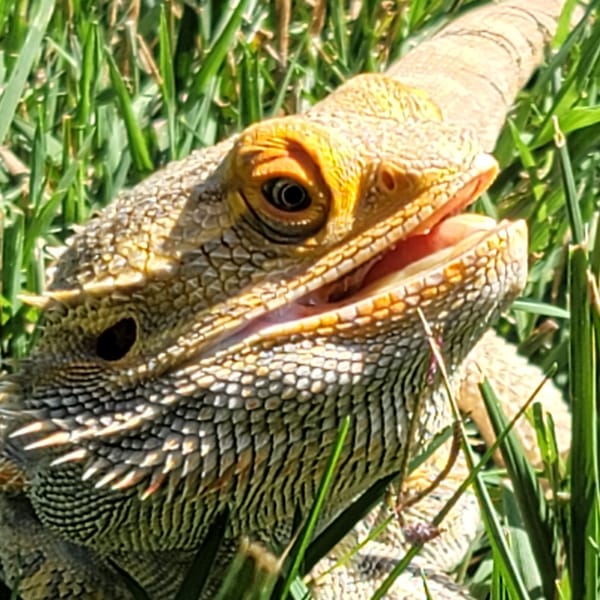
Written by Michael Ryan
Written from Mike’s own two dragons, Dex and Cera.
Mike keeps two rescued bearded dragons, Dex and Cera, and writes the care guides on BeastlyFacts from his own research and mistakes. He is not a veterinarian.
More about Michael Ryan →Comments
No comments yet - be the first!