Common Molly Health Issues (Starting With the 'Shimmy')
On This Page▾

Molly shimmy is the one condition specific to this species, and water quality sits underneath almost everything else on this list too.
Molly Shimmy (The Condition Specific to This Species)
Shimmy is a distinctive side-to-side, almost snake-like rocking motion as the fish swims, and livebearers such as mollies, platies, swordtails, and guppies can all show it. It isn't a disease in itself so much as a sign of stress. Mollies kept in soft or acidic water weaken fairly quickly, and shimmying, fungus and clamped fins are frequent signs of it. Even a small amount of ammonia can cause clamping and shimmying, and crowded or poorly filtered conditions in shops and home tanks add to it. Cold or unstable water and chlorine from untreated tap water can add to the stress.
Fancy mollies specifically carry an extra risk factor here. Most mollies on sale are mass-produced in the Far East, and osmotic shock from moving fish out of salted farm water into home tanks is one of the suspected causes of shimmy, independent of anything the new owner did wrong. Much of the fancy-molly supply is bred overseas, then shipped and sold into home tanks running softer, more neutral freshwater than the farm's, and that mismatch alone can be enough to trigger shimmy in an otherwise healthy-looking fish.
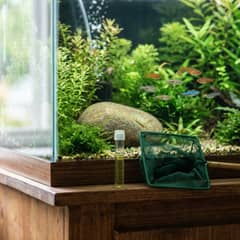
Treatment starts with correcting the environment, not medicating the fish. Raise the temperature toward the upper 70s. Test for ammonia, check and correct pH toward 7.5 to 8.5, and address mineral hardness if your water runs soft, since a mineral supplement like crushed coral or a commercial buffering product can help. Isolating the affected fish in a bare hospital tank with its own net and siphon hose while you sort out the cause is standard practice.
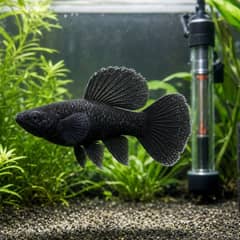
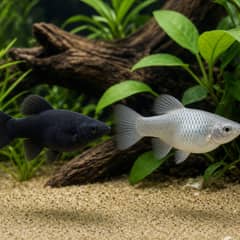
The black molly in most fish shops is not a species of its own. It is an aquarium-bred color morph of the short-finned molly, and some of the lines sold under the name are hybrids with the sailfin molly.
Does a Molly Tank Need Aquarium Salt?
This is worth answering honestly rather than repeating the standard hobbyist line. Mollies come from fresh, brackish and coastal water, and salt in modest doses doesn't harm them. That part isn't folklore. Peer-reviewed research on sailfin mollies shows they can tightly regulate their internal salt and water balance up to roughly 65 parts per thousand, well past typical seawater, with a higher oxygen cost as salinity rises.
Whether a healthy freshwater tank needs salt added at all is the open question. Some keepers recommend a small standing dose, and some use salt during shimmy treatment, with no agreed dose. The one firm figure is the ich bath covered below, 4 to 5 grams per liter for 7 to 10 days. Ted Coletti, director of the American Livebearer Association, holds that mollies "adapt to," rather than "demand," salinity, and livebearer specialist Dr. Joanne Norton argues that salt lets a keeper carry on poor tank-management habits that stay harmful even when the fish survive them. Large, frequent water changes, hard water and good plant cover address the same problems without the downside that salt can inhibit live plant growth and can harm snails at higher concentrations. Treat continuous salt dosing as one legitimate tool rather than a mandatory ingredient, and prioritize water changes and stable parameters first.
If you add salt to a freshwater tank, use plain aquarium salt, which is sodium chloride made for the job. Marine salt mixes are formulated for saltwater tanks and belong in a deliberately brackish molly setup instead. Table salt's iodine and anti-caking agents aren't meant for aquarium use either.
Ich (White Spot Disease)
Small white spots resembling grains of salt across the body and fins, caused by the protozoan parasite Ichthyophthirius multifiliis. The parasite burrows into skin and gills before dropping off to reproduce, and a single organism can produce up to 1,024 daughter parasites in one generation, which is what makes an outbreak escalate quickly. Affected fish are lethargic with clamped fins and visible white dots. Warm the tank slowly to about 82°F, the top of the molly's range, with an air stone running: heat speeds the parasite's cycle, and warm water holds less oxygen, but it does not kill the parasite. The medication does that. At 75 to 79°F the life cycle runs in about 3 to 6 days, so chemical treatments are repeated daily, 3 to 5 times in all, as set out in the ich treatment guide. The alternatives are a salt bath of 4 to 5 grams per liter (about 15 to 19 grams per gallon) for 7 to 10 days, which mollies tolerate easily, or formalin or malachite green, and the water quality issue that let it take hold needs correcting too. Copper sulfate is the last pick: never use it without first testing alkalinity, and not at all if alkalinity is below 50 mg/L.
Velvet
A dusty coating caused by the protozoan parasite Piscinoodinium (also called Oodinium) in freshwater tanks. It shows as a fine, gold or rust-colored layer on the body. Symptoms include appetite loss, lethargy, and scratching against decor, and it spreads quickly between fish if it isn't caught early, so isolate affected individuals where possible. Copper sulfate and chloroquine (for non-food fish) are the usual treatments, and the same alkalinity caution applies to copper here as with ich.
Fin and Tail Rot
Ragged, frayed, or discolored fin edges, a bacterial problem usually tied to poor water quality, ammonia buildup, or an untreated injury. Fixing the water, the diet and the setup is the main treatment. Antibiotics are rarely needed, because the drug struggles to reach the edges of the fins, so a fish vet handles a stubborn case. Once the infection clears, the fin starts to regrow.
Dropsy
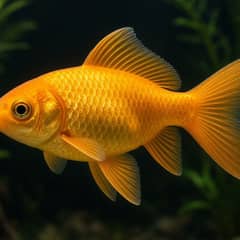
Fluid buildup in the abdomen that makes the scales stand out in a raised, pinecone-like pattern, which is a sign with several causes rather than a single disease. A bacterial infection with Aeromonas, the most common bacterial infection of freshwater aquarium fish, is one of them, and stress, poor water quality and overcrowding make it more likely. Some causes respond to treatment and others do not, and the outlook is often poor once the scales have lifted.
Swim Bladder Disorder
Buoyancy problems: floating, sinking, or swimming at odd angles. The balloon form of molly, bred with a rounded body, can have swim bladder and digestive problems built into its shape, and may die early because of it. Keepers also commonly link buoyancy problems to overfeeding or constipation, and commonly fast the fish for a day or two before returning to normal, appropriately portioned feeding.
The Husbandry Pattern Worth Remembering
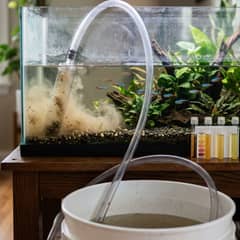
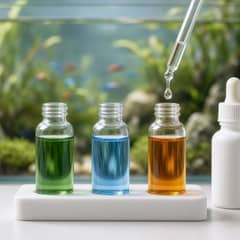
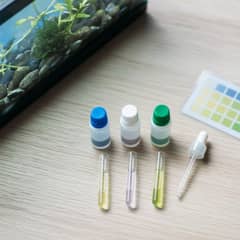
Stress, poor or unstable water quality, overcrowding, and skipping quarantine are the common thread behind nearly every condition on this list, not just shimmy. A properly cycled tank, a stable temperature held with a reliable aquarium heater, and regular partial water changes using a water conditioner prevent far more than any medication does after the fact. For mollies that routine is 25 to 30% a week from the substrate, with conditioned water at tank temperature and nitrate tested first: under 20 ppm the schedule is right, and past 40 ppm the next change is 50%. A water test kit that lets you catch an ammonia or pH problem before it becomes a visible symptom is one of the more useful things a new molly owner can own.
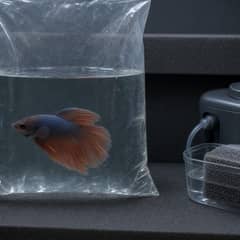
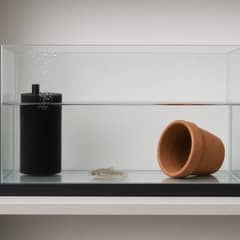
Quarantining new fish for at least 30 days before adding them to an established tank catches most problems, shimmy included, before they spread. A modest separate tank with its own gentle sponge filter is worth setting up for this, and it doubles as a place to isolate a sick fish or treat shimmy later.
Ich and similar parasites aren't unique to mollies either, our Guppy health issues guide covers how the same water-quality-driven pattern plays out in that closely related species, minus the shimmy and salt questions that are more distinctly a molly concern.
Uneaten food is a common and avoidable driver of the water-quality decline behind most of these conditions.
Check the Molly encyclopedia profile for more.
Sources & Further Reading
Last reviewed 24 Sep 2026 · 5 sources
- UF/IFAS Extension: Ichthyophthirius multifiliis (White Spot) Infections in Fish
- Merck Veterinary Manual: Parasitic Diseases of Fish; Disorders and Diseases of Fish
- Seriously Fish: Short-finned Molly (Poecilia sphenops)
- Gonzalez, Cooper & Head (2005): Physiological Responses to Hyper-Saline Waters in Sailfin Mollies
- Jessie Sanders, DVM, Aquatic Veterinary Services: Fin Rot in Pet Fish

Log weight, feeding and meds, so your vet has the full picture. The Universal Pet Kit has it, among 19 forms for any pet that you can type into or print.
Frequently Asked Questions
What is "molly shimmy" and what causes it?
A distinctive side-to-side, snake-like rocking swim. It's a symptom of stress rather than a disease on its own, seen in mollies kept in soft or acidic water and in tanks with even small amounts of ammonia. Fancy mollies bred overseas in salted farm water and sold into soft home tap water may also suffer osmotic shock and seem especially prone to it.
Do mollies need aquarium salt to prevent or treat shimmy?
It's disputed. Mollies tolerate salt well and some keepers use it during treatment, while others hold that hard water, consistent water changes and stable parameters fix shimmy without it, and that salt can mask poor maintenance, hinder live plants and harm snails at higher concentrations. Correcting hardness, pH and ammonia first is the step both camps share.
What is ich and how do you treat it in mollies?
Small white spots like grains of salt on the body and fins, caused by the parasite Ichthyophthirius multifiliis. Warm the tank slowly to about 82°F, the top of the molly's range, with strong aeration to speed the parasite's cycle, then let medication do the killing: a prolonged salt bath, formalin, or malachite green. Copper sulfate is the last pick, since it needs an alkalinity test first.
What is dropsy and can it be treated?
Dropsy is swelling of the abdomen that pushes the scales out like a pinecone. It is a sign with several causes, one of them a bacterial infection that thrives when water quality is poor or fish are stressed, so correcting the water comes first. Some causes respond to treatment, but the outlook is often poor once the scales have lifted.
How do I prevent most molly health issues in the first place?
A properly cycled tank, stable temperature, and regular partial water changes prevent far more than any medication does after the fact. Quarantining new fish for at least 30 days before adding them to an established tank catches most problems, including shimmy, before they spread.
Can I use marine salt mix instead of aquarium salt?
Not to dose a freshwater tank. Aquarium salt is plain sodium chloride made for that job. Marine salt mixes contain buffers and trace minerals formulated for saltwater tanks, so they aren't a substitute for aquarium salt in a freshwater tank, and molly keepers use them only in a deliberately brackish setup. Table salt contains iodine and anti-caking agents that aren't meant for aquarium use.
More on the Molly
Recommended Gear
As an Amazon Associate I earn from qualifying purchases through the links above, at no extra cost to you.

Written by Michael Ryan
Mike keeps two rescued bearded dragons, Dex and Cera, and writes the care guides on BeastlyFacts from his own research and mistakes. He is not a veterinarian.
More about Michael Ryan →You May Also Like
Subscribe - it's free
An occasional email when something new is worth your time. No spam.
Deep Dive
Health and More