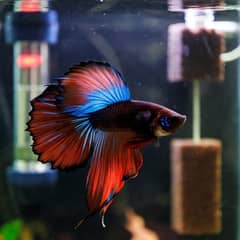
How Much Does Molly Fish Ownership Really Cost?
On This Page▾

Mollies are inexpensive fish that ask for a moderately-sized setup, a step up from a guppy's basic 10-gallon starting point, but still an affordable species overall.
The Fish: $2 to $20, More for Specialty Strains
Common short-fin varieties, black, silver, and dalmatian mollies, run about $2 to $8 each, and a six-pack lands nearer $4 a fish. Balloon and lyretail mollies run a bit higher, about $6 to $7 each or $6 a fish in a six-pack. Rarer specialty color strains can reach $15 to $20 or more from specialty sellers.
A $5 black molly and a $20 neon lyretail molly are the same basic care requirements underneath the color and fin differences. The price gap is almost entirely about selective breeding for looks, sailfin varieties and fancier fin shapes tend to need a bit more swimming room, but day-to-day care doesn't change much across the price range.
Upfront Setup: $130 to $260
| Item | Cost Range |
|---|---|
| 20-gallon tank | $50 - $150 |
| Aquarium heater | $15 - $30 |
| Filter sized to tank & bioload | $45 - $60 |
| Aquarium salt (optional, long-lasting) | $22 |

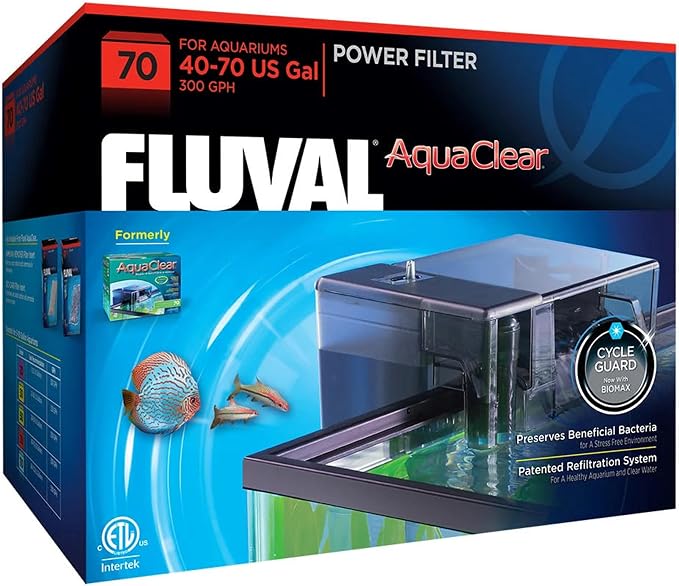
Mollies need more room than a guppy: 20 gallons is the real minimum, not the 10-gallon starting point that works for a small guppy group, and sailfin varieties need 30 gallons or more. That bigger water volume also means a bigger bioload, so the filter needs real turnover capacity rather than the gentle sponge filter that suffices for guppies, and the aquarium filtration guide works through the turnover math and how to size a filter to a bioload. A basic setup, tank, filter, heater, and starter supplies, commonly runs $130 to $260 depending on the brands you choose. A sponge filter is the alternative if you'd rather prioritize a breeding-friendly tank over raw filtration capacity.
Whether aquarium salt belongs in a healthy molly tank at all is disputed, and it is a one-off line on this budget either way. A 65-ounce container of aquarium salt runs about $22 and treats up to 434 gallons, so a single container is effectively a multi-year supply for one tank rather than a recurring cost. Whether you need it is a more nuanced question than the price tag.
Ongoing Costs: $20 to $30 a Month
| Item | Annual Cost |
|---|---|
| Flake/pellet food with real vegetable content | $25 - $50 |
| Water conditioner | $10 - $15 |
| Water test kit (periodic refill) | $25 - $40 |
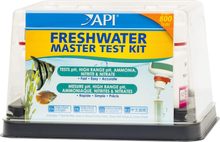
Food, water conditioner, occasional filter media replacement, and electricity for the heater and filter make up the bulk of the monthly cost. Taken together, a 20-gallon setup's full monthly upkeep commonly lands around $20 to $30. Mollies need real vegetable content in their diet, not just protein, and skimping on that side of the diet is one of the most common molly-specific mistakes.
Prices last checked September 2026 at LiveAquaria and Walmart. Retail prices move; treat the tables as a snapshot, not a quote.
Vet Costs
As with most aquarium fish, mollies rarely see a vet in any traditional sense. Most molly health issues, things like ich, fin rot, and the species' well-known "shimmy," get managed at home with water quality correction and over-the-counter medication rather than a clinic visit. Dedicated aquatic vets exist but are uncommon and rarely necessary for a species this hardy.
Lifespan
3 to 5 years on average, up to 5 to 7 years with excellent, stable water quality. That's a similar range to guppies, though mollies get there on a bigger, somewhat pricier setup.
The Cost to Plan For: More Mollies Than You Started With
This is the detail that catches new owners off guard, and it's the same one that trips up new guppy owners. Mollies are livebearers, females give birth to live, free-swimming fry rather than laying eggs, and they breed readily in a mixed-sex tank. A single female can produce roughly 20 to 60 fry per brood, with a documented range as wide as 10 to over 100 depending on the female's age and the source, about every 4 to 6 weeks, and she doesn't need a fresh mating for every litter.
Put males and females in the same tank with no plan, and you'll have meaningfully more mollies within a couple of months than you started with, which means more tank space, more filtration, and more of every ongoing cost listed above.
The molly also shows up alongside the platy and swordtail in our roundup of Three Livebearers That Breed Whether You Plan to or Not.
For more on the species, check the Molly encyclopedia profile.
Sources & Further Reading
❓ Frequently Asked Questions
How much does a molly fish cost?
Common short-fin varieties, black, silver, and dalmatian mollies, run about $2 to $8 each, nearer $4 a fish in a six-pack. Balloon and lyretail varieties run closer to $6 to $7, and rarer specialty color strains can reach $15 to $20 or more.
What does a basic molly tank setup cost?
A 20-gallon setup, tank, filter, heater, and basic supplies, commonly runs $130 to $260. That's higher than a guppy's typical 10-gallon starting point, mainly because mollies need more swimming room and a filter rated for a bigger bioload from the start.
What are the ongoing costs of keeping mollies?
Modest. Food with real vegetable content, water conditioner, and occasional test kit refills make up most of the monthly cost, with electricity for the heater and filter adding a little more. A 20-gallon setup's full monthly upkeep, food, conditioner, and electricity combined, commonly lands around $20 to $30.
How long do mollies live?
3 to 5 years on average, and 5 to 7 with excellent, stable water quality. Guppies land in a similar range, but a molly gets there on a bigger, pricier setup.
Why does a molly setup cost more than a guppy setup?
Mainly tank size and filtration. Guppies get by in a 10-gallon tank with gentle sponge filtration, but mollies are bigger fish that need a genuine 20-gallon minimum and a filter with more real turnover capacity to handle the extra bioload, especially once a colony starts breeding.
What's the cost new molly owners usually forget to plan for?
More mollies than they started with. Like guppies, mollies are prolific livebearers, a single female can produce dozens of fry per brood roughly every 4 to 6 weeks. Mixing males and females with no population plan means more tank space, more filtration, and more of every ongoing cost above within a couple of months.
📰 More on the Molly
📘 Molly care guide
🐠 Mollies Aren't Handled Either, But They Do Need a Breeding Plan
🐠 Common Molly Health Issues (Starting With the 'Shimmy')
🐠 Molly Tank Setup: A Real 20 Gallons, Sturdy Filtration, and the Salt Question
🐠 Molly Feeding: Schedule, Diet, and Why Vegetables Matter
🐠 Molly Enrichment: The Biggest Livebearer Needs Room to Graze
🛒 Recommended Gear
As an Amazon Associate, we earn from qualifying purchases through the links above - at no extra cost to you.

Written by Michael Ryan
Mike keeps two rescued bearded dragons, Dex and Cera, and writes the care guides on BeastlyFacts from his own research and mistakes. He is not a veterinarian.
More about Michael Ryan →Comments
No comments yet - be the first!