Molly Tank Setup: A Real 20 Gallons, Sturdy Filtration, and the Salt Question
On This Page▾

Mollies need more room and sturdier filtration than a guppy from day one, and they raise a question guppies never do: whether the water needs a little aquarium salt in it.
Tank Size
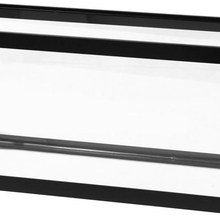
20 gallons is the real minimum for a small group, a step up from the 10-gallon tank that works fine for guppies. Mollies simply run bigger as adults, and a colony that starts breeding adds to the bioload fast. Sailfin varieties, or any growing group, do better in 30 gallons or more. Go long and rectangular rather than tall, and use a lid, mollies are capable jumpers.
A 20-gallon long tank is a solid starting point for most first-time molly keepers.
Temperature
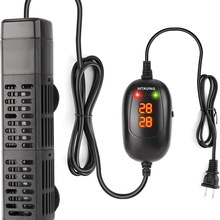
A tropical range of 72 to 82°F works well. Stability matters more than hitting an exact number, avoid swings larger than about 2°F in a 24-hour period, since temperature instability is one of the more commonly cited triggers behind the molly "shimmy." A heater is necessary unless your room stays consistently warm year-round.
Water Chemistry
Mollies do best with a pH of 7.5 to 8.5 and medium-hard to hard water. If your tap water runs soft, a mineral supplement, crushed coral or a commercial buffering product, can bring it into range, and the freshwater pH, GH and KH guide explains why KH is the parameter doing the work there and why dosing pH-down against a hard buffer crashes tanks.
The Salt Question, Answered Honestly
This is the detail that separates molly care from guppy care, and it deserves a straight answer rather than a repeated hobbyist talking point. Mollies are a brackish-tolerant, euryhaline species: peer-reviewed research on sailfin mollies shows they can tightly regulate their internal salt balance up to roughly 65 parts per thousand, well beyond typical seawater strength, without major physiological stress. That's real biology, not an old wives' tale.
"Euryhaline" means a species can tolerate a wide range of salinities, and mollies are one of the more striking examples of it among common aquarium fish. Wild populations turn up in everything from coastal saltwater lagoons to freshwater roadside ditches, sometimes just a short distance apart.
Where it gets genuinely contested is whether a healthy freshwater display tank needs salt added as standard practice. Some sources recommend a small maintenance dose. Others, including longtime livebearer specialists, argue mollies "adapt to" salinity rather than requiring it, and that sufficiently large, frequent water changes and good live plant cover accomplish the same thing salt is usually reached for, without salt's real downsides: it can inhibit live plant growth and harm snails at higher concentrations. Salt does show up specifically in shimmy treatment, a commonly cited dose there is 1 tablespoon of aquarium salt per 5 gallons in a hospital tank, but that's a targeted treatment context, not necessarily a standing requirement for every molly tank.
If you do decide to add salt, the type matters. Use plain aquarium salt, additive-free sodium chloride, never a marine or reef salt mix, which carries buffers formulated for full saltwater tanks, and never table salt, which contains iodine and anti-caking agents that aren't meant for fish.
Filtration
Mollies need more real filtration capacity than guppies. They're bigger fish producing more waste, and a breeding colony compounds that quickly. For a standard or growing group, a hang-on-back filter or a stronger canister filter handles the bioload comfortably. PetMD's general guidance is a filter that can turn over the full tank volume at least four times an hour.
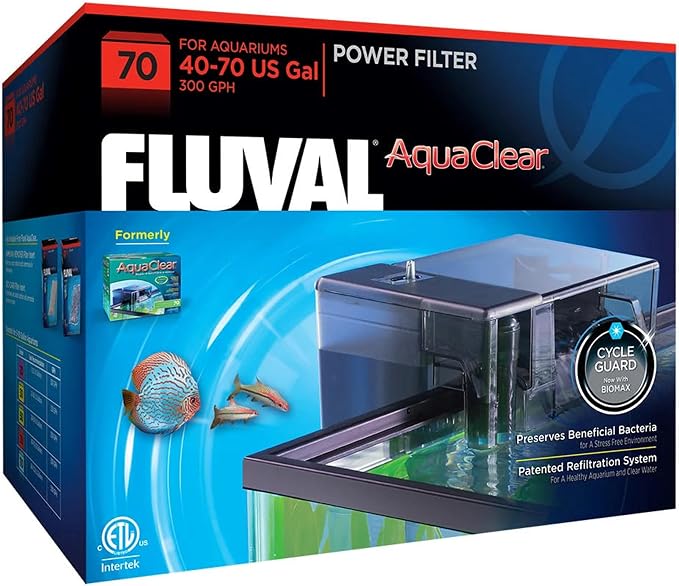
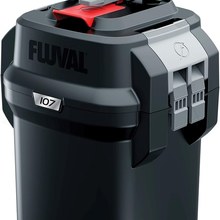
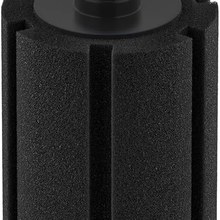
If fry survival is the priority instead, for example a dedicated breeding or nursery tank, a gentle sponge filter is the better call, since it won't pull small fry into strong current the way a power filter can. Which one you pick is really a question of what you're optimizing for, raw filtration capacity for a larger display group, or fry-safe gentleness for a breeding setup.
Substrate
Fine gravel or sand both work well. Avoid sharp or coarse gravel, which can damage fins, especially on longer-finned sailfin and lyretail varieties.
Lighting
A basic LED light on an 8 to 10 hour daily cycle is sufficient. It isn't strictly necessary for the fish's health, but it supports live plants and makes for better viewing.
The Two Non-Obvious Requirements
Cycle the tank before adding fish. Building the beneficial bacteria colony that processes waste takes 2 to 4 weeks with a fishless cycle, or somewhat less with a bottled bacteria product. Skipping this step is one of the most common beginner mistakes in the hobby generally, and it's a fast route to the ammonia-driven stress that shows up as shimmy.
Always use a water conditioner on tap water before it goes in the tank, dechlorinating and neutralizing chloramine and heavy metals that are otherwise harmful to fish, and chlorine exposure specifically is one of the recognized shimmy triggers. A water test kit lets you confirm the cycle actually finished and catch drift afterward.
Dense live plants aren't just decoration in a molly tank either, they're a real population-control lever. Molly parents don't look after their fry, and adults will eat them given the chance. If you're allowing your mollies to breed, dense live plants give fry somewhere to hide from adults, meaningfully improving survival. If you'd rather your population stay naturally controlled, skipping dense cover lets normal predation keep numbers in check instead, the same lever our Guppy tank setup guide covers for that closely related species.
The Molly encyclopedia profile has more on the species itself.
Sources & Further Reading
Last reviewed 15 Sep 2026 · 5 sources
- PetMD: Molly Fish Care Sheet
- Aquarium Co-Op: Care Guide for Mollies
- Tropical Fish Hobbyist: The Fancy Molly Part 2, Proper Care and the Salt Myth
- Tankarium: Aquarium Salt Vs Epsom Salt Vs Sea Salt Vs Table Salt
- Gonzalez, Cooper & Head (2005): Physiological Responses to Hyper-Saline Waters in Sailfin Mollies
❓ Frequently Asked Questions
What size tank does a molly need?
20 gallons is the minimum for a small group, noticeably more than the 10-gallon starting point that works for guppies. Sailfin varieties, or any growing colony, do better in 30 gallons or more. Go long and rectangular over tall, and use a lid, mollies can jump.
What temperature do mollies need?
Tropical, 72 to 82°F. Steadiness beats precision here: keep swings under about 2°F in a day. A submersible heater is necessary unless the room stays warm year-round.
What water chemistry do mollies need?
pH 7.5 to 8.5 in medium-hard to hard water. Soft tap water can be brought up with crushed coral or a commercial buffering product, without necessarily reaching for salt.
Do mollies need aquarium salt in their tank setup?
Not strictly, and this is more debated than most molly care advice lets on. Mollies are a real brackish-tolerant species biologically, but whether a healthy freshwater tank needs salt added is disputed among experienced keepers, some argue good water changes and stable parameters do the same job without the downsides salt carries for live plants and snails.
What kind of filtration is best for a molly tank?
Something with real turnover capacity, mollies are bigger fish with a heavier bioload than guppies, and a breeding colony adds to that fast. A hang-on-back or canister filter suits a larger or growing group; a gentle sponge filter is the better call specifically if you're prioritizing fry survival, since it won't pull small fry into strong current.
Do I need to cycle a molly tank before adding fish?
Yes. A fishless cycle takes 2 to 4 weeks to build the bacteria colony that processes waste, less with a bottled bacteria product. Skip it and you get ammonia-driven stress, which shows up as shimmy and other problems; it's among the most common beginner mistakes in the hobby.
📰 More on the Molly
📘 Molly care guide
🐠 How Much Does Molly Fish Ownership Really Cost?
🐠 Mollies Aren't Handled Either, But They Do Need a Breeding Plan
🐠 Common Molly Health Issues (Starting With the 'Shimmy')
🐠 Molly Feeding: Schedule, Diet, and Why Vegetables Matter
🐠 Molly Enrichment: The Biggest Livebearer Needs Room to Graze
🛒 Recommended Gear
As an Amazon Associate, we earn from qualifying purchases through the links above - at no extra cost to you.
Written by Michael Ryan
Mike keeps two rescued bearded dragons, Dex and Cera, and writes the care guides on BeastlyFacts from his own research and mistakes. He is not a veterinarian.
More about Michael Ryan →Comments
No comments yet - be the first!