Oscar Fish Feeding: Schedule, Diet, and Why Feeder Goldfish Are a Mistake
On This Page▾

Oscars will beg for food constantly and are easy to overfeed, but the single most damaging mistake with this species isn't portion size, it's building the diet around live feeder goldfish.
The Staple Diet
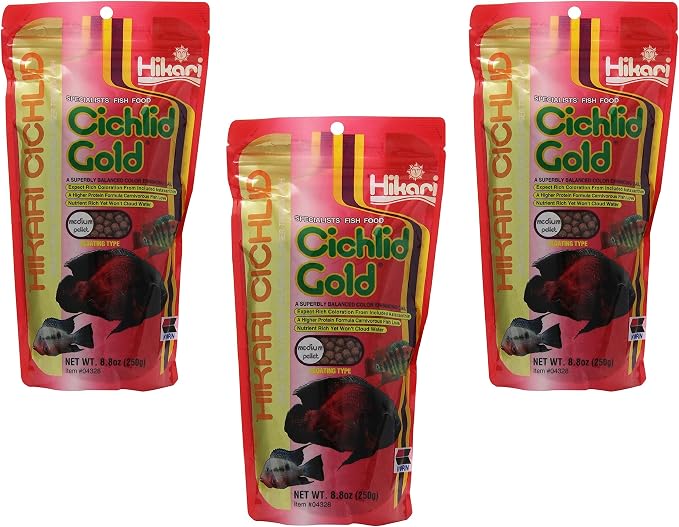
Oscars are protein-preferring omnivores. The staple should be a high-quality cichlid pellet, commonly cited at 35 to 45% protein, making up roughly 80% of the diet, sized appropriately for the fish. Supplement the remaining 20% with frozen or fresh items such as shrimp, krill, earthworms, mysis, and occasional plant matter like peas or zucchini. Variety here prevents dietary monotony and deficiency.
Feeding Frequency and Portions
Babies under 3 to 4 inches eat 3 times daily. Juveniles around 3 to 8 inches eat twice daily. Adults over about 8 inches, or a year old, eat once or at most twice daily. Feed only what's eaten in 2 to 3 minutes and remove anything uneaten.
A healthy oscar has a slightly rounded, not bulging, belly. They beg constantly and are genuinely easy to overfeed, many keepers fast adults one day a week to keep portions honest.
Foods to Avoid
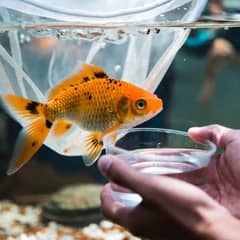
Live feeder goldfish and rosy-red minnows shouldn't be a staple. Feeder fish species commonly carry thiaminase, an enzyme that breaks down vitamin B1, and without adequate B1, symptoms include lethargy, weight loss, nerve control problems, and eventually heart failure and death. Feeder fish also carry a real risk of parasites, disease, and excess fat. Avoid mammalian meats like beef heart too, oscars digest them poorly and it can contribute to fatty liver disease. Overfeeding and low dietary variety are risks on their own, independent of any single bad food.
Supplementation
No separate supplement is needed if fed a quality, varied diet. Vitamin C and vitamin-fortified foods matter for preventing lateral-line disease specifically, and some keepers soak food in vitamin supplements when actively addressing Hole-in-the-Head disease, but the underlying fix is a balanced pellet plus varied whole foods rather than added powders.
The Mistakes That Matter
A feeder-goldfish-based diet risks thiamine deficiency, fat accumulation, and introducing parasites or disease, all from a food source that seems natural but genuinely isn't a good staple.
What drives Hole-in-the-Head disease is not settled. Overfeeding and uneaten food fouling the water, water quality and bacterial load, and a monotonous, low-vitamin diet are all implicated, and none of them has been shown to lead. Cover every side of it: weekly 25 to 30% water changes with nitrate under about 40 ppm, and real variety in the food.
The Oscar Fish encyclopedia profile has the natural history.
Sources & Further Reading
Last reviewed 15 Sep 2026 · 2 sources
- Aquarium Co-Op: Care Guide for Oscar Fish
- Practical Fishkeeping: What you need to know about predator fish and thiaminase
- Tropical Fish Hobbyist: Feeding Oscars in the Home Aquarium
❓ Frequently Asked Questions
What should oscars eat as their staple diet?
About 80% cichlid pellet, sized for the fish, at the 35 to 45% protein commonly cited for this species. The other 20% is frozen or fresh food: shrimp, krill, earthworms, mysis, with peas or zucchini occasionally.
How often should I feed my oscar?
Babies under 3 to 4 inches, 3 times daily. Juveniles around 3 to 8 inches, twice daily. Adults over about 8 inches or a year old, once or at most twice daily. Feed only what's eaten in 2 to 3 minutes, and remove anything left over.
Can I feed my oscar live feeder goldfish?
Don't make it a staple. Feeder goldfish and rosy-red minnows commonly carry thiaminase, an enzyme that destroys vitamin B1, along with real parasite and disease risk and excess fat. A thiamine deficiency shows up as lethargy, weight loss, and nerve problems, and it can eventually be fatal.
What is Hole-in-the-Head disease and is it caused by diet?
It's a real degenerative condition (HITH/HLLE) associated with poor water quality and nutritional deficiency, particularly vitamin C, D, and essential fatty acids. Some sources argue water quality is the dominant driver rather than diet specifically, but the safe response covers both: clean water plus a varied, quality diet without feeder goldfish.
How much should a healthy oscar's belly look like?
Slightly rounded, not bulging. Oscars beg constantly, so many keepers fast an adult one day a week to keep portions honest.
Do oscars need vitamin supplements?
No separate product is needed on a quality, varied diet. Vitamin C and vitamin-fortified foods matter for preventing lateral-line disease, but the balanced pellet and varied whole foods do that job, not added powders.
📰 More on the Oscar Fish
📘 Oscar Fish care guide
🐠 How Much Does Oscar Fish Ownership Really Cost?
🐠 Oscar Fish Aren't Handled, But They're the Closest Thing to a Pet Dog in Your Tank
🐠 Common Oscar Fish Health Issues (Hole-in-the-Head Is the One to Know)
🐠 Oscar Fish Tank Setup: Bigger and More Filtered Than You Expect
🐠 Oscar Enrichment: The Fish That Rearranges the Tank Itself
🛒 Recommended Gear
As an Amazon Associate, we earn from qualifying purchases through the links above - at no extra cost to you.
Written by Michael Ryan
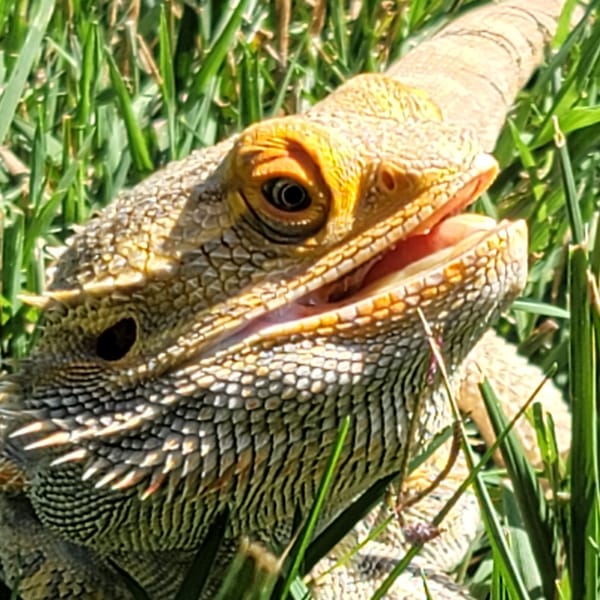
Mike keeps two rescued bearded dragons, Dex and Cera, and writes the care guides on BeastlyFacts from his own research and mistakes. He is not a veterinarian.
More about Michael Ryan →Comments
No comments yet - be the first!