Molly Enrichment: The Biggest Livebearer Needs Room to Graze
On This Page▾

Mollies get sold beside guppies and platies as if they were the same fish in a different color. They are noticeably bigger, considerably more herbivorous, and fussier about water.
Two decisions carry this species. Sex ratio, because the harassment research that shapes livebearer stocking was partly done on a molly, and grazing surface, because a molly grazes algae and biofilm continuously and a spotless tank gives it nothing to do.
What the Research Says
The relevant thread is sexual harassment in livebearers, covered in full in our Guppy enrichment guide, and part of it is molly research directly.
In Poecilia mexicana, a molly, males attempt to mate almost constantly while females are mostly non-responsive to male approaches. Females flee from this harassment, are more vigilant in the presence of males, and consequently have hampered feeding opportunities.
The wider guppy literature identifies energy expenditure and reduced foraging ability as direct costs to females, and one study found effects reaching the next generation, with high-harassment females producing smaller daughters and less successful sons.
The vigilance finding is the one that connects to the grazing section below. A female molly spending her time watching for males is a female molly not spending it grazing, and for a fish whose whole feeding strategy is continuous grazing, that is a bigger loss than it would be for a fish that eats in bursts.
Sex Ratio
Two to three females per male minimum, and more females is better. An all-male group also works and avoids the fry entirely, with the caveat that male mollies squabble among themselves more than male guppies do, so it needs space and numbers rather than a trio.
The default failure is the same as with guppies: buying on color, ending up male-heavy.
Grazing Surface
The molly-specific item. They are the most herbivorous of the common livebearers and work surfaces all day.
Dense live planting, driftwood, rock and any surface that grows biofilm all give them something to graze. A tank scrubbed spotless every week and fed a pinch of flake is the impoverished version.
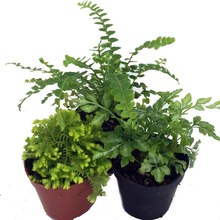
Supplement with vegetable-based foods and blanched vegetables, never a purely protein diet.
Hard Water, Not Necessarily Salt
The advice to add salt to a molly tank is a crude proxy for what they actually want: hard, alkaline, mineral-rich water.
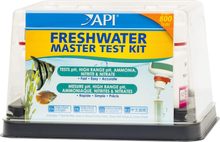
Get the hardness right and the salt question mostly disappears. A water test kit is worth having here, because most of this species' reputation for being delicate traces to being kept in water suited to a soft-water fish. Hardness and alkalinity are separate numbers that move together, and the freshwater pH, GH and KH guide is where the difference between GH and KH is worked through.
Space
Bigger than the livebearer shelf implies. Some varieties reach a size that makes a small tank inadequate before you count fry, and a 20 gallon long is a sensible floor rather than a generous one.
Plan for the population. A mixed-sex molly tank produces broods regularly and mollies are big enough that overstocking hits water quality faster than it does with guppies.
Cover for Females
Dense planting including floating plants, so a female being pursued can break line of sight and rest.
That is what cover is for in a livebearer tank. It also lets fry survive at a manageable rate, not all or none.
Feeding Across the Tank
Spread food instead of dropping it in one corner, so females that are being chased still eat. It is the direct practical answer to the vigilance finding.
Priority Order
- At least two to three females per male, or an all-male group with space
- Hard, alkaline, mineral-rich water
- Grazing surface: planting, wood and biofilm left to grow
- A tank sized for a large livebearer plus fry
- Dense cover including floating plants
- A vegetable-leaning diet, fed across the tank
- A plan for the population
What Not to Do
Do not stock on color and end up male-heavy. Do not keep mollies in soft water and conclude they are delicate. Do not scrub every surface spotless for a grazing fish. Do not keep them in a tank chosen for guppies. Do not feed a purely protein diet.
The platy, swordtail and molly overview sets the molly beside the other two common livebearers, where its salt tolerance is the trait that separates it.
Sources & Further Reading
3 sources
- Borrowed evidence, partly from a molly. The livebearer harassment findings below are covered in full in our Guppy enrichment guide, and the Poecilia mexicana work is molly research directly.
- Cross-generational effects of sexual harassment on female fitness in the guppy. PubMed
- Male harassment reduces short-term female fitness in guppies
- Livebearer care guide. Aqueon
❓ Frequently Asked Questions
Is there research relevant to molly welfare?
Yes, and some of it was done on a molly. Work on Poecilia mexicana found males attempt to mate almost constantly while females are largely non-responsive, so females flee, become more vigilant and have hampered feeding opportunities.
What sex ratio should I keep?
At least two to three females per male, and more females is better. An all-male group is the other clean answer, though male mollies can squabble more than male guppies, so it needs space.
Why does grazing matter so much for mollies?
They are the most herbivorous of the common livebearers and graze algae and biofilm more or less continuously. A spotless tank with a pinch of flake twice a day removes most of what a molly does with its day.
Do mollies need salt?
Not necessarily, and they do need hard, alkaline, mineral-rich water. The salt recommendation is a blunt version of that. Getting the hardness right matters more than adding salt to soft water.
How big a tank do they need?
Bigger than most livebearer advice suggests. Mollies are the largest of the common livebearers, and a 20 gallon long is the floor rather than a generous starting point, before you count the fry.
Why do my mollies keep getting sick?
Most often soft water, unstable parameters, or an overstocked tank after a few broods. Mollies have a reputation for being delicate that mostly traces back to being kept in conditions suited to a guppy.
📰 More on the Molly
📘 Molly care guide
🐠 How Much Does Molly Fish Ownership Really Cost?
🐠 Mollies Aren't Handled Either, But They Do Need a Breeding Plan
🐠 Common Molly Health Issues (Starting With the 'Shimmy')
🐠 Molly Tank Setup: A Real 20 Gallons, Sturdy Filtration, and the Salt Question
🐠 Molly Feeding: Schedule, Diet, and Why Vegetables Matter
🛒 Recommended Gear
As an Amazon Associate, we earn from qualifying purchases through the links above - at no extra cost to you.
Written by Michael Ryan
Mike keeps two rescued bearded dragons, Dex and Cera, and writes the care guides on BeastlyFacts from his own research and mistakes. He is not a veterinarian.
More about Michael Ryan →Comments
No comments yet - be the first!