Molly Feeding: Schedule, Diet, and Why Vegetables Matter
On This Page▾

Mollies get a large part of their diet from plants and algae, so a menu with no plant food at all leaves out most of what they naturally eat. Skipping the vegetable side of that diet is the molly-specific feeding mistake to avoid.
Feeding Schedule by Life Stage
- Fry (newborn to several weeks) and juveniles: The highest feeding frequency of any stage, since tiny stomachs need frequent refueling to keep pace with early growth: at least 3 to 5 times a day for fry, in small amounts. Because mollies are livebearers, fry are born larger and more developed than the fry of egg-laying species, so they accept newly hatched baby brine shrimp or powdered flake from birth and can go straight onto crushed flake rather than needing infusoria first. Juveniles get more frequent, higher-protein feeding than adults, tapering toward adult portions as they approach full size, though this stage is less precisely documented across sources than fry or adult feeding, so treat exact numbers as approximate. Young fish take a larger ration for their body weight than adults, up to about 5% of body weight against about 3% for an adult.
- Adults: At least once a day. Once or twice a day is a common range. The portion rule matters more than the exact frequency: feed only what's fully cleared within a minute or two.
What Mollies Eat
The sailfin molly is almost entirely a plant eater in the wild, grazing algae and other plant material and taking aquatic invertebrates such as mosquito larvae on the side. The short-finned molly is an omnivore that feeds on worms, small crustaceans and insects as well as plants, but it still needs a large share of plant food. That balance should carry over into the tank: a high-quality flake or pellet formulated for tropical community fish as the base, with plant food layered on top rather than treated as optional.
Sailfin males that get too little greenstuff may not develop their full sail-like dorsal fin. Pellets tend to hold together in the water longer than flake, which is lighter and breaks down and disperses faster. For a species that needs consistent vegetable and algae intake, a quality pellet or algae wafer is often a more reliable staple than flake alone.
Spirulina flake and pellets make good staples, and blanched vegetables are popular additions: rotate in lettuce, cooked spinach, zucchini, cucumber, and peas two to three times a week, cut small and left in the tank only long enough to be grazed on. Protein-rich foods, bloodworms, brine shrimp, and similar live, frozen, or freeze-dried options, should stay a supplement rather than a staple, with bloodworms once or twice a week at most.
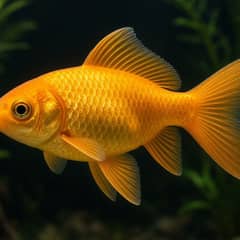
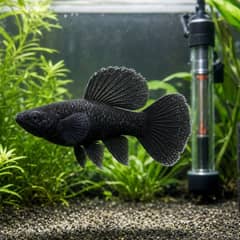
What food can do for a molly's color depends on the color. A black molly's black is melanin, a pigment the fish makes for itself, and no diet deepens it. The oranges and yellows of gold and orange forms are carotenoid color, which a fish can only get by eating it, so those are the mollies a carotenoid-rich food can brighten.
Safe Treats and Foods to Avoid
Safe: quality flake or pellet with real plant content, spirulina flake, blanched lettuce and cooked spinach, and occasional bloodworms or brine shrimp as a protein supplement. Algae wafers and blanched zucchini, spinach, cucumber, lettuce, and peas are safe too.
Avoid feeding an all-protein diet with no vegetable or algae component at all. Over time it can lead to digestive and bloating problems. Beyond that, the general aquarium-keeping rules apply: skip spoiled or expired food, and don't refeed frozen food that's already been thawed and left sitting out, that encourages bacterial growth in the tank.
Why Mollies Stop Eating
- Stress. New-tank relocation, aggressive tankmates, and an imbalanced male-to-female ratio are common triggers. Several females per male reduces the chasing and harassment that comes with too many males pursuing too few females.
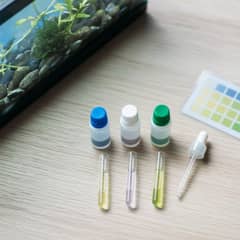
- Poor or unstable water quality. Ammonia or nitrite spikes and incorrect pH are common causes of both appetite loss and lethargy in freshwater aquarium fish generally, worth testing for directly rather than waiting out.
- Cold water. Mollies are a tropical species, and cold water slows metabolism directly, which shows up as lethargy and reduced appetite along with a weakened immune response.
- Impending birth. A female close to giving birth may eat less in the day or so beforehand, from reduced stomach capacity and a shift toward finding a place to deliver. Appetite typically returns quickly afterward.
- Illness. Ich, velvet, and similar conditions are usually accompanied by other visible signs, not appetite loss alone.
What's worth acting on regardless of exact duration: appetite loss combined with lethargy, hiding, clamped or discolored fins, visible spots, or unusual swimming, including the side-to-side "shimmy" this species is known for. Any of those together are a signal to check water parameters immediately rather than wait it out.
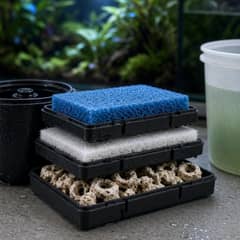
Overfeeding is the easiest risk to avoid: uneaten food breaking down in the tank is a common driver of the water-quality decline behind most other molly health issues, the shimmy among them. Steady filtration and a regular water-change habit keep that from compounding. Overfeeding is a bigger practical risk than any of the above, and keepers commonly link it to constipation and swim bladder problems. Mollies also need a more plant-heavy diet than many fish, so plant food belongs in the weekly rotation.
Check the Molly encyclopedia profile for more.
Sources & Further Reading
Last reviewed 6 Sep 2026 · 5 sources
- Seriously Fish: Short-finned Molly (Poecilia sphenops); Sailfin Molly (Poecilia latipinna)
- Florida Museum: Sailfin Molly (Poecilia latipinna)
- Practical Fishkeeping: Molly's the word!
- Merck Veterinary Manual: Nutritional Diseases of Fish; Disorders and Diseases of Fish
- Ligon RA, McCartney KL (2016). Biochemical regulation of pigment motility in vertebrate chromatophores: a review of physiological color change mechanisms. Current Zoology 62(3):237-252

A routine chart and equipment log you can fill in for your own setup. The Universal Pet Kit has it, among 19 forms for any pet that you can type into or print.
Frequently Asked Questions
What do mollies eat?
The sailfin molly feeds almost entirely on algae and other plant material in the wild, while the short-finned molly is an omnivore that also takes worms, small crustaceans and insects. In a tank, that means a quality flake or pellet as the base, a large share of plant food like spirulina flake, blanched lettuce or cooked spinach, and protein foods like bloodworms or brine shrimp as a supplement, bloodworms once or twice a week at most. Blanched zucchini or spinach several times a week suit them.
How often should I feed my molly?
At least once a day, feeding only what's fully cleared within a minute or two. Small meals suit a fish that grazes, and once or twice a day is a common range.
Why do mollies need so much plant food?
Plants and algae make up a large part of what they eat in the wild, and nearly all of it for the sailfin. A diet that's all protein leaves out the bulk of that, and a sailfin male that gets too little greenstuff may not develop his full dorsal fin. A diet that's all protein with no vegetable or algae content is one of the most frequently cited molly-specific mistakes, tied to real digestive and bloating problems over time.
Is a molly that has lost color sick?
Not always, since fish lighten and darken within hours through hormones and nerves. Dulled color with a light gray-white film of mucus, or a pale fish with skin sores, points to skin parasites, and either one alongside clamped fins or a lost appetite calls for a water test.
What should molly fry eat?
Fry accept newly hatched baby brine shrimp or powdered flake from birth. Young fish can take a larger ration for their body weight than adults, in small amounts. Because mollies are livebearers, fry are born larger and more developed than the newly-hatched fry of egg-laying species, so many can start straight on crushed flake or newly-hatched baby brine shrimp rather than needing infusoria first. Feed fry small amounts several times a day, at least 3 to 5 feedings, since their stomachs are tiny relative to how fast they need to grow.
Why has my molly stopped eating?
Stress from a new tank, aggressive tankmates, or an imbalanced male-to-female ratio are common triggers, as is poor or unstable water quality and low temperature, which slows metabolism directly. A pregnant female may also eat less in the day or so before giving birth. Any of these paired with lethargy, clamped fins, or unusual swimming is worth checking water parameters over rather than waiting out.
Can I overfeed a molly?
Yes. Uneaten food rotting in the tank fouls water quality, which then opens the door to most other molly health issues. It is an easier mistake to make than underfeeding, and keepers commonly link overfeeding to constipation and swim bladder problems.
More on the Molly

Written by Michael Ryan
Mike keeps two rescued bearded dragons, Dex and Cera, and writes the care guides on BeastlyFacts from his own research and mistakes. He is not a veterinarian.
More about Michael Ryan →You May Also Like
Subscribe - it's free
An occasional email when something new is worth your time. No spam.
Deep Dive
Health and More