Leopard Gecko Feeding: Schedule, Diet, and Why They Stop Eating
On This Page▾

Leopard geckos eat only live insects, and most take them readily, so a gecko that suddenly refuses food is easy to notice. Most pauses are normal, and the tail shows which ones are not.
Feeding Schedule by Age
- Hatchlings and young geckos (0 to 4 months): Daily, about 5 to 7 small insects sized around a quarter inch.
- Juveniles (4 to 12 months): Daily or every other day, about 6 to 8 insects, working up to slightly larger prey.
- Adults (once the tail is as thick as the neck): Every 2 to 3 days, about 6 to 10 insects. Let the tail set the pace: feed a little more often if it starts to thin.
Offer one or two insects at a time from tongs until it stops taking them, or let it clear what it wants in about 15 minutes, and treat the counts as a starting point the tail adjusts. Insects should never be bigger than the space between the gecko's eyes. Leopard geckos are crepuscular hunters, so an evening feeding tends to match their natural activity better than a morning one.
How Fast They Grow
Growth is fast for the first year, then levels off. A 2025 study that weighed seven captive leopard geckos from hatching to adulthood found an average of 4.4 grams at hatching, 38 grams at 300 days, and 52 grams at 400 days, after which growth slowed to adult weights of 60 to 75 grams in that study. Leopard geckos reach sexual maturity at 9 to 18 months, so a female can start producing eggs while she is still growing.
Weigh a hatchling every week and an adult every two weeks to a month on a kitchen scale that reads in grams. Watch the trend instead of matching the study's numbers exactly: those geckos were fed every day, more often than the adult schedule above.
What Leopard Geckos Eat
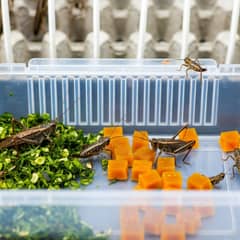
They're obligate insectivores: insects make up the diet, with no fruit or vegetable purees like a crested gecko might get. Commercially raised (never wild-caught) crickets are the usual staple, rounded out with dubia roaches, discoid roaches, mealworms, and black soldier fly larvae (sometimes sold as calciworms or Phoenix worms). Captive-bred hornworms are safe and appear blue-green. Never feed wild hornworms: they're bright green and toxic, so buy only from a reptile supplier.
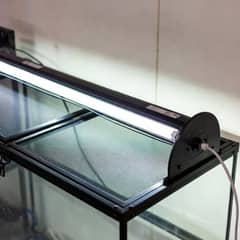
Gut-loading and dusting matter more than the feeder insect choice itself. Feed insects a nutritious diet (fresh vegetables or a gut-load powder) for 24 to 72 hours before offering them to your gecko. Then dust with plain calcium at most feedings for juveniles and breeding females, 2 to 3 times a week for adults. If your setup has no UVB, use calcium with D3 twice a week in place of the plain calcium, and add a reptile multivitamin about once a week. With UVB, stay on plain calcium, since the gecko makes its own D3 under the light. Keep a shallow dish of plain calcium in the enclosure at all times as an optional backup. Use feeding tongs to control portion size and keep insects from burrowing into substrate.
Safe Treats and Foods to Avoid
Waxworms and superworms are fine occasionally. Waxworms are especially fatty, so they stay a treat and never a staple. Superworms are adults-only: their size and hard exoskeleton aren't appropriate for juveniles.
Fireflies are toxic to leopard geckos and should never be fed. Never feed wild-caught insects of any kind: the pesticide and parasite risk isn't worth it. And never offer fruit or vegetables, since a leopard gecko's digestive system isn't built for produce the way an omnivorous reptile's is.
Why Leopard Geckos Stop Eating
- Brumation. A natural winter slowdown triggered by cooler temperatures and shorter days. Expect reduced activity and appetite, with brief waking to drink. A pet does not need it: keep the heat on, keep offering food, and weigh the gecko every week. A slowing gecko holds its weight and tail; one that loses weight goes to a vet.
- Shedding. Many geckos go off food for a day or two before and sometimes after a shed. Appetite returns once it's done.
- A temperature that's too low. This is one of the most common fixable causes. Leopard geckos can't digest food properly if the warm side isn't warm enough: aim for roughly 88 to 92°F at the warm hide floor and 70 to 77°F on the cool side.
- Stress. A new enclosure, too much handling, or another gecko in the enclosure can suppress appetite. It typically resolves once things settle down.
- Breeding season. Both sexes may eat less during courtship, and gravid females often eat less as they near egg-laying.
- Prey boredom. Some geckos lose interest in a repeated feeder insect and pick back up once offered something different.
- Illness or impaction. If appetite loss comes with bloating, straining, loose stools, discoloration, poor shedding, or shrunken eyes, that points to a medical cause rather than a normal cycle.
When to Worry
A healthy adult with a plump tail is usually fine for about two weeks without food, and sometimes up to a month. A hatchling has no reserve to draw on, so a hatchling that refuses food for more than a couple of days needs a vet. For an adult, watch the tail instead of the calendar: it's the gecko's fat reserve, and a noticeable thinning over a couple of weeks is the clearest concrete warning sign, regardless of what day you're on.
See a reptile-experienced vet if refusal comes with any of these: a visibly thinning tail, lethargy beyond normal brumation behavior, bloating, straining to defecate, discolored skin, poor or incomplete shedding, sunken eyes, or wrinkled, dehydrated-looking skin. During a suspected brumation, weigh the gecko every week. A brumating gecko eats less but should not lose much weight.
Read the Tail Before the Calendar
A leopard gecko on gut-loaded, dusted insects in a warm enough enclosure rarely needs more managing than that. Its tail keeps the score: while it stays plump, a skipped meal or two is nothing to chase, and a tail that starts to thin is the reason to act.
Sources & Further Reading
Last reviewed 24 Jul 2026 · 4 sources
- VCA Hospitals: Leopard Geckos, Care and Feeding
- MedVet: Leopard Gecko Information & Care Sheet
- LafeberVet: Basic Information Sheet, Leopard Gecko
- Schlief SC, Richman JM, Brink KS. "Bone labeling experiments and intraskeletal growth patterns in captive leopard geckos (Eublepharis macularius)," Journal of Anatomy, 2025
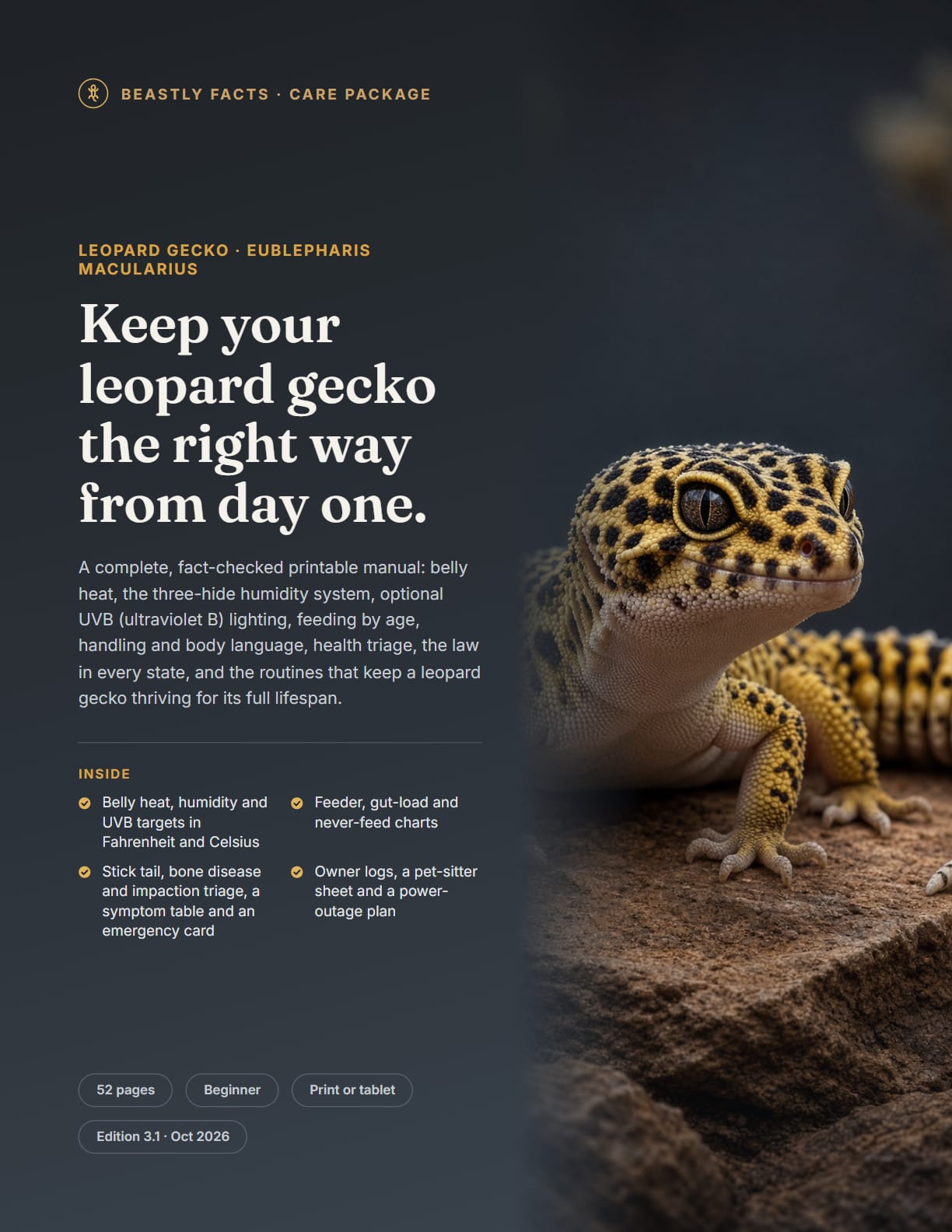
The Leopard Gecko Care Package puts the feeding section, an owner log and a pet-sitter sheet on paper, in a 52-page PDF you can keep by the enclosure, $8.99. Includes the Universal Pet Kit free: a routine chart and feeding log you can fill in.
Frequently Asked Questions
How often should I feed my leopard gecko?
Hatchlings eat daily, juveniles daily or every other day, and adults every 2 to 3 days once the tail is about as thick as the neck. Let the tail set the pace: a gecko with a thinning tail gets fed more often.
What do leopard geckos eat?
Commercially raised insects, never wild-caught. Crickets are the usual staple, alongside dubia roaches, mealworms, and black soldier fly larvae. Waxworms and superworms are occasional treats, never a daily staple, because they're high in fat.
Do I need to gut-load and dust the insects?
Yes. A leopard gecko gets its nutrition from what its prey ate, not just the prey itself. Feed insects a nutritious diet for 24 to 72 hours before offering them, dust with calcium at most feedings for juveniles and 2 to 3 times a week for adults, use calcium with D3 twice a week in place of plain calcium if your gecko doesn't get UVB exposure, and add a multivitamin about once a week.
Why has my leopard gecko stopped eating?
Most of the time it's normal: a shed cycle, brumation in cooler months, a recent move, or just a temperature that's a little too low for proper digestion. Check the warm side of the enclosure first, since a low temperature is one of the most common fixable causes. It only becomes a concern if it's paired with visible weight loss, a thinning tail, lethargy, or it drags on for weeks with no improvement.
How long can a leopard gecko go without eating?
A healthy adult with a plump tail can go a couple of weeks without much concern, thanks to the fat stored in its tail. A hatchling has no such reserve, so one that refuses food for more than a couple of days needs a vet, and so does any gecko whose tail is visibly thinning.
Can leopard geckos eat fruits or vegetables?
No. They're obligate insectivores, unlike some other pet gecko species, and their bodies aren't built to digest produce. Keep the diet to appropriately sized feeder insects.
Recommended Gear
As an Amazon Associate I earn from qualifying purchases through the links above, at no extra cost to you.

Written by Michael Ryan
Mike keeps two rescued bearded dragons, Dex and Cera, and writes the care guides on BeastlyFacts from his own research and mistakes. He is not a veterinarian.
More about Michael Ryan →You May Also Like
Subscribe - it's free
An occasional email when something new is worth your time. No spam.
Health and More