Common Guinea Pig Health Issues (And Why Vitamin C Matters So Much)
On This Page▾

Guinea pigs mask illness well, which means routine care matters more than it might seem to when everything looks fine. A handful of conditions come up often enough that every owner should be able to recognize them.
Upper Respiratory Infections
Caused by bacteria like Bordetella bronchiseptica or Streptococcus species. This one is genuinely urgent: guinea pigs are obligate nasal breathers, meaning they can't fall back on mouth-breathing the way many other animals can if their nasal passages are blocked.
Watch for: sneezing, nasal or eye discharge, and labored breathing. All of these warrant a same-day vet visit rather than a wait-and-see approach.
Vitamin C Deficiency (Scurvy)
Guinea pigs, like humans, can't produce their own vitamin C, which makes this a genuinely species-specific concern. Deficiency weakens the immune system, slows wound healing, and disrupts normal bone and tooth development. This is almost entirely preventable through diet, and our Guinea Pig Scurvy guide has the daily vitamin C numbers in full. A reliable vitamin C supplement is a straightforward way to close the gap if you're ever unsure your pellets are still fresh.

Humans and guinea pigs aren't the only animals that lost the ability to make their own vitamin C. Certain primates and fruit bats share the same quirk, all through the same broken gene, evolving independently of each other over millions of years rather than inheriting it from one shared vitamin-C-deficient ancestor.
Dental Disease
Guinea pig molars can overgrow even when the front incisors look completely normal, which is part of why this condition catches owners off guard.
Watch for: drooling, weight loss, and unusually small droppings. Chronic cases sometimes need trimming under anesthesia every 4 to 6 weeks, which is part of why prevention through a proper hay-based diet matters so much.

GI Stasis
Life-threatening and can develop quickly. A guinea pig that stops eating and is passing very little or no stool needs urgent veterinary attention, not a wait-and-see approach; our feeding guide has the exact hours-without-eating clock.
Bladder Stones (Urolithiasis)
Roughly 90 percent of stones identified in guinea pigs are calcium carbonate, which sets them apart from the struvite or oxalate stones common in dogs and cats. That difference matters in practice: there's no prescription diet or medication that dissolves calcium carbonate stones once they've formed. Surgical removal, a cystotomy, is generally the only way to resolve one. Small stones sometimes cause few or no symptoms at first, which is part of why waiting for obvious signs can mean a stone has already grown large enough to need surgery by the time it's caught.
Watch for: squeaking or crying out while urinating, straining or repeated attempts to urinate, a hunched posture, blood in the urine, and urine staining or matted fur around the hindquarters. Any of these is worth a same-day vet visit, since a stone can also cause a partial or complete blockage, which is a true emergency.
Diet plays a real role here, though it isn't the whole story. High-calcium foods, alfalfa hay especially, along with certain leafy greens like kale, spinach, and parsley, add to the calcium load that ends up in the urine, and low water intake concentrates that urine further, making crystal formation more likely. Adult guinea pigs generally do better on timothy hay, since alfalfa is really only appropriate for young, pregnant, or nursing guinea pigs. Increasing water intake and reducing calcium consumption are the cornerstones of managing a guinea pig prone to stones, and a water bottle tends to increase daily intake over a bowl. Neither is a guarantee, though. Medical management on its own is often unrewarding, and recurrence after surgery is common, so diet and water intake stay worth watching well after a stone has been removed.
If a secondary bladder infection is part of the picture, a vet may prescribe antibiotics, and it's worth knowing that guinea pigs tolerate only a narrow list of them safely. The wrong antibiotic can wipe out the gut bacteria that keep a guinea pig's digestion stable and trigger fatal enterotoxemia. Our small mammal enterotoxemia guide covers which antibiotics are dangerous and why.
Skin Mites and Ringworm
Both cause itching, hair loss, and flaky skin. Worth noting: ringworm and some mite infestations are zoonotic, meaning they can spread to people in the household, so these are worth treating promptly rather than letting them run their course.
Ovarian Cysts
Ovarian cysts are extremely common in unspayed female guinea pigs, and the risk climbs with age, yet this is one of the most under-recognized conditions on this list because the most visible sign often gets mistaken for a skin problem rather than a reproductive one.
The differential against mites matters here. Mites cause intense itching, a guinea pig scratching hard and often, and skin that looks visibly irritated, scabbed, or raw underneath the missing fur. Ovarian cysts produce a very different picture: hair loss is symmetrical across both flanks, the skin underneath looks completely normal, and there's no itching at all. An older intact female losing hair evenly on both sides without scratching points toward cysts before mites.
Not every cyst behaves the same way. Functional cysts secrete hormones and are the ones behind the hair loss, nipple changes, and sometimes aggressive or mounting behavior in an affected female. Non-functional cysts don't secrete hormones but can still cause real discomfort simply by growing large enough to press on nearby organs.
| Sign | Ovarian Cysts | Skin Mites |
|---|---|---|
| Hair loss pattern | Symmetrical, both flanks | Patchy, wherever scratching is worst |
| Itching | None | Intense, constant |
| Skin underneath | Looks normal | Red, irritated, scabbed, or raw |
| Other signs | Crusty or enlarged nipples, abdominal swelling, lethargy | Flaky skin, possible secondary infection |
Other signs to watch for include crusty or noticeably enlarged nipples, since these cysts are often hormonally active, a firm or visibly swollen abdomen as the cyst grows, and lethargy or a drop in appetite as it presses on nearby organs.
Diagnosis starts with abdominal palpation, where a vet may be able to feel an enlarged ovary directly, but ultrasound is the more reliable way to confirm a cyst and rule out other causes of abdominal swelling. Spaying, an ovariohysterectomy, is the definitive treatment. It resolves the cysts outright and prevents them from recurring on remaining ovarian tissue, which can happen with less complete surgical approaches. Because surgery carries more risk in an older or already-debilitated guinea pig, catching this early, before significant abdominal distension sets in, makes a real difference in how well she comes through it.
A Few Other Conditions to Know
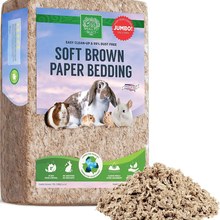
- Bumblefoot (pododermatitis), often linked to wire flooring or unsanitary bedding. Solid-floor housing with clean paper bedding goes a long way toward preventing it.
- Heat stress and heatstroke, since guinea pigs are highly heat sensitive and can overheat quickly in warm weather. The small mammal heat stress guide has the signs and the cooling steps.
When to See a Vet
Because guinea pigs hide illness well, an annual wellness exam matters even when your guinea pig seems completely healthy. See a vet promptly, not on a wait-and-see basis, for refusal to eat, drooling, labored breathing, diarrhea, lethargy, or a hunched posture. A cavy-savvy exotic vet is worth locating before an emergency, since general small-animal clinics aren't always equipped for guinea pig-specific issues.
The Guinea Pig encyclopedia profile covers the wild ancestry behind an animal that hides illness this well.
Sources & Further Reading
Last reviewed 3 Sep 2026 · 5 sources
- Merck Veterinary Manual: Common Health Problems of Guinea Pigs
- Merck Veterinary Manual: Noninfectious Diseases of Guinea Pigs
- VCA Animal Hospitals: Health Problems in Guinea Pigs
- VCA Animal Hospitals: Bladder Sludge and Bladder Stones in Rabbits and Guinea Pigs
- MSPCA-Angell: Urogenital Disease in Guinea Pigs
❓ Frequently Asked Questions
What is the most urgent health issue in guinea pigs?
Upper respiratory infection and GI stasis both need same-day attention. Guinea pigs are obligate nasal breathers, so a blocked nose from a respiratory infection is a genuine emergency, and a guinea pig that stops eating and passes very little or no stool needs urgent care since GI stasis can turn life-threatening quickly.
Why is vitamin C such a big deal for guinea pigs specifically?
Guinea pigs, like humans, can't produce their own vitamin C, which makes deficiency a species-specific concern. It weakens the immune system, slows wound healing, and disrupts normal bone and tooth development, and it's almost entirely preventable through diet.
What are the signs of dental disease in guinea pigs?
Drooling, weight loss, and unusually small droppings. The molars can overgrow while the front incisors still look normal, which is part of why it catches owners off guard. Chronic cases sometimes need trimming under anesthesia every 4 to 6 weeks.
How often should a healthy-looking guinea pig see a vet?
At least once a year for a wellness exam, even when nothing seems wrong. Guinea pigs hide illness well, so routine care catches problems long before they'd show up as obvious symptoms, and it's worth finding a cavy-savvy exotic vet before you need one.
📰 More on the Guinea Pig
🛒 Recommended Gear
As an Amazon Associate, we earn from qualifying purchases through the links above - at no extra cost to you.
Written by Michael Ryan
Mike grew up with guinea pigs.
Mike keeps two rescued bearded dragons, Dex and Cera, and writes the care guides on BeastlyFacts from his own research and mistakes. He is not a veterinarian.
More about Michael Ryan →Comments
No comments yet - be the first!