Guinea Pig Scurvy: Why Vitamin C Isn't Optional
On This Page▾

Guinea pigs are one of a small handful of mammals, alongside humans and a few other species, that cannot produce their own vitamin C. Every other common small pet, rabbits, hamsters, chinchillas, can synthesize what they need internally, which is exactly why generic small-pet advice so often misses this one guinea-pig-specific requirement.
What Scurvy Actually Is
Vitamin C is essential for producing collagen, the structural protein that holds together skin, blood vessels, joints, and connective tissue throughout the body. Most mammals manufacture their own vitamin C in the liver using an enzyme most guinea pigs simply don't have a working copy of. Without a reliable dietary source, collagen production breaks down over days to weeks, and the effects show up everywhere collagen matters most: joints, gums, blood vessel walls, and wound healing.
Guinea pigs, humans, and fruit bats are among a small handful of mammal groups that independently lost the ability to make their own vitamin C at some point in evolutionary history, and in each case the same underlying gene is the one that stopped working.
Recognizing Scurvy by Stage
| Stage | What You'll See |
|---|---|
| Early | Rough or puffed coat, mild lethargy, slightly reduced appetite, subtle stiffness when moving |
| Progressing | Swollen and painful joints, reluctance to move or bear weight, weight loss, slow wound healing |
| Advanced | Bleeding gums, spontaneous bruising, joint hemorrhage, diarrhea - a genuine emergency at this stage |
The early signs are easy to miss or blame on something else entirely, which is part of why scurvy remains one of the more common preventable illnesses in pet guinea pigs. A guinea pig that seems a little slower or less interested in food than usual is worth a closer look at diet before assuming it's nothing.
Why Fortified Pellets Alone Aren't Enough
Most commercial guinea pig pellets are fortified with vitamin C at the time of milling, but vitamin C is notoriously unstable and degrades quickly when exposed to heat, light, and humidity. A meaningful share of that fortified vitamin C is already gone within weeks of milling, even in an unopened bag, and continues degrading faster once the bag is opened and exposed to air. Relying on the pellet bag's nutrition label as your only vitamin C source is one of the most common ways owners end up with a scurvy case despite feeding a "complete" diet.
How Much a Guinea Pig Actually Needs
The figure that circulates most often is a flat number of milligrams a day, and that is the wrong shape for the answer, because the requirement scales with body weight. A 1.1 kg boar and a 700 g sow do not need the same dose, and neither does a growing weanling.
The Merck Veterinary Manual gives 10 to 25 mg/kg daily for a healthy adult, and 30 mg/kg or more for growing, pregnant, lactating, or ill animals. PetMD arrives at the same shape independently, 10 mg/kg for an adult and 30 mg/kg for a growing or pregnant animal, and does the arithmetic for you: roughly 20 to 25 mg a day for a typical adult, and 30 to 40 mg a day for a growing or pregnant one. Those daily figures are what to hold in your head at the vegetable drawer; the per-kilogram figures are what to hand a vet, and what to use if your guinea pig is unusually small or unusually large.
The gap between the two ends matters more than it looks. An animal that is ill, healing a wound, or pregnant needs roughly triple the adult maintenance dose per kilogram, and it is usually also the animal least interested in eating, which is exactly when a vet-directed supplement stops being optional. Our guinea pig tank setup guide carries the same figures alongside the rest of the diet.
The Best Sources, and How to Use Them
Bell peppers are the standout source: red, yellow, and orange peppers contain substantially more vitamin C than green ones, and a quarter of a medium pepper covers most of a single adult guinea pig's daily requirement by itself. Dark leafy greens, kale, parsley, cilantro, and romaine, are good secondary sources worth rotating in for variety and to avoid over-relying on any single vegetable. Fresh food has to be part of the daily routine, not an occasional treat, since guinea pigs have no internal reserve to fall back on between servings the way species that can synthesize their own vitamin C do.
Treatment and Recovery
A guinea pig showing signs of scurvy needs a vet visit, not a wait-and-see approach, especially once joint pain or gum bleeding is visible. Treatment typically combines vet-directed vitamin C supplementation (oral or injectable, depending on severity) with an immediate diet correction. Early and moderate cases often improve within one to two weeks of proper treatment; advanced cases with real joint damage take longer and may leave some lingering stiffness, which is the strongest argument for catching this early rather than after symptoms are obvious.
Prevention Is Simple, Just Not Optional
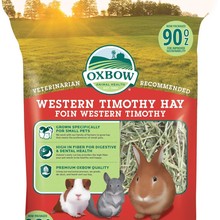
Daily fresh vegetables, led by bell pepper, are the actual prevention here, not a nutrition label promise. Combine that with a quality hay-based diet and a guinea pig should never need to rely on its pellets' vitamin C content at all.
Sources & Further Reading
Last reviewed 9 Jul 2026 · 4 sources
- Merck Veterinary Manual: Housing and Nutrition of Guinea Pigs, for the 10 to 25 mg/kg adult requirement and the 30 mg/kg figure for growing, pregnant, lactating or ill animals
- PetMD: Vitamin C Deficiency in Guinea Pigs, for the same per-kilogram figures and the 20 to 25 mg and 30 to 40 mg daily translations
- VCA Animal Hospitals: Guinea Pigs, Feeding
- NC State Veterinary Hospital: Caring for Your Pet Guinea Pig
❓ Frequently Asked Questions
How much vitamin C does a guinea pig need each day?
The requirement scales with body weight, which is why a flat milligram figure is the wrong shape for the answer. The Merck Veterinary Manual gives 10 to 25 mg/kg daily for a healthy adult and 30 mg/kg or more for growing, pregnant, lactating, or ill animals. PetMD gives 10 mg/kg and 30 mg/kg for the same two groups and translates them to roughly 20 to 25 mg a day for a typical adult and 30 to 40 mg a day for a growing or pregnant one. In practical terms, a quarter of a medium bell pepper covers a typical adult's daily need on its own, which is why fresh vegetables matter more than any single supplement.
Can scurvy be reversed once it starts?
Often, yes, if caught early. Vet-guided vitamin C supplementation combined with correcting the diet typically resolves early to moderate cases within one to two weeks. Advanced cases with joint damage or significant weight loss take longer to recover from and may leave some lasting stiffness, which is exactly why catching it early matters so much.
Do vitamin C drops added to water work?
Not reliably. Vitamin C degrades quickly once dissolved in water, especially with light exposure, often losing much of its potency within hours. Guinea pigs also drink variable amounts day to day, so dosing through water is inconsistent even before the degradation problem. Fresh vegetables are the dependable source, not water additives.
What's the single best food source of vitamin C for a guinea pig?
Bell peppers, and red, yellow, or orange peppers contain meaningfully more vitamin C than green ones. A quarter of a medium pepper daily covers most of an adult guinea pig's requirement on its own. Dark leafy greens like kale, parsley, and cilantro are strong secondary sources to rotate in for variety.
Can a guinea pig get too much vitamin C?
Excess vitamin C is water-soluble and mostly gets excreted rather than stored, so there's a wide safety margin with normal fresh-food feeding. The goal is consistent daily intake from real food, not maximizing a single dose - there's no benefit to overloading on vitamin C, and consistently very high supplemental doses have been loosely associated with kidney stone risk in some cases.
📰 More on the Guinea Pig
📘 Guinea Pig care guide
🐹 How Much Does a Guinea Pig Really Cost?
🐹 How to Handle a Guinea Pig Without Scaring It
🐹 Common Guinea Pig Health Issues (And Why Vitamin C Matters So Much)
🐹 Guinea Pig Housing and Diet: Why Vitamin C Is Non-Negotiable
🐹 Guinea Pig Feeding: Schedule, Diet, and Why They Stop Eating
🛒 Recommended Gear
As an Amazon Associate, we earn from qualifying purchases through the links above - at no extra cost to you.
Written by Michael Ryan
Mike grew up with guinea pigs.
Mike keeps two rescued bearded dragons, Dex and Cera, and writes the care guides on BeastlyFacts from his own research and mistakes. He is not a veterinarian.
More about Michael Ryan →Comments
No comments yet - be the first!