How Much Does a Guinea Pig Really Cost?
On This Page▾

Guinea pigs are cheap to adopt and expensive to underestimate. The animal itself costs almost nothing, but guinea pigs are social animals that need a same-species companion, so most of the budgeting math here is about caring for two, not one.
Upfront Setup: Roughly $100 to $250
| Item | Cost Range |
|---|---|
| Guinea pig(s) from a shelter | $10 - $60 |
| Guinea pig(s) from a pet store | ~$50 |
| Specialty breed (Teddy, Abyssinian, Silkie) | $100+ |
| Enclosure (C&C cage or similar) | $100 - $140 |
| Bedding (paper bedding), dishes, and a hideout | rounds out the setup |
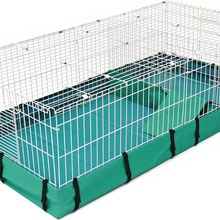

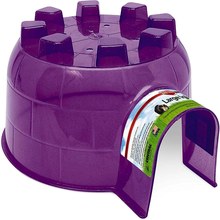
A properly sized cage, like the MidWest Guinea Habitat (an 8 sq ft option), runs around $100 to $109, while larger modular habitats run closer to $140. This is the biggest line item, and it's worth getting right the first time rather than upgrading later. Most first-time setups, including bedding, dishes, and a hideout, land around $100 to $250.
Ongoing Costs: $33 to $135 a Month
| Setup | Monthly Cost |
|---|---|
| One guinea pig | $33 - $70 |
| A pair (recommended minimum) | $60 - $135 |
Prices last checked September 2026 at PetSmart and Small Pet Select. Retail prices move; treat the table as a snapshot, not a quote.
For a pair, that breaks down to roughly $30 to $50 in pellets, $20 to $50 in fresh vegetables, and $40 to $60 in timothy hay each month. Annual routine spending for a pair commonly lands between $400 and $1,620 depending on bedding quality and food brands, with around $1,200 a year being a fairly typical middle-ground figure.

Guinea pigs were domesticated more than 3,000 years ago in the Andes, originally raised as livestock rather than pets. That deep history as a group-living animal is part of why they're so social today, exactly the trait that turns a single-guinea-pig budget into a two-guinea-pig one.
Vet Costs
An annual wellness exam runs $50 to $100. Sick or emergency visits run $100 to $300 or more, and complex issues like GI stasis can push well past that. Guinea pigs need a cavy-savvy exotic vet, not a general small-animal clinic, so it's worth finding one before you need one. No vaccines are required for this species.
Why the Pair Matters for Your Budget
Guinea pigs kept alone tend to become withdrawn and depressed, so nearly every credible source recommends keeping them in pairs or small groups from the start. That effectively doubles your food and vet-visit costs compared to what a single-guinea-pig budget might suggest, but it's not really optional if you want a guinea pig that's thriving. Budget for two from day one rather than adding a second later and being surprised by the jump.
The Budgeting Takeaway
The guinea pig itself is the cheap part. What actually determines your long-term cost is the size and quality of the cage and whether you're budgeting honestly for two animals instead of one from the start.
Chinchillas come up often as the other option in that same budget range, and our Chinchilla vs. Guinea Pig guide compares the two directly on cost, social needs, and day to day handling.
If you're weighing a guinea pig against other beginner-friendly pets, our Four Pets With One Rule Each Worth Knowing First roundup puts the guinea pig side by side with the cockatiel, betta fish, and tarantula.
The Guinea Pig encyclopedia profile covers the Andean origins behind an animal that still does badly kept on its own.
Sources & Further Reading
Last reviewed 16 Jul 2026 · 2 sources
❓ Frequently Asked Questions
How much does a guinea pig itself cost?
$10 to $60 from a shelter, around $50 at most pet stores, and $100 or more for specialty breeds like Teddy, Abyssinian, or Silkie. The animal is the cheapest part of ownership, the cage and the fact that you need two are where the budget goes.
Why does a guinea pig budget need to plan for two animals, not one?
Housed alone, guinea pigs tend to become withdrawn or depressed, which is why nearly every credible source recommends pairs or small groups from the start. Two roughly doubles food and vet-visit costs against a single-pig budget, and that is the trade for a guinea pig that thrives.
What should I budget for a starter setup?
Most first-time setups, including a properly sized cage, bedding, dishes, and a hideout, land around $100 to $250. The cage is the single biggest line item, and it's worth getting the size right the first time rather than upgrading later.
What are the ongoing monthly costs for guinea pigs?
$33 to $70 a month for one, $60 to $135 for a pair, and a pair is the recommended minimum. Pellets account for roughly $30 to $50 of that, fresh vegetables $20 to $50, and timothy hay $40 to $60.
📰 More on the Guinea Pig
📘 Guinea Pig care guide
🐹 How to Handle a Guinea Pig Without Scaring It
🐹 Common Guinea Pig Health Issues (And Why Vitamin C Matters So Much)
🐹 Guinea Pig Housing and Diet: Why Vitamin C Is Non-Negotiable
🐹 Guinea Pig Feeding: Schedule, Diet, and Why They Stop Eating
🐹 Guinea Pig Scurvy: Why Vitamin C Isn't Optional
🛒 Recommended Gear
As an Amazon Associate, we earn from qualifying purchases through the links above - at no extra cost to you.
Written by Michael Ryan
Mike grew up with guinea pigs.
Mike keeps two rescued bearded dragons, Dex and Cera, and writes the care guides on BeastlyFacts from his own research and mistakes. He is not a veterinarian.
More about Michael Ryan →Comments
No comments yet - be the first!