Guinea Pig Housing and Diet: Why Vitamin C Is Non-Negotiable
On This Page▾

Guinea pig care is fairly forgiving once the basics are right, but there's one dietary detail that sets this species apart from almost every other small pet, and getting it wrong has real health consequences.
Enclosure Size
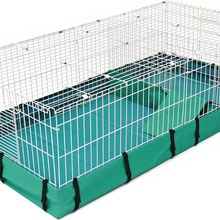
Minimum footprint is about 7.5 square feet (roughly 30 by 36 inches) for one guinea pig, and 10.5 square feet for a pair, more if you keep a larger group. Bigger is always better here, guinea pigs are active and benefit from room to move.
Use a solid floor, not wire, since wire flooring is a common cause of bumblefoot. Sides should be at least 12 inches high. C&C cages (built from storage cubes and coroplast panels) are widely recommended by rescues for their combination of space and affordability. Avoid glass tanks and plastic bins, both have poor ventilation, and skip wire flooring entirely.
Temperature
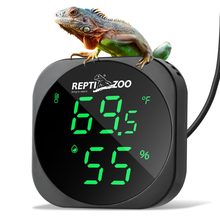
Keep the room between 65 and 79°F, which is Merck's housing figure of 18 to 26°C, out of direct sun and away from drafts. Heatstroke becomes a real risk above 80°F, so this isn't a species that tolerates a hot room well, and the gap between the comfortable ceiling and the danger line is a single degree. A digital thermometer in the room takes the guesswork out of confirming you're actually in range.
Bedding
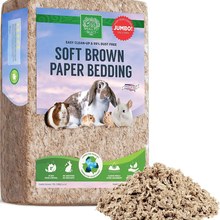
Paper-based bedding, kiln-dried pine, or fleece liners all work well. Avoid cedar, raw pine, and sawdust, all of which irritate the respiratory system over time.
Social Needs
Keep guinea pigs in pairs or small groups. This isn't a nice-to-have, guinea pigs are highly social and tend to become withdrawn or depressed when housed alone, part of why a realistic budget plans for two from the start.
Diet: Where Vitamin C Becomes the Whole Story
Guinea pigs cannot synthesize their own vitamin C, unlike most other pets, which makes their diet meaningfully different from a rabbit's or a hamster's even though the basic hay-heavy structure looks similar on the surface.
| Daily Component | Amount |
|---|---|
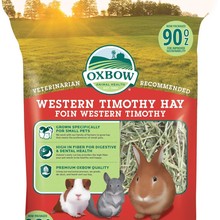
| Grass hay (timothy or orchard) | Unlimited, roughly 80% of the diet |
| Vitamin-C-fortified pellets | About 1/8 cup (about 2 tablespoons) per guinea pig |
| Fresh leafy greens | Roughly 1 cup per guinea pig |
Bell pepper is a particularly good vegetable choice, high in vitamin C and low in sugar, and our feeding guide has the full rotation of safe vegetables and treats.
Bell pepper isn't just a low-sugar vitamin C option for guinea pigs, it actually carries noticeably more vitamin C by weight than an orange does, exactly why it shows up so often as a top diet pick for this species specifically.
On the vitamin C requirement itself, the honest figure is per kilogram rather than flat, because the amount depends on the animal's size as well as its condition. The Merck Veterinary Manual gives 10 to 25 mg/kg daily for a healthy adult and 30 mg/kg or more for growing, pregnant, lactating or ill animals, and PetMD gives 10 mg/kg and 30 mg/kg for the same two groups, working out to about 20 to 25 mg a day for a typical adult and 30 to 40 mg for a growing or pregnant one. The vitamin C in commercial pellets degrades over time, so pellets should be used or replaced within 90 days of their manufacture date. Buying a fresh bag more often than you might expect is part of responsible guinea pig ownership, not overcautious. A vitamin C supplement in oral drop or tablet form is a reliable way to close any gap, and the guinea pig scurvy guide covers what the deficiency looks like when the gap is not closed.
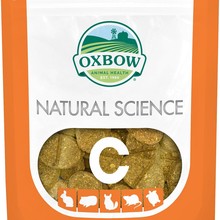
Don't add vitamin C to the water. It changes the taste, which often leads guinea pigs to drink less, working against the exact goal you're trying to achieve.
What to avoid: alfalfa hay for adults (too high in calcium, appropriate only for very young guinea pigs), iceberg lettuce (essentially no nutritional value), and high-sugar fruit as anything more than an occasional treat.
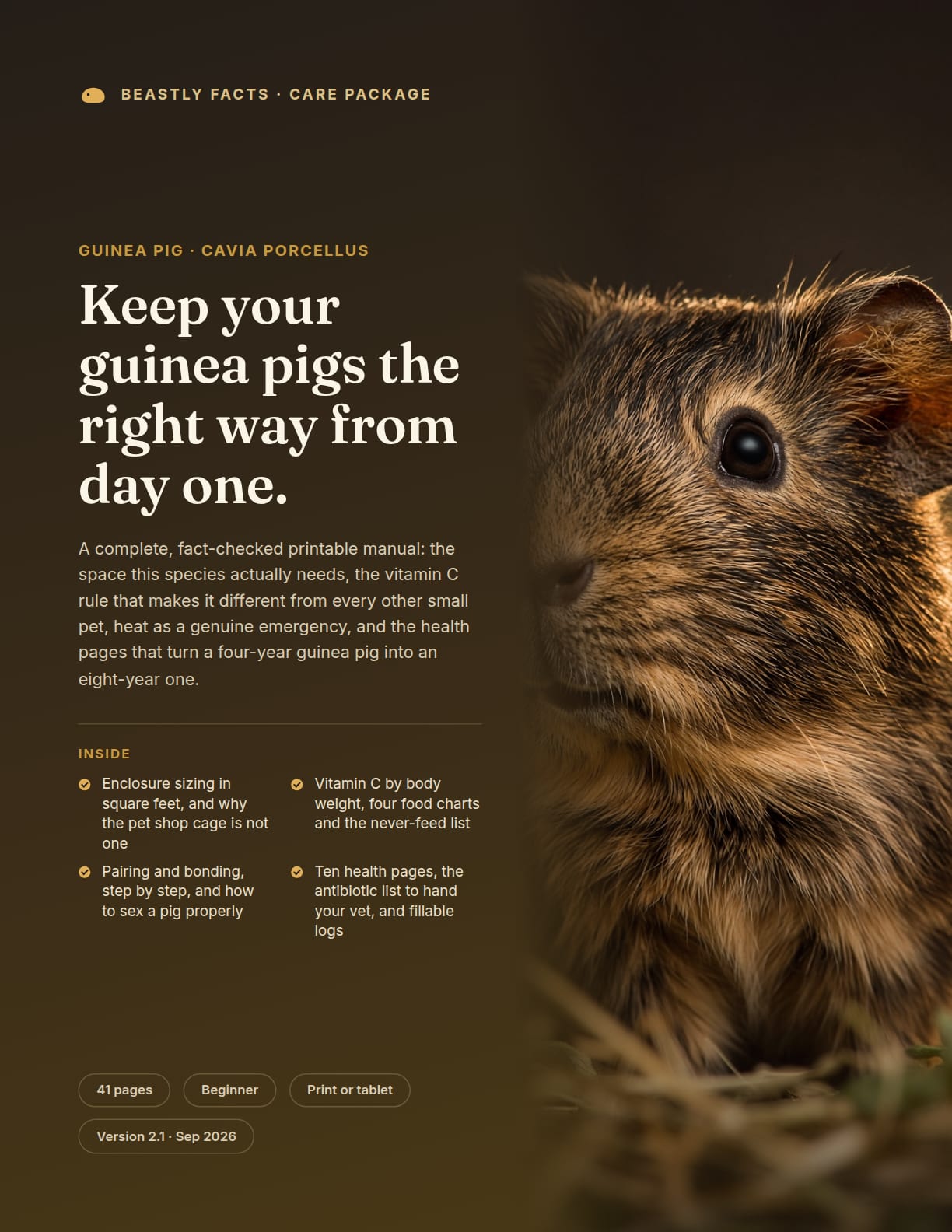
Want this as a printable reference? The Guinea Pig Care Package turns this guide into a 41-page PDF you can keep by the enclosure, $8.99.
Sources & Further Reading
Last reviewed 16 Jul 2026 · 5 sources
- Merck Veterinary Manual: Providing a Home for a Guinea Pig
- Merck Veterinary Manual: Housing and Nutrition of Guinea Pigs, for the 18 to 26°C (65 to 79°F) housing range and the per-kilogram vitamin C figures
- Humane World: Guinea Pig Housing Requirements
- VCA Animal Hospitals: Guinea Pigs, Feeding
- NC State Veterinary Hospital: Caring for Your Pet Guinea Pig
❓ Frequently Asked Questions
How much space does a guinea pig need?
About 7.5 square feet, roughly 30 by 36 inches, for one, and 10.5 for a pair, with more for a larger group. Bigger is always better: guinea pigs are active and use the room.
What kind of cage and bedding work best for guinea pigs?
A solid floor rather than wire, since wire flooring is a common cause of bumblefoot. C&C cages, built from storage cubes and coroplast, come recommended by rescues for space and price. Bed it with paper bedding, kiln-dried pine, or fleece; no cedar, raw pine, or sawdust.
Why is vitamin C such a big deal in a guinea pig's diet?
Guinea pigs cannot synthesize their own vitamin C, unlike most other pets, which makes their diet meaningfully different from a rabbit's or a hamster's even though the basic hay-heavy structure looks similar. The requirement scales with weight rather than being a flat daily figure: Merck gives 10 to 25 mg/kg a day for a healthy adult and 30 mg/kg or more for a growing, pregnant, lactating or ill one, which PetMD translates to roughly 20 to 25 mg a day for a typical adult. The vitamin C in pellets degrades over time, so pellets should be used within 90 days of their manufacture date.
What should I avoid feeding a guinea pig?
Alfalfa hay for adults, which is too high in calcium and appropriate only for very young guinea pigs, iceberg lettuce, which has essentially no nutritional value, and high-sugar fruit as anything more than an occasional treat. Also don't add vitamin C to the water, it changes the taste and often leads guinea pigs to drink less.
📰 More on the Guinea Pig
🛒 Recommended Gear
As an Amazon Associate, we earn from qualifying purchases through the links above - at no extra cost to you.
Written by Michael Ryan
Mike grew up with guinea pigs.
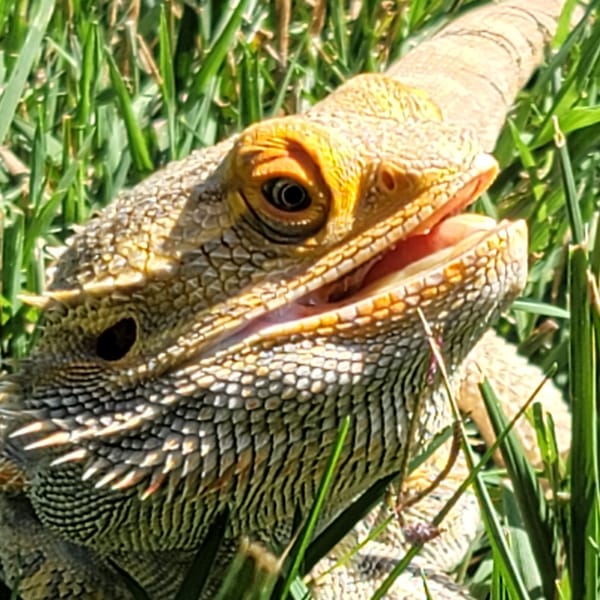
Mike keeps two rescued bearded dragons, Dex and Cera, and writes the care guides on BeastlyFacts from his own research and mistakes. He is not a veterinarian.
More about Michael Ryan →Comments
No comments yet - be the first!