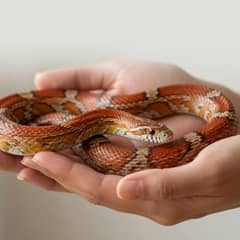
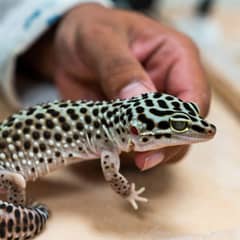
How to Handle a Garter Snake (And Why It Might Musk on You First)
On This Page▾

Garter snakes are generally docile, active, and rewarding to handle once they settle in, but the first few sessions with a new one often come with an unpleasant surprise: this species reaches for musk long before it reaches for a bite. Understanding that upfront makes the whole process a lot less discouraging.
Musk Is the First Line of Defense
When a garter snake feels threatened, its first move is almost always to release musk, a thick, pungent secretion from glands near the base of the tail, instead of striking. It's unpleasant, difficult to wash off completely, and clearly meant to make the snake seem unappealing to a predator. It is also completely harmless, more a hygiene inconvenience for you than any kind of danger.
A 2014 field study on wild gartersnakes found this behavior is more nuanced than a simple panic reflex. Musking frequency varied by species and, in one of the two species studied, by sex, and animals in better physical body condition were more likely to musk when handled than animals in poorer condition, suggesting a proper musking defense takes real energy reserves to mount. It stayed consistent across different predation pressures and body sizes, unlike some of garter snakes' other defensive behaviors. In practice, this just means: expect musk from a healthy new snake, don't read it as illness or unusual aggression, and know it reliably fades with calm, repeated handling.
A 2014 study on wild gartersnakes found that musking wasn't simply a panic response, snakes in better physical condition were actually more likely to musk when picked up than snakes in poorer condition, suggesting it takes real energy to mount a proper defensive stink.
The Venom Question
Garter snakes are rear-fanged and mildly venomous, in the same limited sense as a hognose snake: a Duvernoy's gland produces a secretion that helps subdue small prey like fish and amphibians, delivered through grooved rear teeth rather than true hollow fangs. It is not considered medically significant to a healthy person. A documented 1985 case report on an eastern garter snake bite describes coolness, swelling, and bruising of the bitten hand following a prolonged bite, with normal vital signs and a rapid, full recovery, and the same patient had since-uneventful bites afterward, evidence against an allergic reaction. Effective envenomation generally requires the snake to hold on rather than strike and release, which is exactly why quick defensive bites rarely cause anything beyond mild, short-lived irritation.
Actual Bite Risk
Bites are a distant second choice after musking and fleeing, and genuine aggression in this species is uncommon. Because the teeth are small, a bite is usually described as feeling like a light pinch or a scratch, and any swelling, redness, or itching that follows typically resolves within a few hours, similar to a mosquito bite. Wash the area with soap and water afterward as you would with any small animal bite.
A Real Socialization Approach
Give a newly acquired garter snake one to two weeks to settle into its enclosure and start eating reliably before attempting to handle it. That is a settling-in window and not a quarantine, which runs far longer and has a different job. From there:
- Start with short sessions, just a few minutes, a couple of times a week
- Approach from the side, never straight down from above, which reads as predatory
- Support as much of the body as possible with both hands and let the snake move through them instead of restraining it
- Build session length and frequency gradually as the snake tolerates more
- Wash your hands before and after every session
Most garter snakes, particularly captive-bred individuals, become noticeably calmer within a few weeks of this kind of consistent, low-pressure handling. Unlike a corn snake or a boa, a garter snake isn't a true constrictor, it doesn't hang on by coiling tightly, so expect a wigglier, more exploratory animal in hand, not one that settles into a calm coil.
Signs It's Stressed
- Musking
- Tight coiling or flattening the body
- Rapid tongue-flicking
- Striking or repeated fast, erratic movement
Stay calm and let a brief stress reaction settle before returning the snake to its enclosure.
Hygiene Matters Here Too
Like virtually all reptiles, garter snakes can carry Salmonella without showing any signs of illness themselves. The CDC recommends washing your hands with soap and water after handling any pet reptile, its waste, or anything in its enclosure, and before eating, and recommends supervising handling for young children accordingly.
How This Compares to Other Beginner Snakes
Musking as a primary defense is genuinely distinctive among the beginner pet snakes. A hognose snake leads with a dramatic hood-and-hiss bluff, sometimes escalating to playing dead, while a corn snake mostly just tries to get away. All three share the same basic truth: what looks or smells alarming at first usually fades fast with calm, consistent handling, and none of them should be considered an aggressive pet.
The Garter Snake encyclopedia profile covers its wild background.
Sources & Further Reading
4 sources
- Gangloff, E.J., Bertolatus, D., Reigel, C., & Gagliardi-Seeley, J.L. (2014). "Effects of Sex, Environment, and Condition on the Musking Behavior of Sympatric Gartersnakes (Thamnophis spp.)." Journal of North American Herpetology, 1, 40-46.
- Hayes, W.K. & Hayes, F.E. (1985). "Human envenomation from the bite of the eastern garter snake, Thamnophis s. sirtalis (Serpentes: Colubridae)." Toxicon, 23(4), 719-721.
- CDC: Reptiles and Amphibians (Healthy Pets, Healthy People)
- PetMD: Garter Snake Care Sheet
❓ Frequently Asked Questions
Is a garter snake dangerous or venomous?
Technically venomous in the same limited sense as a hognose snake: garter snakes have a mild rear-fanged venom from a Duvernoy's gland, used mainly to help subdue small prey like fish and amphibians. It's not considered medically significant to a healthy person. Documented human bite cases describe local swelling, bruising, and occasional blister-like marks that resolved without complication, not a genuine health threat.
Will a garter snake musk on me, and what does that mean?
Very likely, especially with a new or wild-caught snake. Musking, releasing a foul-smelling secretion from glands near the base of the tail, is a garter snake's primary defense, used far more often than biting. It's unpleasant to clean off but completely harmless, and it fades with consistent, calm handling as the snake settles in.
Do garter snakes bite, and what does it feel like?
Bites happen, but they're a distant second choice after musking and fleeing. Because the teeth are small, most bites feel like a light pinch or a scratch rather than anything serious, and any resulting swelling or redness typically resolves within hours. A prolonged bite, the snake holding on rather than a quick strike and release, is what's needed for the mild venom to have any noticeable effect at all.
How do I socialize a new garter snake?
Give it one to two weeks to settle in and start eating reliably before handling. Start with short sessions, a few minutes at a time, a couple of times a week, and build up gradually. Most garter snakes, especially captive-bred ones, become noticeably calmer and easier to handle within a few weeks of consistent, gentle contact.
How does garter snake temperament compare to a hognose or corn snake?
All three are considered beginner-friendly, but they lead with different defenses. A garter snake's go-to move is musking; a hognose puts on a dramatic hood-and-hiss bluff before sometimes playing dead; a corn snake mostly just tries to escape. None of the three should be considered aggressive once acclimated, and garter snakes and hognoses share the same harmless rear-fanged venom story, just wrapped around very different personalities.
📰 More on the Garter Snake
📘 Garter Snake care guide
🐍 How Much Does a Common Garter Snake Really Cost?
🐍 Common Garter Snake Health Issues
🐍 Garter Snake Tank Setup: Why the Water Bowl Isn't Really a Water Bowl
🐍 Garter Snake Feeding: Fish, Earthworms, and Why So Many Refuse Mice
🐍 Garter Snake Enrichment: The One I Had to Correct
Written by Michael Ryan
Mike keeps two rescued bearded dragons, Dex and Cera, and writes the care guides on BeastlyFacts from his own research and mistakes. He is not a veterinarian.
More about Michael Ryan →Comments
No comments yet - be the first!