How Much Does a Rosy Boa Really Cost?
On This Page▾

A rosy boa is one of the most affordable snakes to buy and set up, a genuine relief if you've been pricing out a boa constrictor, which can grow six to ten times longer. Everything about this snake's budget follows from its small size.
The Snake: $150 to $400, Depending on Locality and Morph
A normal, standard-colored rosy boa typically runs $150 to $200. Checking current listings from established reptile retailers, adults commonly sell for right around $189 to $199 for standard coloration, with an albino running about $199 at the same retailer. Specific wild localities, like Yorba Linda or Baja stock, and color mutations push the price up from there, commonly into the $200 to $400 range, occasionally more for rare or exceptional combinations. That's a real range, but it's a much narrower one than a boa constrictor's designer morphs, which can run into the thousands.
Upfront Setup: Roughly $150 to $250
| Item | Why It's On The List |
|---|---|
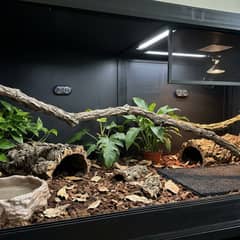
| 20-30 gallon enclosure | Sized for an adult of 24 to 36 inches, rarely over 4 feet |
| Secure screen lid | Rosy boas are genuine escape artists |
| Under-tank heater and thermostat | No ceramic heat emitter needed at this size |
| Two snug hides | Warm side and cool side |
| Small water dish | This snake doesn't need a large soaking dish |
| Dry aspen substrate | Kept dry, not moisture-retentive |
| Thermometer and hygrometer | For confirming this species' unusually low humidity target |
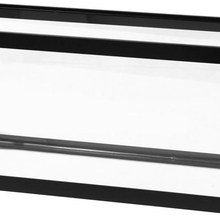
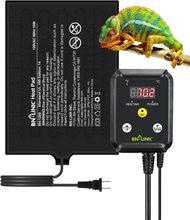
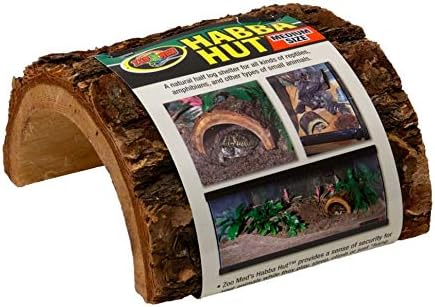
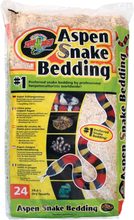
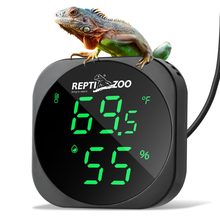
That lands at roughly $150 to $250 total, well under half of what a boa constrictor's setup runs.
Ongoing Costs: Low
Small frozen-thawed mice, fed roughly every 10 to 14 days for an adult, are the main recurring expense, and they're inexpensive even by feeder-rodent standards. Substrate replacement is infrequent since the enclosure stays dry rather than needing the regular refresh a humid setup demands, and a single small under-tank heater draws far less power than the heat sources a larger snake needs.
The Monthly Number: $6 to $11, Plus the Vet Set-Aside
| Item | Monthly Cost |
|---|---|
| Frozen small mice, 2 or 3 a month | $2 |
| Aspen, full change every 3 to 6 months | $3 - $7 |
| Electricity, 8 to 16 watt heat mat | $1 - $2 |
| Vet care, set aside from the yearly figure | $8 - $17 |
Prices last checked September 2026 at Backwater Reptiles, CountryMax, ReptMart and RodentPro. Retail prices move; treat the table as a snapshot, not a quote.
An adult rosy boa eats every 10 to 14 days, so two or three mice a month, and a bag of 100 small mice from RodentPro is $74, or $0.74 each. That is about $2 a month for food. Aspen is $9.98 for 8 quarts. A full change runs every three to six months and takes about 1.25 to 1.5 cubic feet of material in a 36x18x18, so a 20 to 30 gallon enclosure takes roughly two bags a change, or $3 to $7 a month. A Zoo Med heat mat draws 8 watts in the 10 to 20 gallon size and 16 watts in the 30 to 40 gallon size, and around the clock that is 5.8 to 11.5 kWh a month, $1 to $2 at the June 2026 US residential average of 18.34 cents per kWh. Consumables land at $6 to $11 a month. The vet set-aside from the section below, $100 to $200 a year, is bigger than food, substrate, and power combined.
Vet Costs
Exotic vet pricing varies by clinic and region, but a currently published mobile exotic veterinary price list lists an established-client wellness exam at $78 and a new-client exam, which includes an ultraviolet light check for parasites and skin issues, at $128. An illness exam at the same clinic runs $118. Budgeting $100 to $200 a year for routine care, with more set aside if something needs treating, is a reasonable planning figure.
A rosy boa can live nearly as long as a boa constrictor, 18 to 22 years on average and past 30 for documented individuals, while spending its entire life in an enclosure a fraction of the size. The lifespan commitment doesn't shrink with the snake, only the space and setup cost do.
Lifespan: A Long Commitment in a Small Package
18 to 22 years is the captive average and past 30 is documented, which makes this one of the more long-lived snakes kept as pets relative to its size. That multi-decade window is worth weighing seriously even though the day-to-day cost is low, a rosy boa acquired today is realistically a commitment into the 2040s or 2050s.
The Cost Picture
A rosy boa is about as affordable as pet snakes get, cheap to buy, cheap to house, and cheap to feed, all because it simply never grows very large. The boa constrictor is the other boa kept as a beginner-ish pet, and the size difference between the two drives the whole cost gap.
The Rosy Boa encyclopedia profile has the natural history. The rosy boa also shows up alongside the red-footed tortoise and garter snake in our roundup of Three Reptiles Worth Starting With, Each for a Different Reason.
Sources & Further Reading
❓ Frequently Asked Questions
How much does a rosy boa itself cost?
A normal, standard-colored rosy boa typically runs $150 to $200, with several established reptile retailers currently listing adults right around $189 to $199. Specific localities and color mutations, albino and Yorba Linda among them, commonly push $200 to $400, and rare combinations can go higher still. That's a noticeably smaller range than a boa constrictor's designer morphs, which can climb into the thousands.
What does the upfront setup cost for a rosy boa?
Roughly $150 to $250. That covers a 20 to 30 gallon enclosure with a secure screen lid, an under-tank heater on a thermostat, two snug hides, a small water dish, a thermometer and hygrometer, and dry aspen substrate. There's no large PVC enclosure or heavy-duty ceramic heat emitter to budget for here.
What are the ongoing and vet costs for a rosy boa?
Roughly $6 to $11 a month for consumables: two or three frozen mice at under $1 each, aspen changed every three to six months, and $1 to $2 of electricity for a small heat mat. Vet care is the bigger line. A published exotic price list puts an established-client wellness exam at $78 and a new-client exam at $128, and $100 to $200 a year is a reasonable set-aside.
How long do rosy boas live?
18 to 22 years is the captive average on Animal Diversity Web, and documented individuals have lived past 30. That makes this small snake comparable in longevity to the much larger boa constrictor, a real commitment packed into a snake that never needs a bigger enclosure.
How does a rosy boa's cost compare to a boa constrictor's?
Cheaper at every stage. The snake itself, the enclosure, the heating, even the food, all scale down with the animal's dramatically smaller adult size, roughly 24 to 36 inches versus a boa constrictor's 5 to 13 feet. The one thing that doesn't shrink is the lifespan, both species are multi-decade commitments, so the savings show up in space and setup, not in how long you'll be caring for one.
📰 More on the Rosy Boa
📘 Rosy Boa care guide
🐍 How to Handle a Rosy Boa: One of the Calmest Snakes You Can Own
🐍 Common Rosy Boa Health Issues (and Why Humidity Is the One to Watch)
🐍 Rosy Boa Enclosure Setup: Small, Dry, and Simple by Design
🐍 Rosy Boa Feeding: Schedule, Prey Size, and Why Adults Eat So Rarely
🐍 Rosy Boa Enrichment: A Slow Snake Is Not a Snake That Needs Less
🛒 Recommended Gear
As an Amazon Associate, we earn from qualifying purchases through the links above - at no extra cost to you.
Written by Michael Ryan
Mike keeps two rescued bearded dragons, Dex and Cera, and writes the care guides on BeastlyFacts from his own research and mistakes. He is not a veterinarian.
More about Michael Ryan →Comments
No comments yet - be the first!