Common Ball Python Health Issues and What Causes Them
On This Page▾

Ball pythons are generally hardy snakes, but they're also known for being sensitive to husbandry mistakes in specific, predictable ways. Most of what shows up on this list traces back to temperature, humidity, or hygiene, which means most of it is preventable.
Respiratory Infection
This is the signature ball python illness, the one every keeper should be able to recognize. It's caused by temperatures that run too low, incorrect humidity, a dirty enclosure, or ongoing stress, and vets typically see a seasonal spike each winter as enclosures cool down along with the weather outside.
Watch for: wheezing, open-mouth breathing, visible mucus or bubbles around the mouth or nostrils, nasal discharge, lethargy, and sometimes gaping.
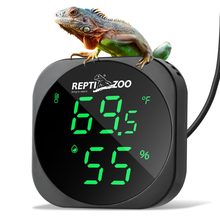
This needs vet-prescribed antibiotics, not a wait-and-see approach. Left untreated, it can progress to pneumonia and become fatal. If you notice any breathing symptoms, raise the enclosure temperature and check humidity immediately, isolate the snake if you have others, and get to a vet as soon as possible. Both of those are numbers a correct setup holds without you intervening.
Scale Rot (Infectious Dermatitis)
Caused by damp, dirty substrate, excess moisture, or general poor hygiene in the enclosure. Look for discolored belly scales (brown, reddish, or yellow), blisters or sores, scales that feel soft or damaged, and a foul odor.
Move your snake to a clean, dry enclosure immediately and correct the humidity level. Mild cases respond to antiseptic or antibiotic treatment, but anything spreading or blistering needs a vet.
Mouth Rot (Infectious Stomatitis)
Often shows up secondary to stress, injury, or ongoing poor husbandry. Signs include pinpoint hemorrhages on the gums, thick excess mucus or pus, cheesy-looking buildup in the mouth, a sour smell, visible swelling, open-mouth breathing, and refusing food. This needs veterinary treatment, it doesn't resolve on its own.
Mites
Look for tiny red or black specks on the scales or clustered around the eyes, along with excessive soaking or rubbing against enclosure surfaces and a drop in appetite. Mites require both treating the snake and deep-cleaning the entire enclosure, since they can persist in the environment even after the snake looks clear.
Internal Parasites
Any newly acquired ball python should get a fecal exam before you assume it's healthy, even if it looks fine and is eating well. Parasites often cause no visible symptoms for months, and by the time signs show up the burden can already be significant. This matters even more for wild-caught and imported animals, which routinely carry a much heavier parasite load than captive-bred snakes, a result of the environments they came from and the stress of collection and shipping. Because captive-bred and imported animals get mixed together at shows and in the pet trade, you can't assume a snake is parasite-free just because a seller says it's captive-bred.
A standard fecal exam commonly turns up protozoa, nematodes, and, in more serious cases, Cryptosporidium serpentis. Most protozoa found in reptile stool are harmless commensals, but some, like Entamoeba invadens, are not and can cause serious illness in snakes. Nematodes such as Strongyloides and Rhabdias show up often and can range from a minor issue to a source of intestinal obstruction or secondary pneumonia depending on species and load. Cryptosporidium is the one that worries vets most. It causes chronic thickening of the stomach lining and repeated regurgitation after meals, has no reliably effective treatment, and can be fatal.
Watch for: weight loss in a snake that's still eating normally, regurgitation of recently eaten meals, and abnormal stool, watery, mucus-heavy, or containing visible worms. Checking stool and urates on a regular basis is worth doing on its own. Our reptile stool and urates guide walks through what normal looks like and what a change might mean.
Treatment depends entirely on what the fecal test finds. Your vet will choose the right dewormer or antiprotozoal and dose based on the specific parasite identified, this isn't something to guess at or treat with an over-the-counter product.
Shedding Problems (Dysecdysis)
Caused by humidity that's too low. Look for flaky, patchy shed that comes off in pieces rather than one clean piece, and check carefully for retained eye caps after any shed that looked incomplete. Prevent this by keeping ambient humidity at 55 to 65%, raising it to 70 to 80% during the shed cycle itself, and providing a humid hide year-round.

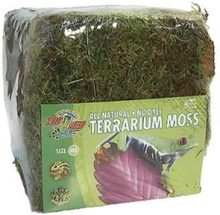
Retained eye caps, where the old clear scale over the eye fails to come off during a shed, can be one of the easiest health problems to miss since the snake's vision and behavior often look completely normal. It's exactly why every shed is worth a quick visual check rather than just confirming the snake looks fine overall.
Thermal Burns
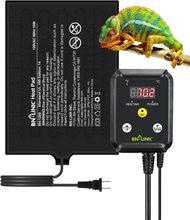
A common, entirely preventable injury caused by heat sources running without a thermostat. This is exactly why every heat element in a ball python enclosure needs to be thermostat-controlled, no exceptions.
Inclusion Body Disease (IBD)
IBD is a viral disease that shows up as neurological symptoms, most recognizably "stargazing," where the snake holds its head up and back at an odd angle as if staring at the sky. Other signs include tremors, abnormal tongue flicking, disorientation, loss of the righting reflex, meaning the snake can't right itself when flipped over, and in advanced cases, seizures.
The disease is caused by reptarenaviruses and primarily affects boas and pythons, the two groups that between them include boa constrictors and ball pythons. Boas can carry the virus for months or years with few outward signs, while pythons tend to develop severe, faster-progressing disease once symptoms appear. It spreads through body fluids, including bites during breeding, fight wounds, and snake mites carrying infected blood between animals. That last route is why a real quarantine is measured in months, since a carrier can look completely healthy for the whole window.
There is no cure for IBD. Diagnosis requires PCR testing and biopsy, and once neurological signs appear, most vets discuss euthanasia rather than treatment. This is exactly why quarantining any new snake for months, away from your existing collection, isn't optional. It's the only real defense against IBD reaching animals you already own.
Prolapse
A prolapse is when internal tissue pushes out through the vent and becomes visible from outside the body. What prolapses can vary, most often it's the cloaca itself, but it can also be the hemipenes in males or a section of the colon. This is always an emergency, not a wait-and-see situation.
If you see prolapsed tissue, keep it clean and moist with a damp paper towel or clean cloth, and get to a vet immediately. Exposed tissue dries out and swells quickly, and the longer it stays out, the harder it is to save. Do not try to push it back in yourself.
Prolapse isn't a standalone disease, it's a symptom of something else going wrong. Straining from constipation or impaction, dehydration, internal parasites, egg binding, or bladder stones can all cause a snake to push hard enough that tissue prolapses. Because of that, a vet visit for prolapse isn't just about the visible tissue, it's about finding and fixing whatever caused the snake to strain in the first place. Without addressing the underlying cause, prolapse tends to recur.
When to See a Vet
- Any wheezing, open-mouth breathing, or visible mucus, this one is urgent
- Belly scale discoloration that's spreading or blistering
- Signs of mouth rot
- A prolapse (keep the area moist and get to a vet as soon as possible)
- Visible mites
A Note on Appetite Refusal
Ball pythons are famous for going on hunger strikes, and a healthy-looking snake in good body condition that refuses a meal or two isn't automatically a health emergency. If husbandry checks out (correct temperature, correct humidity, no other symptoms), it's often reasonable to offer food again in a couple of weeks before assuming something is wrong. If refusal continues alongside weight loss or any other symptom from this list, that's when it's time to get a vet involved.
Sources & Further Reading
❓ Frequently Asked Questions
What is the signature ball python illness?
Respiratory infection, caused by temperatures running too low, incorrect humidity, a dirty enclosure, or ongoing stress. Vets typically see a seasonal spike each winter as enclosures cool down along with the weather outside, and it needs vet-prescribed antibiotics, not a wait-and-see approach.
Is it normal for a ball python to refuse food?
Yes. Ball pythons are famous for hunger strikes, and a snake in good body condition that turns down a meal or two isn't automatically an emergency. With temperature, humidity, and everything else checking out, offering again in a couple of weeks is often reasonable.
What causes scale rot in ball pythons?
Damp, dirty substrate, excess moisture, or general poor hygiene in the enclosure. Look for discolored belly scales, blisters or sores, and a foul odor. Move the snake to a clean, dry enclosure and correct humidity immediately, anything spreading or blistering needs a vet.
How do thermal burns happen in ball python enclosures and how do I prevent them?
They're caused by heat sources running without a thermostat, and they're entirely preventable. Every heat element in a ball python enclosure needs to be thermostat-controlled, no exceptions, and hot rocks should be skipped entirely.
📰 More on the Ball Python
🛒 Recommended Gear
As an Amazon Associate, we earn from qualifying purchases through the links above - at no extra cost to you.
Written by Michael Ryan
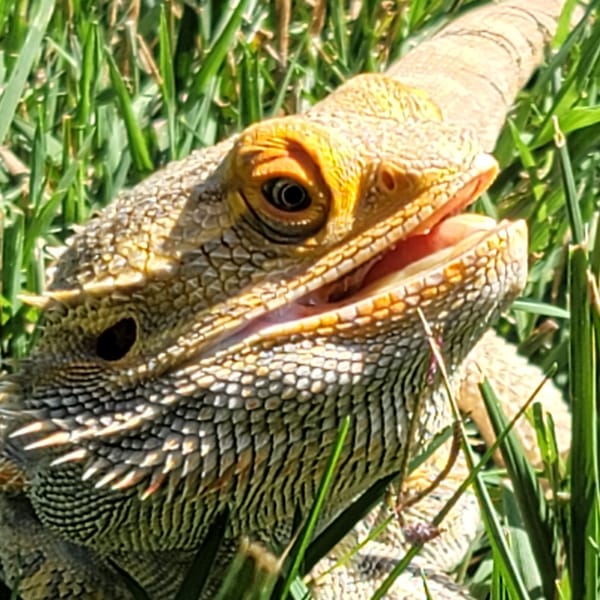
Mike keeps two rescued bearded dragons, Dex and Cera, and writes the care guides on BeastlyFacts from his own research and mistakes. He is not a veterinarian.
More about Michael Ryan →Comments
No comments yet - be the first!