Corn Snake vs. Hognose Snake: Which Beginner-Friendly Snake Fits You
On This Page▾

Corn snakes have been the standard beginner recommendation for decades, while hognoses have surged in popularity more recently thanks to their strange upturned snout and theatrical defensive act. Both are genuinely good beginner options, and the differences come down to feeding reliability, adult size, and whether that rear-fanged mild venom is something you're comfortable with.
The Comparison
| Corn Snake | Hognose Snake | |
|---|---|---|
| Adult length | 3.5-5 ft | 2-3.5 ft |
| Feeding reliability | Reliable, rarely refuses | Can be picky, some scent-preference |
| Venom | None | Mild rear-fanged, not medically significant |
| Humidity needs | 40-60% | 30-50%, genuinely dry-preferring |
| Defense response | Calm, may musk as a hatchling | Dramatic bluff display, then plays dead |
| Escape risk | High - strong and persistent | Lower - fossorial, prefers to burrow |
| Lifespan | 15-20 years | 15-20 years |
| Current popularity trend | Long-standing classic | Rapidly trending |
The Venom Question Everyone Asks About Hognoses
Yes, hognose snakes have small rear fangs and a mild venom, evolved specifically to help them subdue toads, their primary wild prey, which puff themselves up and are otherwise hard to swallow. It's not considered medically significant to a human, which is why captive-bred hognoses are common, popular pets. The one documented bite case in the literature stayed local: swelling, bruising and mild cellulitis, no systemic effects, and a recovery that ran about five months. It is the first thing most people ask about after seeing that upturned snout.
A hognose snake's upturned, shovel-like snout isn't just for show, it's a genuine digging tool that lets the species burrow through loose soil in pursuit of buried toads, its favorite meal in the wild.
Feeding Reliability Favors the Corn Snake
Corn snakes eat like clockwork, taking a properly sized frozen-thawed mouse almost every time it's offered. Hognoses can be more particular, since their wild diet leans heavily on amphibians, and an individual hognose occasionally needs its mouse lightly scented with something toad- or fish-adjacent to trigger real interest. It's rarely a serious problem, but it's a genuine difference from the corn snake's near-total reliability.
Choose a Corn Snake if feeding reliability and decades of established beginner information matter most to you. It's the larger of the two as an adult, needing the full 40-gallon breeder setup, but it's the far more consistent eater.
The Hognose "Death Drop" Is a Bluff, Not a Threat
A threatened hognose puts on one of the most dramatic defensive displays of any pet snake: flattening its neck into a cobra-like hood, hissing loudly, and striking with its mouth closed. If that fails to scare off the threat, it commits fully, flipping onto its back, opening its mouth, and going completely limp in a display called thanatosis, playing dead until the danger passes. It looks alarming the first time you see it, but it essentially never ends in an actual bite. Corn snakes have no equivalent display, staying calm or occasionally musking defensively as hatchlings instead.
A Hognose Snake is the better fit if you want a smaller adult footprint and don't mind an occasionally pickier eater. Its rear fangs and mild venom aren't a real safety concern for a keeper, and that famous death-feigning display essentially never ends in an actual bite.
Size and Enclosure Footprint
Adult hognoses run smaller across the board, typically 2 to 3.5 feet compared to a corn snake's 3.5 to 5 feet, and males stay noticeably smaller than females in both species. That translates to a real difference in adult enclosure size: an adult male hognose can be comfortable in a 20-gallon-equivalent setup, while a corn snake needs the full 40-gallon breeder standard.
Humidity and Substrate Needs Are Nearly Identical
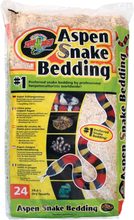
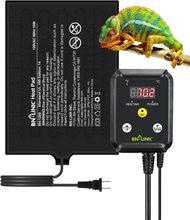
Both species do well on dry-preferring aspen shavings, and both need every heat source run through a proper thermostat, no exceptions. Hognoses run slightly drier at 30 to 50% humidity against a corn snake's 40 to 60% baseline, but the gap is small enough that the same basic dry-substrate setup works well for either species with only minor adjustment.
Bottom Line
Pick a corn snake if feeding reliability and decades of established beginner information matter most to you. Pick a hognose if you're drawn to a smaller adult size, don't mind an occasionally pickier eater, and are comfortable with a mild, medically insignificant rear-fanged venom in exchange for one of the most entertaining defensive displays in the hobby. Both are genuinely solid choices for a first or second snake. The corn snake and hognose snake encyclopedia profiles cover the wild diets behind that feeding-reliability gap.
Sources & Further Reading
Last reviewed 8 Sep 2026 · 4 sources
- Local envenoming by the Western hognose snake (Heterodon nasicus): A case report and review of medically significant Heterodon bites, Toxicon 54(3):354-360 (Weinstein and Keyler, 2009)
- Defensive Behavior of the Hognose Snake (Heterodon platyrhinos), Master's Thesis (Hemken, Eastern Illinois University)
- Heterodon platirhinos (Eastern Hognose Snake), Animal Diversity Web (University of Michigan)
- Pantherophis guttatus (Corn Snake), Animal Diversity Web (University of Michigan)
❓ Frequently Asked Questions
Are hognose snakes venomous, and is that dangerous to keep as a pet?
Technically yes, but not in any way that matters for a pet owner. Hognoses have small rear fangs and a mild venom evolved to subdue toads, their main prey in the wild. It's not considered medically significant to humans, and captive-bred hognoses very rarely bite at all. The one documented bite case in the literature stayed local: swelling, bruising and mild cellulitis, with no systemic effects.
Which is easier to feed, a corn snake or a hognose snake?
Corn snakes, generally. They're reliable, consistent eaters of standard frozen-thawed mice. Hognoses can be pickier, since some individuals show a preference for amphibian scent from their wild toad-eating instincts, occasionally requiring a mouse to be scented to get a hesitant eater interested.
Which snake stays smaller, corn snake or hognose?
Hognose snakes, noticeably. Adult hognoses typically reach 2 to 3.5 feet, while adult corn snakes commonly reach 3.5 to 5 feet. That size difference also means a hognose can be housed comfortably in a smaller adult enclosure, especially adult males, which stay on the smaller end of that range.
Why does my hognose snake play dead?
It's a bluff, not real distress. When a hognose feels seriously threatened, it puts on a dramatic show: flattening its neck like a mini cobra, hissing, and striking with its mouth closed. If that doesn't work, it flips onto its back, opens its mouth, and goes completely limp, playing dead rather than trying to bite or flee. It's one of the most distinctive defensive behaviors of any pet snake and it essentially never leads to an actual bite.
Which is better for a first snake, a corn snake or a hognose snake?
Corn snakes are still the more universally recommended first snake, thanks to unmatched feeding reliability and decades of established beginner-friendly husbandry information. That said, hognoses have become a very popular second choice, or even a first snake for someone specifically drawn to their unusual look and famous defensive display, and their smaller adult size is a genuine point in their favor.
Do corn snakes or hognose snakes need higher humidity?
Hognoses run drier. They're an arid-preferring species at 30 to 50% ambient humidity, with just one dedicated humid hide for shedding. Corn snakes sit a bit higher, with many sources citing a 40 to 60% baseline. Neither is a high-humidity species compared to something like a ball python, but a hognose is the drier of the two by design, reflecting its native prairie and scrubland habitat.
🐍 How Much Does a Corn Snake Really Cost?
🐍 How Much Does a Western Hognose Snake Really Cost?
🐍 How to Handle a Corn Snake
🐍 How to Handle a Western Hognose Snake (And Why the Drama Is Mostly Bluff)
🐍 Common Corn Snake Health Issues and What Causes Them
🐍 Common Western Hognose Snake Health Issues
🐍 Corn Snake Tank Setup: Floor Space, a Mandatory Thermostat, and a Humidity Debate
🐍 Western Hognose Snake Tank Setup: Dry, Deep, and Built for Burrowing
🐍 Corn Snake Feeding: Schedule, Diet, and Why They Stop Eating
🐍 Corn Snake Enrichment: The Species With the Most Research Behind It
🐍 Hognose Enrichment: They Were Asked, and They Chose
🐍 Is It Legal to Own a Corn Snake? State-by-State Guide
🐍 Is It Legal to Own a Hognose Snake? State-by-State Guide
🛒 Recommended Gear
As an Amazon Associate, we earn from qualifying purchases through the links above - at no extra cost to you.
Written by Michael Ryan
Mike keeps two rescued bearded dragons, Dex and Cera, and writes the care guides on BeastlyFacts from his own research and mistakes. He is not a veterinarian.
More about Michael Ryan →Comments
No comments yet - be the first!