Ball Python vs. Corn Snake: Which Beginner Snake Fits You Better
On This Page▾

Both get recommended as the classic first snake, and both are good choices for different reasons. The honest differences come down to how reliably each one eats, how much humidity you can maintain, how seriously you need to take escape-proofing, and how long a commitment you're actually signing up for.
The Comparison
| Ball Python | Corn Snake | |
|---|---|---|
| Adult length | 3-5 ft, heavy-bodied | 3-5 ft, slender |
| Feeding reliability | Prone to feeding strikes | Reliable, rarely refuses |
| Humidity needs | 55-65% (up to 80% shedding) | 40-50% |
| Escape risk | Low - calmer, less driven | High - strong and persistent |
| Handling temperament | Curls into a ball, very calm | Docile but more active |
| Lifespan | 20-30 years | 15-20 years |
| Defense response | Balls up, essentially never bites | May musk as a hatchling |
| Price range | Wide - common to very expensive morphs | Generally affordable and widely bred |
Feeding Is the Difference That Catches People Off Guard
Corn snakes eat like clockwork - offer a properly sized mouse on schedule and it disappears almost every time. Ball pythons have a well-earned reputation for feeding strikes, sometimes refusing food for weeks or months, often around shedding, breeding season, or simple stress from a new environment. It's rarely actually dangerous for a healthy adult ball python to skip several meals, but it's exactly the kind of thing that panics a first-time owner who doesn't know it's normal.
A healthy adult ball python can safely go several months without eating and lose surprisingly little body condition - some have been documented fasting through an entire breeding season without any lasting harm, which is part of why feeding strikes, while alarming to watch, aren't the emergency they look like.
Humidity and Enclosure Needs Diverge
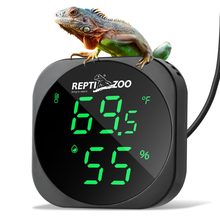
Ball pythons come from humid grasslands in West and Central Africa and need enclosure humidity in the 55 to 65% range, climbing to 70 to 80% while shedding, or sheds come off in stubborn pieces instead of one clean layer. Corn snakes are native to the drier central and eastern United States and are comfortable at 40 to 50%, much closer to normal household air. If you live somewhere dry and don't want to fuss with misting or a humidity hide constantly, a corn snake is the more forgiving choice.
Escape-Proofing Matters More With One Than the Other
Corn snakes are famous escape artists - strong for their size, endlessly curious about gaps, and capable of pushing through openings that look far too small. A corn snake enclosure needs a genuinely secure, latching lid, no exceptions. Ball pythons are calmer and less motivated to search for a way out, though "less motivated" still isn't "incapable," so neither snake should be kept in anything with a loose-fitting top. Handling a ball python still assumes a secure, locking, front-opening enclosure to put it back into.
A Corn Snake is the better fit if you want the more reliable eater and lower-maintenance humidity, since it's comfortable much closer to normal household air. Take that tradeoff seriously on the enclosure side though, corn snakes are strong, persistent, and good at finding a gap in a loose-fitting lid.
Handling and Temperament
Ball pythons are famously docile - their whole defense strategy is to curl into a tight ball rather than strike, which is where the name comes from. Corn snakes are also generally easygoing but more active and wriggly during handling, and young hatchlings will sometimes musk defensively when first picked up. Neither is aggressive as a species; the difference is more about how much movement you want on your hands.
The Lifespan Commitment Is Bigger Than People Expect
A corn snake's 15 to 20 year lifespan is already a serious commitment. A ball python's 20 to 30 years is longer still - genuinely comparable to committing to a dog or a large parrot. Both will very likely outlive a lot of life changes between now and then, which is worth sitting with before bringing either one home.
Choose a Ball Python if the calmest possible handling temperament matters most to you and you can stay unbothered by an occasional skipped meal. You get a snake that curls up rather than bites or bolts, in exchange for higher humidity upkeep and a lifespan commitment that can run 20 to 30 years, longer than almost any other beginner reptile.
Bottom Line
Pick a corn snake if you want the more reliable eater, don't mind taking escape-proofing seriously, and are comfortable with drier average humidity. Pick a ball python if you want the calmest possible handling temperament, can stay unbothered by an occasional skipped meal, and are ready for a commitment that can stretch past 20 years. Neither is the objectively "easier" snake - they're just easy in different ways. The ball python and corn snake encyclopedia profiles cover the wild ranges behind those humidity and temperament differences.
Sources & Further Reading
❓ Frequently Asked Questions
Which is easier to feed, a ball python or a corn snake?
Corn snakes, by a wide margin. They're reliable, voracious eaters that rarely refuse a meal. Ball pythons are notorious for feeding strikes - going weeks or even months without eating, especially when stressed or newly acquired - which is unsettling for a first-time owner even though it's rarely dangerous.
Which snake is more likely to escape its enclosure?
Corn snakes, easily. They're strong, persistent, and remarkably good at finding and exploiting any gap in a lid or door. Ball pythons are calmer and less driven to escape, though a loose enclosure is still a bad idea with either species.
Do ball pythons or corn snakes need higher humidity?
Ball pythons need it higher - generally 55 to 65%, climbing to 70 to 80% during a shed - since they come from humid West and Central African grasslands. Corn snakes are native to the drier central and eastern United States and do fine around 40 to 50%, closer to normal household humidity.
Which snake lives longer, a ball python or a corn snake?
Ball pythons, often by a decade or more. A well-kept ball python commonly lives 20 to 30 years in captivity. Corn snakes typically live 15 to 20 years. Both are a genuine long-term commitment, but a ball python is the bigger one.
Which is calmer to handle, a ball python or a corn snake?
Ball pythons, generally. Their entire defense strategy is to curl into a tight ball rather than bite or flee, which is exactly how they got their name. Corn snakes are also docile but more active and wriggly on the hand, and hatchlings will sometimes musk (release a smelly defensive secretion) when first handled.
Is a corn snake a type of python?
No. Corn snakes are colubrids, the same broad family as kingsnakes and rat snakes, not pythons at all. Ball pythons are pythonids, a completely separate family. They're unrelated beyond both being non-venomous constrictors, which is exactly why they make such a useful side-by-side comparison: two different snake families that ended up as two of the most recommended first snakes for very different reasons.
🐍 How Much Does a Ball Python Really Cost?
🐍 How Much Does a Corn Snake Really Cost?
🐍 How to Handle a Ball Python: Timing Matters More Than Technique
🐍 How to Handle a Corn Snake
🐍 Common Ball Python Health Issues and What Causes Them
🐍 Common Corn Snake Health Issues and What Causes Them
🐍 Ball Python Tank Setup: Humidity Is the Detail That Makes or Breaks It
🐍 Corn Snake Tank Setup: Floor Space, a Mandatory Thermostat, and a Humidity Debate
🐍 Corn Snake Feeding: Schedule, Diet, and Why They Stop Eating
🐍 Ball Python Enrichment: What 35 Snakes in a Study Actually Showed
🐍 Corn Snake Enrichment: The Species With the Most Research Behind It
🐍 Is It Legal to Own a Ball Python? State-by-State Guide
🐍 Is It Legal to Own a Corn Snake? State-by-State Guide
🐍 10 Surprising Ball Python Facts
🛒 Recommended Gear
As an Amazon Associate, we earn from qualifying purchases through the links above - at no extra cost to you.
Written by Michael Ryan
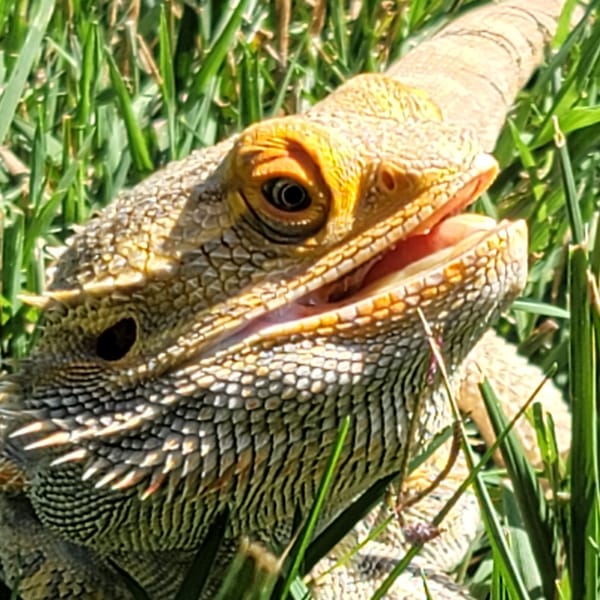
Mike keeps two rescued bearded dragons, Dex and Cera, and writes the care guides on BeastlyFacts from his own research and mistakes. He is not a veterinarian.
More about Michael Ryan →Comments
No comments yet - be the first!