Ball Python Feeding: Everything You Need to Know
On This Page▾

Ball pythons are one of the most popular pet snakes in the world, and one of the most notorious food refusers. Understanding their feeding behavior will save you a lot of stress.
Feeding Schedule
- Hatchlings (0-6 months): Every 5-7 days
- Juveniles (6-18 months): Every 7-10 days
- Adults (18+ months): Every 10-14 days
Prey Size
Feed prey that is roughly the same width as the widest point of your snake's body. For most adult ball pythons, that's a medium rat. Too large = regurgitation; too small = nutritional inadequacy.
Frozen/Thawed is Best
Always feed frozen/thawed (F/T) rodents. Live prey can injure your snake. Thaw in the refrigerator or in a bag submerged in cool to lukewarm water, then warm the thawed rodent gently before offering it. Never microwave. The prey should feel warm to the touch.
Why Ball Pythons Refuse Food
- Breeding season (Oct-March): Males especially go off food during this period - completely normal, and the same seasonal dip shows up without any deliberate cooling
- Shedding: Most snakes refuse food when in shed (opaque eyes, dull skin), and the refusal lifts on its own once the shed completes
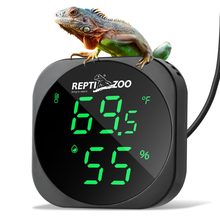
- Incorrect temperatures/humidity: The #1 husbandry-related cause
- Stress: New enclosure, too much handling, too little hide cover
- Seasonal response: Wild instinct to fast in cooler months
If refusals stretch on and come with any physical symptoms, don't just wait it out.
Prey Type Chart
Mice and rats are the staple, and for most keepers they should stay that way for the life of the snake. The options below are situational tools, not replacements.
| Prey | What It Is | When Keepers Use It | Caveat |
|---|---|---|---|
| Mice / Rats | Standard feeder rodents, bred specifically for reptile feeding | Every regular feeding, from hatchling to adult | The nutritionally complete staple. No reason to move off these long-term |
| African Soft-Furred Rats (ASF) | A different rodent species than the common feeder rat, milder-smelling and thinner-skinned | To restart a stubborn or newly-acquired feeder, since the different scent can trigger a strike response a snake is ignoring in a regular mouse or rat | Situational fix, not a diet. Once the snake is feeding reliably again, most keepers transition back to mice or rats |
| Day-Old Chicks | Poultry chicks, usually sold frozen through reptile suppliers | Occasional variety, sometimes offered to snakes that have gone stubbornly off rodents | Different fat and nutrient profile than rodents, and more feathers and waste per feeding. Not meant to be a staple |
| Quail | Whole quail or quail chicks, smaller than a chick meal | Variety feeding, occasionally used the same way as chicks for a stalled feeder | Same feathers-and-waste tradeoff as chicks, plus a different nutrient balance than rodent prey |
The Merck Veterinary Manual notes that keepers commonly rotate in more than one prey type because nutrient content varies meaningfully across vertebrate prey species, and relying on a single feeder species isn't necessary or, for some collections, even practical.
Thawing Method and Temperature
This is the part most keepers get sloppy on, and it matters more than the schedule.
How to thaw. Put the frozen rodent in the refrigerator until it's fully thawed, or seal it in a bag and submerge it in cool to lukewarm water, changing the water as needed until there's no frozen core left. Refrigeration is the method the Merck Veterinary Manual points to as standard practice. Never thaw at room temperature on a counter for hours, and never use a microwave. A microwave heats unevenly, which can leave the inside still frozen while pockets on the outside are hot enough to burn your snake's mouth or, in the worst cases, cause the prey itself to rupture.
How warm is warm enough. Once thawed, don't feed it straight from the refrigerator. The Merck Veterinary Manual is direct about this: prey "should not be fed cold but at room temperature, or preferably warmer." Ball pythons hunt partly by detecting heat through the pit organs along their upper lip, which pick up on infrared radiation from a source that's warmer than its surroundings. A cold, thawed rodent doesn't register as prey the same way. Warming it gently, for example under a lamp for a few minutes or by running warm water over the outside of the sealed bag, gets it into a range the snake's heat pits can actually detect.
Do not overheat it trying to compensate. Hot water or a lamp left too long can cook the prey internally, which risks the body cavity rupturing when the snake constricts or swallows it, and it creates a real scald risk to the inside of your snake's mouth. If you don't have a way to measure surface temperature directly, warm gradually and check by touch often rather than leaving it under heat and walking away.
Freezer Storage
Frozen prey doesn't stay in ideal condition forever, and how you store it affects both your snake's food and your own safety in the kitchen.
Storage life and freezer burn. According to the FDA, food held at a steady 0°F stays safe to eat indefinitely, but quality declines the longer it sits in the freezer. Freezer burn, those grey, dried-out patches you sometimes see on long-frozen prey, is a quality issue rather than a safety one, and it happens when packaging isn't airtight. Keep prey in its original sealed packaging or rebag it well, and don't let stock sit for a year or more just because the freezer says it's technically fine.
Thaw once. Once a rodent has been thawed, do not refreeze it. Refreezing thawed meat degrades quality further and gives bacteria more opportunity to multiply during the second thaw cycle. If you thaw more than your snake will eat, that prey item is a loss, not leftovers to put back in the freezer.
Handling it safely yourself. Frozen feeder rodents carry a real Salmonella risk to the people handling them, not just to the snake. The CDC has documented multiple Salmonella outbreaks tied to frozen feeder rodents and recommends washing your hands thoroughly with soap and water immediately after handling frozen rodents or anything in the area where they were stored, thawed, or prepared. Keep frozen rodents away from areas where human food and drink are stored, prepared, served, or consumed, and use storage containers and utensils that are dedicated to feeder rodents and never touch human food. Don't thaw prey in the kitchen sink you use for dishes, and never use a microwave or kitchen utensil meant for human food to handle it.
When to Worry
A healthy adult ball python can go 3-6 months without eating. Worry if: rapid weight loss, lethargy plus refusal, mucus around the mouth, or wheezing accompanies the fast. Each of those has a specific cause worth recognizing, and they are laid out in the ball python health issues guide.
Feed correctly, be patient, and trust the process. The refusals make more sense against the wild diet in the ball python encyclopedia profile: a snake built to wait in a burrow for the next rodent is not in trouble after a couple of skipped weeks.
Sources & Further Reading
❓ Frequently Asked Questions
How do I safely thaw frozen prey for my ball python?
Thaw it first, either in the refrigerator or sealed in a bag in cool to lukewarm water, changing the water until there is no frozen core left. Then warm it gently before offering, since prey should not be fed cold. Never microwave prey: it heats unevenly, which can leave hot spots that burn a snake's mouth while the inside stays frozen.
Is frozen/thawed prey better than live prey?
Yes. Live rodents can bite and seriously injure a snake, sometimes fatally, especially if the snake isn't hungry enough to strike immediately. Frozen/thawed removes that risk entirely and is the standard recommendation from reptile veterinarians.
Is it safe to handle my ball python right after it eats?
No - wait 48 to 72 hours before handling. Handling too soon after a meal is one of the most common causes of regurgitation, which is stressful for the snake and nutritionally costly, and repeated episodes can lead to more serious digestive issues over time.
What size prey should I feed an adult ball python?
Prey roughly the same width as the widest part of the snake's body - usually a medium rat for adults. Prey that's too large risks regurgitation; prey that's too small provides inadequate nutrition over time.
Should I feed my ball python inside or outside its enclosure?
Inside is generally better. Moving a ball python to a separate feeding container was once common advice to avoid substrate ingestion, but it's now understood to add unnecessary stress and is linked to higher rates of food refusal in an already food-shy species. As long as loose substrate isn't a choking hazard, feeding in place is the better practice.
📰 More on the Ball Python
🛒 Recommended Gear
As an Amazon Associate, we earn from qualifying purchases through the links above - at no extra cost to you.
Written by Michael Ryan
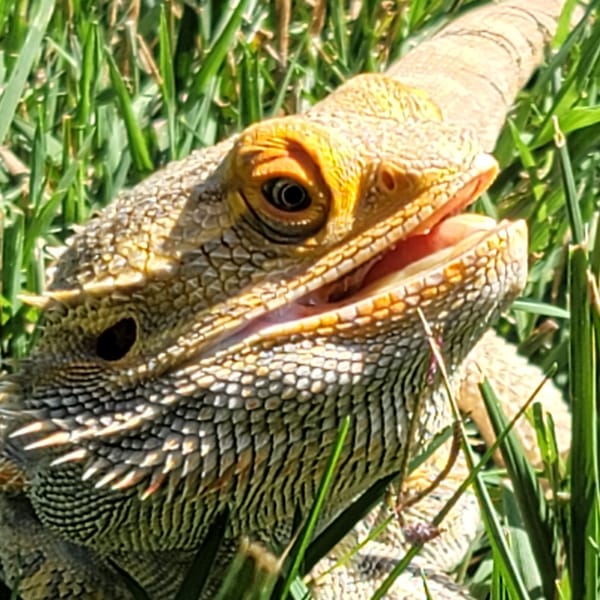
Mike keeps two rescued bearded dragons, Dex and Cera, and writes the care guides on BeastlyFacts from his own research and mistakes. He is not a veterinarian.
More about Michael Ryan →Comments
No comments yet - be the first!