Common Corn Snake Health Issues and What Causes Them
On This Page▾

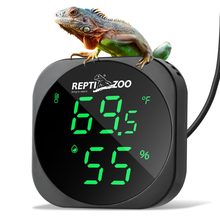
Corn snakes are one of the hardier pet snakes, and nearly every health problem they develop traces back to husbandry rather than bad luck. Get temperature, humidity, and substrate right, and this list mostly stays theoretical.
Respiratory Infection
The most common issue in pet corn snakes, usually bacterial and almost always secondary to an enclosure that's too cold or too damp.
Watch for: open-mouth breathing, wheezing or an audible clicking sound, mucus or discharge around the nose or mouth, and lethargy.
This needs a reptile vet and prescription antibiotics, not a wait-and-see approach. Left untreated it can become serious quickly.
Scale Rot (Necrotic Dermatitis)
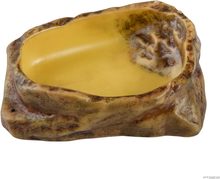
A bacterial infection of the belly scales, usually caused by damp or dirty substrate, or a water bowl that's been overflowing or sitting unchanged too long.
Watch for: discolored belly scales (brown, yellow, or black), skin that looks soft, mushy, or blistered, and a foul smell. Fix the underlying husbandry issue and see a vet, especially if it's spreading.
Mites
Look for tiny black or red specks moving on your snake's scales or floating in the water bowl. Mites cause irritation and, in significant infestations, anemia and real stress on the animal. Treating the snake alone isn't enough, the whole enclosure needs to be treated at the same time or the infestation just comes back.
Retained Shed (Dysecdysis)
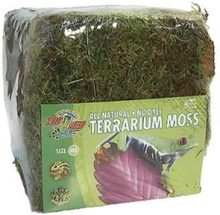
Almost always a humidity problem. Look for patches of skin, or retained eye caps, that didn't come off cleanly during a shed. A humid hide with damp sphagnum moss available during shed cycles prevents most of this.
Retained eye caps are one of the easiest shed problems to miss since a corn snake's vision and behavior often look completely normal with one still in place. It's exactly why every shed is worth a quick visual check, not just confirmation the old skin came off in one piece.
Mouth Rot (Infectious Stomatitis)
An infection of the mouth tissue. Signs include swollen or reddened gums and visible discharge. This needs veterinary treatment rather than home care.
A Few Other Things to Watch For
- Regurgitation usually comes from handling too soon after a meal or an enclosure that's running too cold for proper digestion.
- Obesity is a real risk from overfeeding, corn snakes don't need to eat as often as new owners sometimes assume.
- Internal parasites show up as weight loss and diarrhea despite normal eating.
- Neurological signs like star-gazing (holding the head tilted up and back) or corkscrewing movements are rare but serious, and warrant an immediate vet visit.
When to See an Exotic Vet
Get a new corn snake checked within the first few weeks of ownership, and plan on an annual wellness exam with a fecal test after that. See a vet promptly for open-mouth breathing or wheezing, visible mites, discolored or soft belly scales, repeated regurgitation, any mouth swelling or discharge, or neurological symptoms. A reptile-experienced vet found through the Association of Reptilian and Amphibian Veterinarians is worth locating before you actually need one.
Diet related problems like regurgitation and obesity are common too. The feeding guide has the prey sizing and the schedule that prevent both.
Sources & Further Reading
Last reviewed 11 Jul 2026 · 1 source
❓ Frequently Asked Questions
What is the most common health problem in corn snakes?
Respiratory infection. It's usually bacterial, and almost always follows an enclosure that runs too cold or too damp. Watch for open-mouth breathing, clicking or wheezing, mucus at the nose or mouth, and lethargy. That combination needs a reptile vet and prescription antibiotics, not a wait-and-see approach.
What causes scale rot in corn snakes?
Damp or dirty substrate, or a water bowl that overflows or sits unchanged too long. Signs are belly scales gone brown, yellow, or black, skin that looks soft, mushy, or blistered, and a foul smell. Fix the husbandry problem and see a vet, especially if it's spreading.
How do I treat mites on a corn snake?
Treat the enclosure at the same time as the snake. Treating the snake alone lets the infestation come back. You'll see the mites as tiny black or red specks moving on the scales or floating in the water bowl.
What neurological signs in a corn snake need immediate attention?
Star-gazing, where the head is held tilted up and back, and corkscrewing movements. Both are rare but serious, and warrant an immediate vet visit.
📰 More on the Corn Snake
📘 Corn Snake care guide
🐍 How Much Does a Corn Snake Really Cost?
🐍 How to Handle a Corn Snake
🐍 Corn Snake Tank Setup: Floor Space, a Mandatory Thermostat, and a Humidity Debate
🐍 Corn Snake Feeding: Schedule, Diet, and Why They Stop Eating
🐍 Corn Snake Enrichment: The Species With the Most Research Behind It
🛒 Recommended Gear
As an Amazon Associate, we earn from qualifying purchases through the links above - at no extra cost to you.
Written by Michael Ryan
Mike keeps two rescued bearded dragons, Dex and Cera, and writes the care guides on BeastlyFacts from his own research and mistakes. He is not a veterinarian.
More about Michael Ryan →Comments
No comments yet - be the first!