Ball Python
Python regius
On This Page▾
🌍 Overview
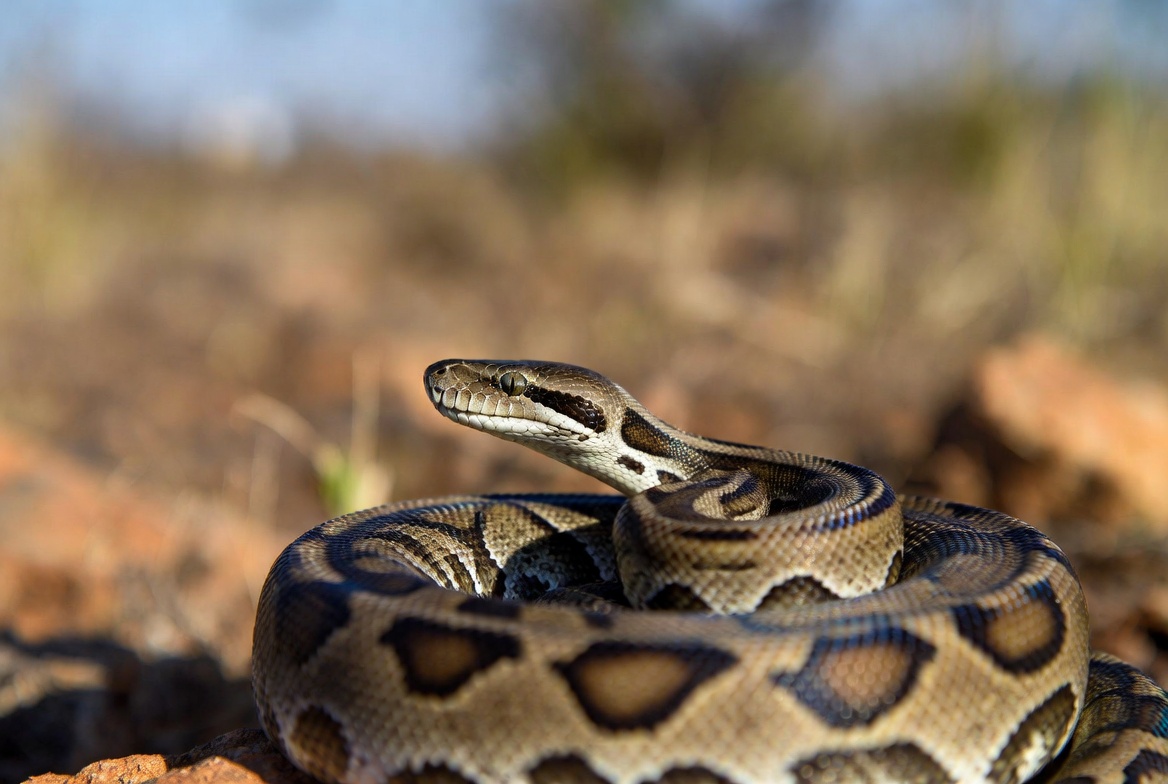
The ball python - called the royal python in Europe - is native to the grasslands and open forests of sub-Saharan West and Central Africa. Its common name comes from its defensive behavior of coiling into a tight ball with its head protected in the center. They are the most popular pet snake in the world, with hundreds of color morphs developed through selective breeding. Wild populations face pressure from over-collection for the pet trade and habitat loss.
📋 Quick Facts
Native Range
West and Central Africa (Senegal to Uganda)
Natural Habitat
Grassland, open forest, and agricultural land
Adult Size
3-5 feet (90-150 cm); females significantly larger
Wild Diet
Small mammals, birds, and amphibians
Wild Lifespan
About 10 years on average in the wild; around 20 years in captivity, with zoo reports approaching 50
Conservation Status
Least Concern (IUCN)
📜 History
Almost the entire pet supply traces to three countries at the center of the range, Benin, Ghana, and Togo, which have exported close to four million ball pythons since 1978, most of them to the United States. Snakes were taken straight from the wild through the 1980s and 1990s, and all three switched to ranching as the dominant reported method in the early 2000s, collecting eggs and juveniles and releasing a share back. The captive-bred hobby most keepers buy from grew out of the 1990s, when the first albino ball pythons were bred and the morph market followed. The species now accounts for roughly 80 percent of all CITES Appendix II snake exports, which is why its trade gets studied more closely than any other snake's.
⚖️ Compare
Ball Python
Human
Adult Size
3-5 feet (90-150 cm); females significantly larger
5-6 feet (150-185 cm); ~135-200 lbs
Wild Lifespan
About 10 years on average in the wild; around 20 years in captivity, with zoo reports approaching 50
~73 years (global average)
Wild Diet
Small mammals, birds, and amphibians
Omnivorous - eats just about anything
Native Range
West and Central Africa (Senegal to Uganda)
Global - originated in Africa roughly 300,000 years ago
Natural Habitat
Grassland, open forest, and agricultural land
Everywhere from arctic tundra to tropical megacities
Conservation Status
Least Concern (IUCN)
Least Concern (8+ billion and counting)
🧠 Test Yourself
What's the Ball Python's native range?
🤩 Fun Facts
🐍 Months Without Eating
Ball pythons can go months without eating when they're in breeding season, and that's totally normal. It's a natural fasting behavior, not a sign of illness.
📖 Care Guide
Ball Python Care Guide
The gentle noodle that curls into a perfect ball when shy!
⚖️ Where it is legal
6 US jurisdictions restrict this species, from outright bans to permits. Every one quotes the rule it comes from.
⚖️ Legal Guide
Subscribe - it's free
New animal facts and care guides straight to your inbox. No spam. 🐾
📰 Deep Dive
🐍 How Much Does a Ball Python Really Cost?
🐍 How to Handle a Ball Python: Timing Matters More Than Technique
🐍 Common Ball Python Health Issues and What Causes Them
🐍 Ball Python Tank Setup: Humidity Is the Detail That Makes or Breaks It
🐍 Ball Python Feeding: Everything You Need to Know
🐍 Ball Python Enrichment: What 35 Snakes in a Study Actually Showed
🩺 Health and More
🐍 Brumation in Pet Snakes: How to Safely Cool Down Ball Pythons and Corn Snakes
🔌 Reptile Emergency Plan: Power Outages, Travel, and Pet Sitters
💧 Reading Reptile Stool, Urates, and Hydration: A Daily Health Check
🧼 Salmonella and Reptile Hygiene: The Rules That Actually Matter
🌡️ Reptile Heating and Thermostats: Preventing Burns
🧫 Reptile Quarantine: Why New Snakes and Lizards Need Months, Not Weeks
🐍 Sexing, Growth, and Body Condition in Pet Snakes
🐍 How Snakes Actually Shed, and Why Humidity Is Not the Engine
🦎 Understanding Reptile Shedding (Ecdysis)
🦎 Five Reptiles That Actually Make Sense for Beginners
🐍 Ball Python vs. Corn Snake: Which Beginner Snake Fits You Better
🐍 Ball Python vs. Boa Constrictor: Which Snake Actually Fits Your Space
🤓 Did You Know?
Ball pythons can go 3 to 6 months without eating (though they shouldn't have to). When scared, they curl into a tight ball to protect their head, hence the name!
Explore More