Ball Python Tank Setup: Humidity Is the Detail That Makes or Breaks It
On This Page▾

Ball python husbandry has shifted over the past several years, bigger enclosures and more clutter are now the standard, replacing the old advice about keeping them in small tubs.
Enclosure Size
The current standard for an adult is a 4x2x2 ft (48x24x24 inches, roughly 120 gallons, about 8 square feet of floor space) setup, with the enclosure at least as long as the snake itself. Scale down for younger snakes: hatchlings up to about 300 grams do well in a 10-gallon or 20x11x13 inch enclosure, and juveniles under 3 feet can move into a 36x18x18 inch setup.
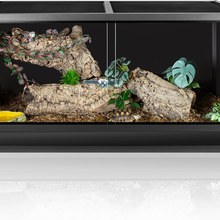
Bigger, more furnished enclosures are now recommended over the old "small tub reduces stress" approach. PVC is the better material choice for this species since it holds humidity far more effectively than glass, if you do go with glass, cover three sides to help retain moisture. Whatever material you choose, make sure it's secure and locking, ball pythons are excellent escape artists. House one snake per enclosure.
Temperature Gradient
| Zone | Target Temperature |
|---|---|
| Warm side/basking | 88 - 92°F (air temp should not exceed 95°F anywhere) |
| Cool side | 75 - 80°F |
| Nighttime | 72 - 75°F |
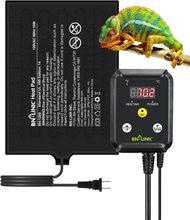
Every single heat source needs to run through a thermostat, no exceptions. This isn't a suggestion, it's what prevents burns and fire hazards, which is the whole reason reptile thermostats exist. Skip hot rocks entirely.
Humidity: The Part That Determines Success
This is where most ball python problems start. Keep ambient humidity at 55 to 65%, and raise it to 70 to 80% specifically during shedding cycles. Too dry leads to bad sheds and raises respiratory infection risk. Too wet without adequate ventilation swings the other way, toward scale rot and respiratory issues from the opposite direction.
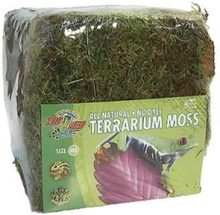
A few things that help maintain a stable range: a moisture-retaining substrate, an appropriately sized water bowl, a dedicated humid hide packed with damp sphagnum moss, and periodic misting when needed. Check humidity with a real digital hygrometer, not a cheap analog dial, those are notoriously inaccurate.
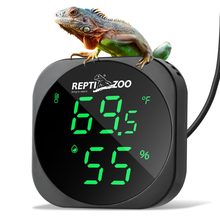
A ball python enclosure can look perfectly fine at a glance, correct temperature, clean substrate, a snake that seems fine, while quietly running too dry. Humidity problems tend to show up weeks later as a bad shed rather than immediately, which is exactly why a real digital hygrometer rather than a guess is worth having.
UVB: Not Required, But Not Without Benefit Either
Ball pythons have been kept successfully for decades with zero UVB, so it's genuinely optional. That said, providing a low-level UVB gradient is a reasonable piece of enrichment if you want to include it. Separately, run a 12-hour light, 12-hour dark photoperiod using an LED on a timer, and avoid bright white or colored bulbs at night, a ceramic heat emitter is the better choice if you need supplemental night heat.
Substrate
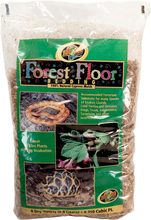
Cypress mulch or coconut coir/husk, 3 to 4 inches deep, are the best choices for holding humidity at the level this species needs. Paper towels work fine temporarily, for quarantine setups, for example, where a bare floor is the point, but won't hold humidity well long-term. Avoid aspen entirely, it tends to mold at the humidity level ball pythons require. And never use pine or cedar, both contain aromatic oils that are toxic to reptiles.
Furnishings
Provide at least two hides, one on the warm side and one on the cool side, and size them snugly. Ball pythons feel most secure in a hide where their body is touching the sides on multiple points, not floating in open space. Add a heavy, tip-resistant water bowl large enough for the snake to soak in when it wants to.
Clutter matters more for this species than people expect. Plants, branches, and leaf litter aren't just decoration, ball pythons are naturally shy, and an enclosure that feels too open and exposed causes chronic stress, which shows up as feeding refusal and general skittishness. Add sturdy, well-anchored branches too, braced firmly enough that a snake can push against one without it shifting, and they will use them.
Diet, Briefly
Ball pythons are carnivores, fed appropriately sized frozen-thawed rodents with tongs, directly in the enclosure rather than in a separate feeding tub, since that added stress is a common cause of regurgitation. Prey size, the schedule by age, and how to thaw and warm a rodent so a snake will actually take it are all in the ball python feeding guide. Resist the urge to overfeed, obesity is a real and common issue in captive ball pythons, and weighing the snake catches it earlier than eyeballing it does.
Sources & Further Reading
Last reviewed 7 Jul 2026 · 3 sources
❓ Frequently Asked Questions
What size enclosure does an adult ball python need?
4x2x2 ft (roughly 120 gallons, about 8 square feet of floor space) is the current standard for an adult, replacing the old advice about keeping them in small tubs. Scale down for younger snakes: hatchlings do well in a 10-gallon, juveniles under 3 feet in a 36x18x18 inch setup.
Why is PVC recommended over glass for ball pythons?
PVC holds humidity far more effectively than glass, and humidity is the detail that determines success with this species more than almost anything else. If you do use glass, cover three sides to help retain moisture.
What humidity level does a ball python need?
Ambient 55 to 65%, raised to 70 to 80% while the snake is in shed. Dry air gives bad sheds and raises respiratory infection risk; too wet without ventilation goes the other way, toward scale rot.
Why do ball pythons need so much clutter and cover?
They are naturally shy, and an enclosure that feels open and exposed causes chronic stress, seen as feeding refusal and general skittishness. Plants, branches, and leaf litter are what make the snake secure enough to behave normally.
🛒 Recommended Gear
As an Amazon Associate, we earn from qualifying purchases through the links above - at no extra cost to you.
Written by Michael Ryan
Mike keeps two rescued bearded dragons, Dex and Cera, and writes the care guides on BeastlyFacts from his own research and mistakes. He is not a veterinarian.
More about Michael Ryan →Comments
No comments yet - be the first!