African Fat-Tailed Gecko
Hemitheconyx caudicinctus
On This Page▾
🌍 Overview
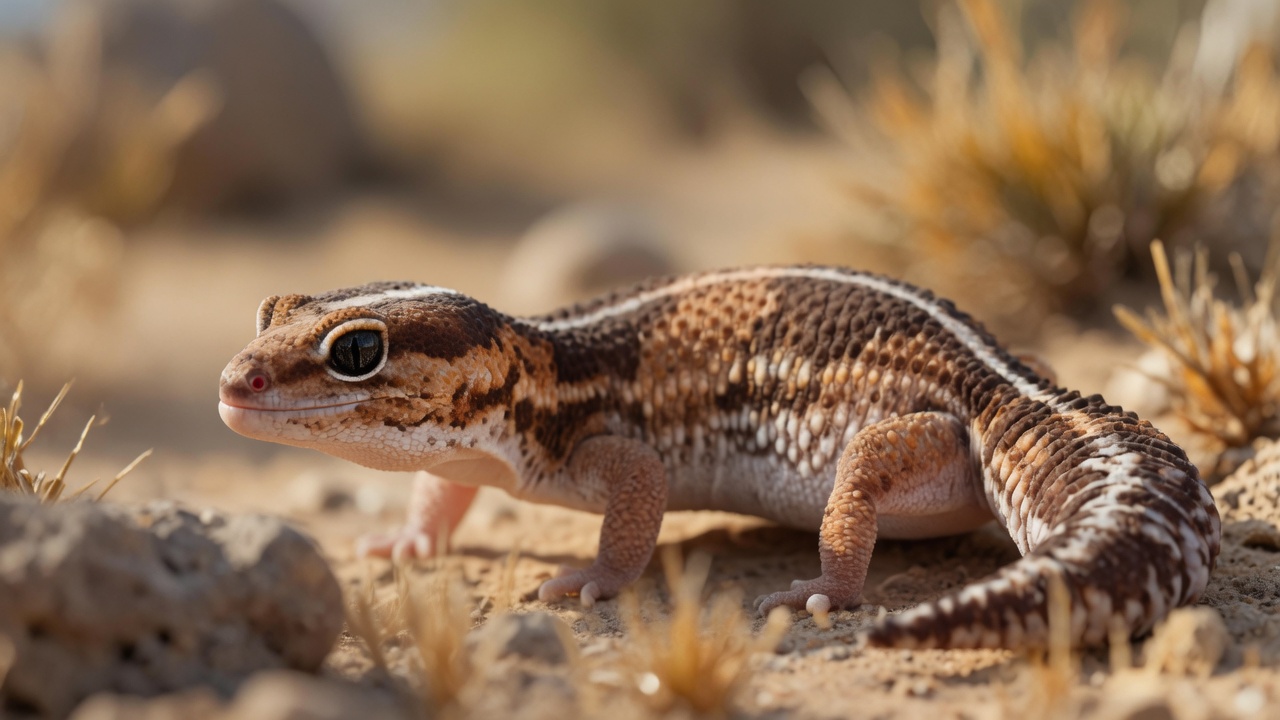
The African fat-tailed gecko hails from the arid savanna and scrubland of West Africa, where it shelters in rock crevices and termite mounds by day. Like the leopard gecko, it is a terrestrial species with true eyelids. Its thick tail stores fat reserves for use during food scarcity - a trait reflected in its name. They are generally calmer and more tolerant of handling than many other gecko species.
📋 Quick Facts
Native Range
West Africa (Senegal to Cameroon)
Natural Habitat
Arid savanna, dry forest, and rocky scrubland
Adult Size
7-9 inches (18-23 cm)
Wild Diet
Insects, worms, and small invertebrates
Wild Lifespan
Not documented (the widely quoted 10-20 years is a captive range; wild longevity for this species has not been studied)
Conservation Status
Least Concern (IUCN)
📜 History
Auguste Duméril described the species in 1851 from West African material. It reached Western collections through the same export pipeline that supplied ball pythons and savannah monitors, moving out through Ghana, Togo and Benin, and for years most animals offered for sale were wild caught adults. Captive breeding caught up slowly, and selective work in the trade has since produced a long run of color and pattern variants. It remains the second most widely kept member of the eyelid gecko subfamily, well behind the leopard gecko despite filling much the same role.
⚖️ Compare
African Fat-Tailed Gecko
Human
Adult Size
7-9 inches (18-23 cm)
5-6 feet (150-185 cm); ~135-200 lbs
Wild Lifespan
Not documented (the widely quoted 10-20 years is a captive range; wild longevity for this species has not been studied)
~73 years (global average)
Wild Diet
Insects, worms, and small invertebrates
Omnivorous - eats just about anything
Native Range
West Africa (Senegal to Cameroon)
Global - originated in Africa roughly 300,000 years ago
Natural Habitat
Arid savanna, dry forest, and rocky scrubland
Everywhere from arctic tundra to tropical megacities
Conservation Status
Least Concern (IUCN)
Least Concern (8+ billion and counting)
🧠 Test Yourself
What's the African Fat-Tailed Gecko's native range?
🤩 Fun Facts
🦎 Gecko Toe Magic
Geckos can walk on walls and ceilings thanks to millions of tiny hair-like structures on their toes called setae. Each foot has about 500,000 of them, using molecular forces to stick to surfaces!
🦎 Climbing the Walls
Geckos have microscopic hairs on their feet that allow them to stick to surfaces and even run on ceilings! This amazing ability comes from van der Waals forces, making them one of nature's great climbers.
Subscribe - it's free
New animal facts and care guides straight to your inbox. No spam. 🐾
📰 Deep Dive
🦎 How Much Does an African Fat-Tailed Gecko Really Cost?
🦎 How to Handle an African Fat-Tailed Gecko
🦎 Common African Fat-Tailed Gecko Health Issues
🦎 African Fat-Tailed Gecko Tank Setup: Built for the Ground, Not the Branches
🦎 African Fat-Tailed Gecko Feeding: Schedule, Diet, and Why They Stop Eating
🦎 African Fat-Tailed Gecko Enrichment: The Closest Cousin Was Studied
🩺 Health and More
🔌 Reptile Emergency Plan: Power Outages, Travel, and Pet Sitters
💧 Reading Reptile Stool, Urates, and Hydration: A Daily Health Check
🧼 Salmonella and Reptile Hygiene: The Rules That Actually Matter
🌡️ Reptile Heating and Thermostats: Preventing Burns
🧫 Reptile Quarantine: Why New Snakes and Lizards Need Months, Not Weeks
🦎 Understanding Reptile Shedding (Ecdysis)
🤓 Did You Know?
African fat-tailed geckos store fat in their wide, sausage-shaped tails as an energy reserve, just like leopard geckos. A plump tail is a sign of a healthy, well-fed gecko!
Explore More