Common African Fat-Tailed Gecko Health Issues
On This Page▾

Fat-tailed geckos are hardy when their two biggest needs, heat and humidity, are met.
Metabolic Bone Disease (MBD)
Widely described as the most common serious issue in this species, and it can be fatal if it progresses far enough. Caused by calcium or vitamin D3 deficiency, often alongside missing UVB.
Watch for: lethargy, difficulty standing or walking, swollen joints, muscle twitches, bones that feel unusually flexible, and spinal curvature.
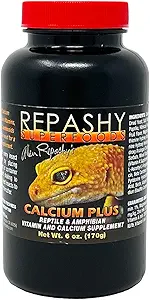
Correcting calcium, D3, and UVB early can manage the condition, but existing deformities are permanent and advanced cases need a vet. A calcium and multivitamin supplement is the other half of prevention.

Retained Shed (Dysecdysis)
Fat-tailed geckos, like leopard geckos, go through a complete shedding cycle and are genuinely prone to shed getting stuck, particularly on the toes and tail tip, when humidity runs too low or there's no moist hide available. This is the single most common fat-tail-specific problem, and it's almost entirely preventable.
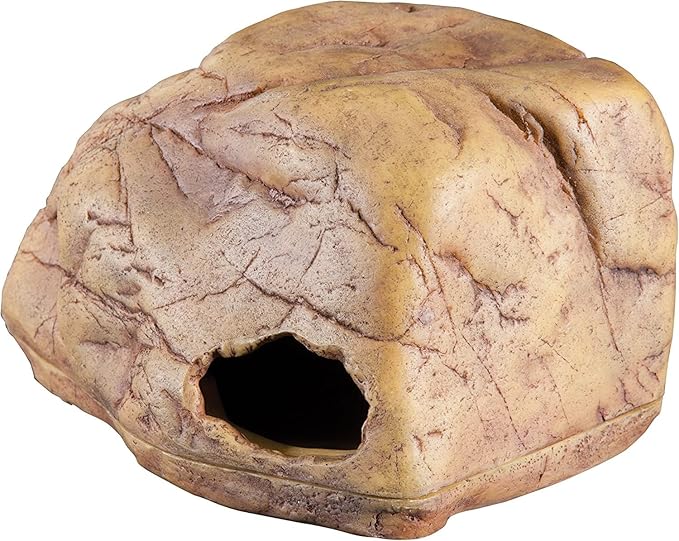
Retained skin that constricts can cut off circulation and cause tissue loss if not addressed. It's manageable at home with a proper moist hide lined with damp sphagnum moss and correct humidity, see a vet if constriction or tissue death has already started.
The fat stored in this species' tail isn't just a curiosity, it's a genuine energy reserve, similar to what a leopard gecko carries. A visibly thin tail on an otherwise normal-looking gecko is often one of the earliest signs something's off with feeding or husbandry, well before other symptoms show up.
Impaction
Terrestrial geckos feeding on loose substrate can accidentally ingest it, leading to a gut blockage.
Watch for: bloating, lethargy, appetite loss, and straining.
Reduce risk with appropriate substrate choices and correctly sized prey.
Respiratory Infection
Caused by an enclosure kept too cool, too damp, or both, so a reliable thermostat matters here too.

Watch for: wheezing, mucus, open-mouth breathing, and lethargy.
This needs a vet and antibiotic treatment, it won't resolve on its own.
Egg-Binding, Tail Loss, and Eye Issues
Females can experience egg-binding (dystocia), a genuine emergency requiring immediate vet care. Tail loss happens through rough handling or fright. Eye problems are also relatively commonly reported in this species and are worth a vet visit if you notice cloudiness, swelling, or discharge that isn't tied to a normal shed cycle.
The Husbandry Connection Worth Remembering
No moist hide, or an enclosure that's simply too dry overall, is the direct cause of the most common fat-tail health complaint: stuck shed on the toes and tail. Keeping the enclosure too cool and too damp at the same time causes respiratory infection. Skipping calcium, D3, and UVB causes MBD. Get the setup right and most of this list never shows up, the same is largely true of the closely related leopard gecko, where humidity and calcium mistakes drive most of the same conditions.
The same husbandry-first pattern holds across the other commonly kept geckos: gargoyle geckos and mourning geckos get sick for husbandry reasons far more often than for anything else.
Sources & Further Reading
Last reviewed 26 Jul 2026 · 2 sources
❓ Frequently Asked Questions
What is the most common health issue in African fat-tailed geckos?
Retained shed (dysecdysis) on the toes and tail tip, the single most common fat-tail-specific problem. It shows up when humidity is too low or no moist hide is available, and a proper moist hide plus correct humidity prevents almost all of it.
What causes metabolic bone disease in this species?
Calcium or vitamin D3 deficiency, often alongside missing UVB. It's widely described as the most common serious issue in this species and can be fatal if it progresses. Watch for lethargy, difficulty standing or walking, swollen joints, muscle twitches, and spinal curvature.
Can African fat-tailed geckos get impacted?
Yes. As terrestrial geckos feeding on loose substrate, they can accidentally ingest it and develop a gut blockage. Watch for bloating, lethargy, appetite loss, and straining, and reduce risk with appropriate substrate choices and correctly sized prey.
What causes respiratory infection in fat-tailed geckos?
An enclosure that is too cool, too damp, or both. Watch for wheezing, mucus, open-mouth breathing, and lethargy. It needs a vet and antibiotic treatment, and won't clear on its own.
Is egg-binding a concern in this species?
Yes. Females can experience egg-binding (dystocia), and it is a genuine emergency requiring immediate vet care. Eye problems are also reported relatively commonly here, so cloudiness, swelling, or discharge outside a normal shed cycle is worth a vet visit.
📰 More on the African Fat-Tailed Gecko
📘 African Fat-Tailed Gecko care guide
🦎 How Much Does an African Fat-Tailed Gecko Really Cost?
🦎 How to Handle an African Fat-Tailed Gecko
🦎 African Fat-Tailed Gecko Tank Setup: Built for the Ground, Not the Branches
🦎 African Fat-Tailed Gecko Feeding: Schedule, Diet, and Why They Stop Eating
🦎 African Fat-Tailed Gecko Enrichment: The Closest Cousin Was Studied
🛒 Recommended Gear
As an Amazon Associate, we earn from qualifying purchases through the links above - at no extra cost to you.
Written by Michael Ryan
Mike keeps two rescued bearded dragons, Dex and Cera, and writes the care guides on BeastlyFacts from his own research and mistakes. He is not a veterinarian.
More about Michael Ryan →Comments
No comments yet - be the first!