Tokay Gecko Enclosure Setup: Warm, Vertical, and Genuinely Humid
On This Page▾

Tokay gecko care runs warm and humid, closer to a rainforest setup than the arid conditions many other geckos prefer.
Enclosure Size
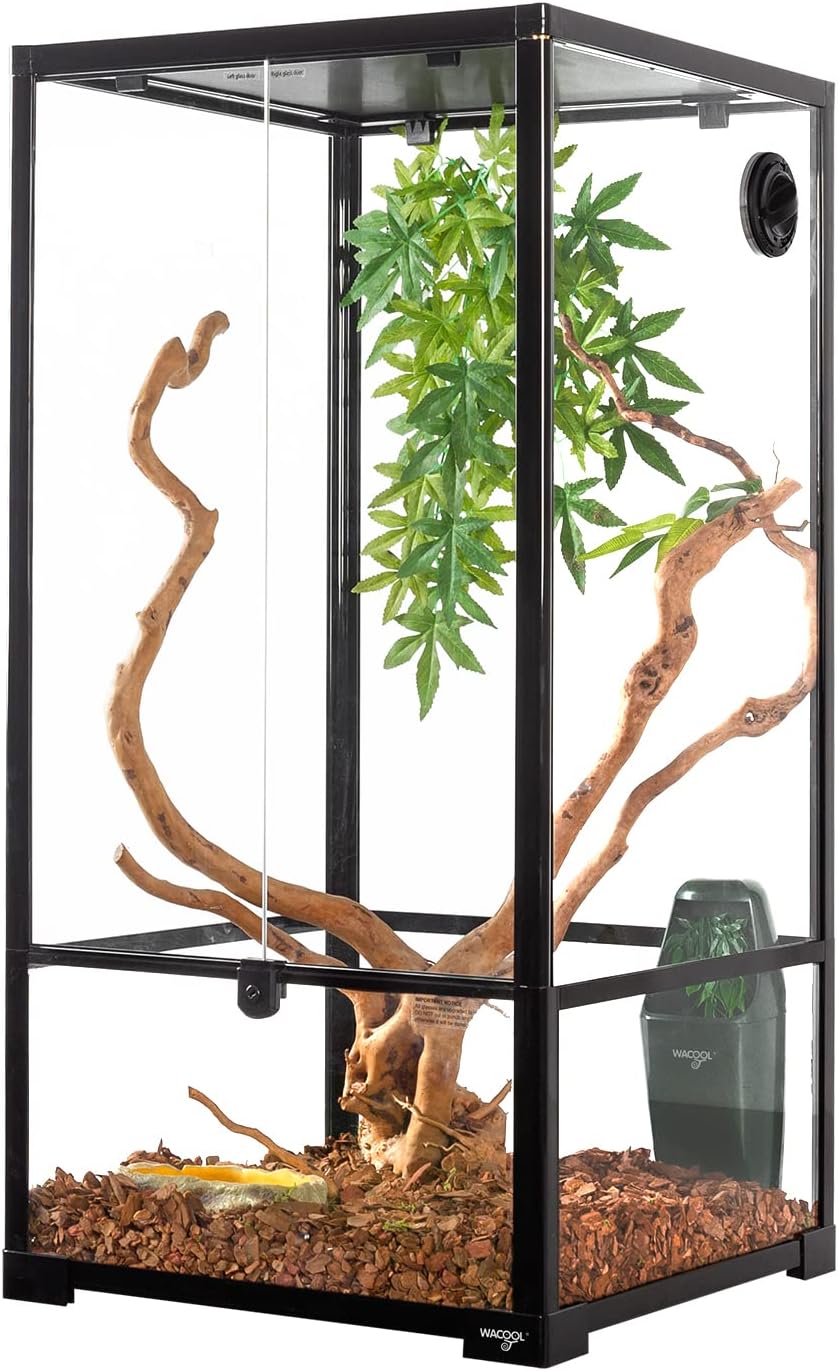
18 inches long by 18 inches wide by 36 inches tall as a minimum, larger is better. This is an arboreal species, so vertical space genuinely matters more than floor space. A front-opening enclosure makes maintenance easier given how defensive this species can be. House one gecko per enclosure unless you are deliberately setting up a pair, since tokays are highly territorial and two males will fight.
Temperature
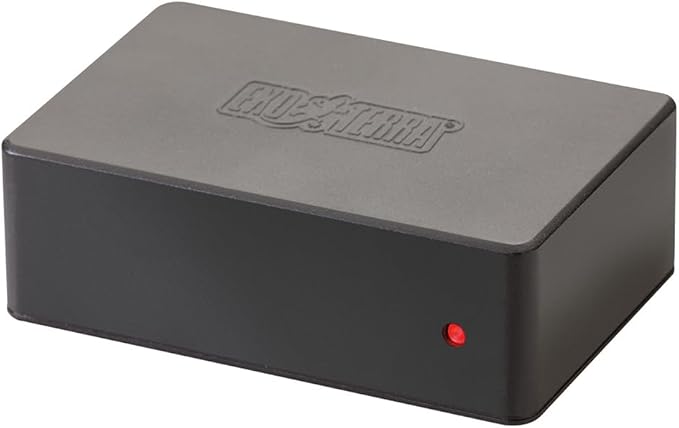
Basking area 90 to 105F, cooler zone 80 to 85F, and nighttime should stay warmer than many homes naturally run, 75 to 80F, not dropping below about 70F. Use a halogen basking bulb during the day, and pair it with a lightless ceramic heat emitter or deep heat projector on a thermostat for overnight warmth, this species genuinely needs supplemental night heat more than most.

Humidity: 60 to 80%, Not a Desert Setup
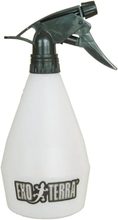
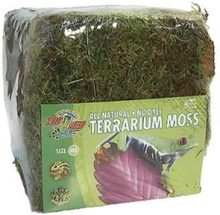
60 to 80% is the target range, considerably more humid than what suits a desert species. Achieve this with daily or twice-daily misting using a fine mist spray bottle, moisture-retentive substrate, sphagnum moss, and leaf litter. Good ventilation matters here too, high humidity without airflow invites mold.
A tokay gecko's basking area can run as hot as 105F, while its nighttime enclosure still needs to stay warmer than most homes naturally run, 75 to 80F, a combination that makes this one of the more demanding heating setups among commonly kept geckos.
Substrate
Coconut fiber or a bioactive-style mix, at least 2 to 3 inches deep, with moss and leaf litter layered on top. Avoid pine and cedar entirely, both release fumes that are toxic to reptiles.
Lighting
As a nocturnal species, tokays can technically survive without UVB if their diet supplies enough vitamin D3, but low-level UVB, a 5% or forest-strength T5 bulb, offers real benefit. Replace the bulb every 6 to 12 months. Keep nights genuinely dark.
Diet Basics
Tokay geckos are insectivores, and there is no powdered fruit diet for them the way there is for a crested gecko. Gut-loaded crickets, dubia roaches, and similar feeder insects make up the diet, with nothing offered wider than the gecko's own head. Juveniles eat daily and full-grown adults every other day, within a feeding window of about five minutes rather than food left standing in the enclosure. Dust feeders with calcium and vitamin D3, and keep fresh, dechlorinated water in a shallow dish at all times. What the insects themselves ate in the days before the feeding does real nutritional work, and gut-loading the feeders is where that work happens.
The Non-Obvious Requirement: Climbing Structures at Every Level
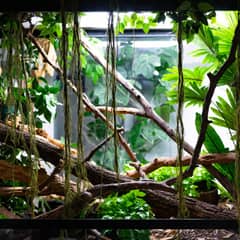
Provide branches, cork bark, and foliage spanning the full height of the enclosure, not just near the top or bottom. This lets your tokay move along the vertical temperature gradient to thermoregulate properly.
A leopard gecko or an African fat-tail runs dry and warm rather than humid and warm, which is why two geckos in the same room can need opposite readings on the hygrometer.
Sources & Further Reading
Last reviewed 23 Jul 2026 · 2 sources
❓ Frequently Asked Questions
What size enclosure does a tokay gecko need?
18 by 18 by 36 inches as a minimum, and bigger is always better. Vertical space matters more than floor space for an arboreal species. One gecko per enclosure is the default, since tokays are highly territorial and two males will fight.
What temperatures does a tokay gecko need?
A basking area of 90 to 105F, a cooler zone of 80 to 85F, and nighttime temperatures staying warmer than many homes naturally run, 75 to 80F, not dropping below about 70F.
How humid should a tokay gecko enclosure be?
60 to 80%, considerably more humid than what suits a desert species. This is achieved with daily or twice-daily misting, moisture-retentive substrate, sphagnum moss, and leaf litter, along with good ventilation so the humidity doesn't invite mold.
Does a tokay gecko need UVB?
Not strictly, since a nocturnal gecko can get its vitamin D3 from diet, but low-level UVB at 5% or forest strength brings real benefit. Swap the bulb every 6 to 12 months.
What do tokay geckos eat, and how often?
Gut-loaded feeder insects, crickets and dubia roaches among them, with nothing wider than the gecko's own head. Juveniles eat daily and full-grown adults every other day, in a feeding window of about five minutes. Dust with calcium and vitamin D3, and keep a shallow dish of dechlorinated water available.
What substrate is safe for a tokay gecko?
Coconut fiber or a bioactive-style mix, 2 to 3 inches deep at least, topped with moss and leaf litter. No pine or cedar: the fumes are toxic to reptiles.
📰 More on the Tokay Gecko
📘 Tokay Gecko care guide
🦎 How Much Does a Tokay Gecko Really Cost?
🦎 Should You Handle a Tokay Gecko? Probably Not Often
🦎 Common Tokay Gecko Health Issues and What Causes Them
🦎 Tokay Gecko Feeding: Five Minutes of Insects, Nothing Wider Than the Head, and Mice as a Rare Treat
🦎 Tokay Gecko Enrichment: A 2024 Study Says Keep Them in Pairs
🛒 Recommended Gear
As an Amazon Associate, we earn from qualifying purchases through the links above - at no extra cost to you.
Written by Michael Ryan
Mike keeps two rescued bearded dragons, Dex and Cera, and writes the care guides on BeastlyFacts from his own research and mistakes. He is not a veterinarian.
More about Michael Ryan →Comments
No comments yet - be the first!