Common Red-Footed Tortoise Health Issues and What Causes Them
On This Page▾

Red-footed tortoises flip the usual tortoise-care script on one big point: too little humidity, not too much, is what tends to make them sick, alongside the same UVB, calcium, and diet fundamentals that matter for any tortoise.
Respiratory Infection: The Opposite Risk From Arid Tortoises
This is the single biggest reversal from Russian and sulcata tortoise care, and it's worth flagging clearly. For an arid-species tortoise, damp and cold cause respiratory infection. For a red-footed tortoise, it's chronically dry, cool conditions that put it at risk, several reptile-vet sources describe a red-footed tortoise kept dry and cool as highly likely to eventually develop respiratory problems. Watch for wheezing, nasal discharge, lethargy, and open-mouth breathing. Always see a vet immediately, this does not resolve on its own and needs antibiotics, while you raise humidity and warmth in the meantime.
For most tortoises, damp and cold cause respiratory infection. For a red-footed tortoise, it's the reverse: chronically dry, cool conditions are the real risk, the exact opposite husbandry mistake from the one that threatens a Russian or sulcata tortoise.
Metabolic Bone Disease (MBD)
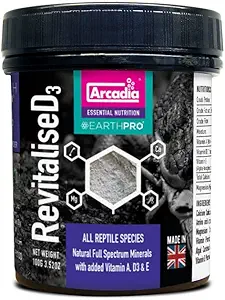
Watch for a soft or deformed shell and weak limbs. Caused by inadequate UVB or insufficient dietary calcium, same as with any tortoise. Always see a vet, and treat consistent UVB exposure plus a calcium and D3 supplement as essential from the start, not optional extras.

Shell Rot: Humid Isn't the Same as Wet
Soft, discolored, or foul-smelling patches on the shell, sometimes with lifting or flaking scutes, a bacterial or fungal infection that typically enters through a cut, scrape, or shell lesion, according to a breakdown of turtle and tortoise shell rot. Here's the nuance that matters specifically for this species: a red-footed tortoise's enclosure is supposed to run humid, so "humid" alone isn't the risk factor. What actually causes shell rot is a substrate that's perpetually soggy, dirty, or waterlogged rather than evenly moist, one detailed care resource puts it plainly: there's a real difference between humid and constantly wet. Keep the substrate damp and clean rather than stagnant, and see a vet promptly, this can progress to a genuine life-threatening infection if left untreated.
Pyramiding
Abnormal, raised, cone-shaped growth of the shell scutes instead of a smooth, flat carapace. This is permanent once it happens, prevention is the only real strategy. A controlled study on red-footed tortoise hatchlings specifically found that a high-starch diet drove faster growth, more pronounced pyramiding, and lower bone mass and density compared to a high-fiber diet with otherwise identical conditions. Low humidity during the growing years compounds the risk further, the same broad relationship documented in other tortoise species appears to hold here too. Correct humidity and a fiber-appropriate diet are your best defense.
Hind-Leg Weakness From a Protein-Deficient Diet
A real, species-specific issue that doesn't come up with a strict herbivore like the sulcata or Russian tortoise. Red-footed tortoises raised on a plant-only diet commonly develop hind-leg weakness or outright paralysis, along with poor fertility and weak hatchlings. Unlike most of the issues on this list, this one is a diet gap rather than a husbandry mismatch.
The Husbandry Pattern Worth Remembering
Dry, cool conditions cause the respiratory infection that's the most urgent item on this list, the reverse of what threatens arid tortoises. Stagnant, dirty moisture, not humidity itself, causes shell rot. Low humidity and a starch-heavy diet during the growing years cause pyramiding. Weak UVB and calcium cause MBD. And a plant-only diet causes hind-leg weakness in this species specifically.
There is more on the species in the Red-Footed Tortoise encyclopedia profile.
Sources & Further Reading
3 sources
- ReptiFiles: Red-Footed Tortoise Care Sheet
- Reptile Direct: Turtle Shell Rot
- Mendoza, P., Furuta, C., Garcia, B., Zena, L.A., Artoni, S., Dierenfeld, E.S., Bícego, K.C., & Carciofi, A.C. (2022). "Starch and fiber intake effects on energy metabolism, growth, and carapacial scute pyramiding of red-footed tortoise hatchlings (Chelonoidis carbonaria)." Comparative Biochemistry and Physiology Part A, 265, 111131. doi.org/10.1016/j.cbpa.2021.111131
❓ Frequently Asked Questions
What causes respiratory infection in red-footed tortoises?
Chronically dry, cool conditions, the opposite of what causes it in the sulcata and Russian tortoises. Watch for wheezing, nasal discharge, lethargy, and open-mouth breathing. Always see a vet, this needs antibiotics and won't resolve on its own.
What causes metabolic bone disease in red-footed tortoises?
Inadequate UVB or insufficient dietary calcium, the same as any tortoise. Watch for a soft or deformed shell and weak limbs. Consistent UVB exposure and a real calcium source are essential from the start, not optional extras.
What causes shell rot, and how is it different from a dry-climate tortoise's risk?
Stagnant, dirty, or waterlogged substrate and poor ventilation, not humidity itself. A red-footed tortoise's enclosure is supposed to stay humid, so the actual risk factor is a soggy, uncleaned substrate rather than the humidity level, a real distinction worth understanding rather than assuming humid automatically means risky.
What causes pyramiding in red-footed tortoises?
Low humidity during the growing years and a diet too heavy in starch relative to fiber, according to a controlled study on red-footed tortoise hatchlings specifically. It's permanent once it happens, so prevention through correct humidity and diet is the only real fix.
What happens if a red-footed tortoise doesn't get enough animal protein?
Hind-leg weakness or paralysis, along with poor fertility and weak hatchlings, a pattern documented repeatedly in tortoises raised on plant-only diets. This is a real, species-specific risk, not a minor dietary preference.
📰 More on the Red Footed Tortoise
📘 Red Footed Tortoise care guide
🐢 How Much Does a Red-Footed Tortoise Really Cost?
🐢 How to Handle a Red-Footed Tortoise
🐢 Red-Footed Tortoise Enclosure Setup: A Humid Tropical Setup, Not a Desert One
🐢 Red-Footed Tortoise Feeding: Diet, Schedule, and Why Protein Isn't Optional
🐢 Red-Footed Tortoise Enrichment: Enriched Tortoises Are More Optimistic
🛒 Recommended Gear
As an Amazon Associate, we earn from qualifying purchases through the links above - at no extra cost to you.
Written by Michael Ryan
Mike keeps two rescued bearded dragons, Dex and Cera, and writes the care guides on BeastlyFacts from his own research and mistakes. He is not a veterinarian.
More about Michael Ryan →Comments
No comments yet - be the first!