Red-Footed Tortoise Enclosure Setup: A Humid Tropical Setup, Not a Desert One
On This Page▾

Red-footed tortoise care means building a humid tropical enclosure, not the dry open-air setup that works for a Russian or sulcata tortoise, and getting the humidity and enclosure type right is most of what separates a thriving red-foot from a struggling one.
Enclosure Size and Type: Enclosed, Not Open-Top
Plan for an indoor minimum around 18 to 24 square feet of floor space for one adult, meaningfully larger than a Russian tortoise's footprint, but nowhere near the outdoor acreage a sulcata eventually needs. A 4x2x2 ft enclosed enclosure works well from hatchling through juvenile. Full adults typically outgrow what's available off the shelf, and most keepers end up building a custom enclosure or converting a large stock tank at that point, sized well beyond the juvenile setup.
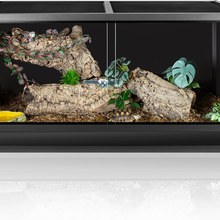
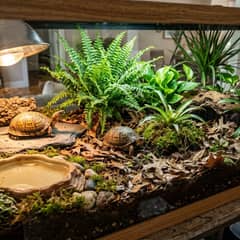
The type of enclosure matters as much as the size here. Russian and sulcata tortoises both use an open-topped tortoise table, but ReptiFiles' red-footed tortoise care sheet is direct about why that doesn't work for this species: an open top makes it essentially impossible to hold real humidity, since it just escapes upward. An enclosed, front-opening design with a solid or mostly solid top is the actual requirement, good ventilation still matters, but "open on top" and "well-ventilated" aren't the same thing for a species that needs to hold 70 to 80% humidity.
Temperature
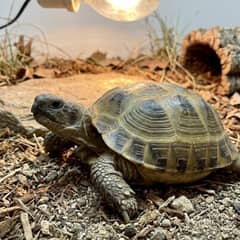
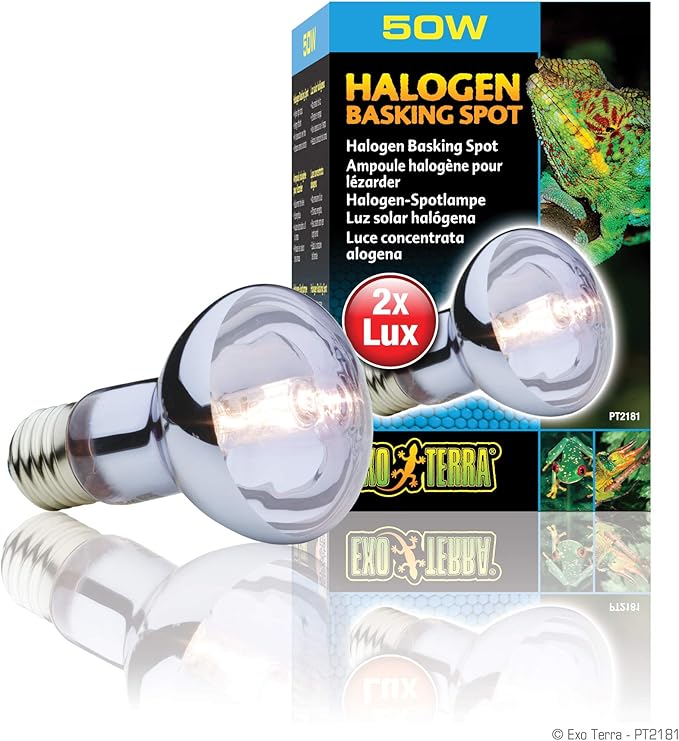
Basking spot around 90 to 95°F, cool side in the mid-70s to 80°F. Keep the nighttime floor from dropping much below 70°F, this species has essentially no cold tolerance, unlike the Russian tortoise. A halogen basking bulb handles the daytime basking spot. Overnight is where this setup diverges from a Russian tortoise's: most homes need a ceramic heat emitter running after the basking light shuts off, since a Russian tortoise tolerates a cool night in most climates and a red-footed tortoise really shouldn't be asked to.

Humidity: The Defining Requirement
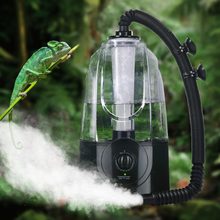
This is the single biggest difference from an arid tortoise, and the number to actually hit is 70 to 80% ambient humidity, with occasional spikes higher being fine, according to multiple care sheets covering this species. Hitting that number consistently, not just misting once and hoping, is what matters. Moisture-retentive substrate kept evenly damp is the foundation. A humid hide packed with damp sphagnum moss gives a concentrated pocket of higher humidity for shedding and hydration. A large soaking dish adds both humidity and a place to drink and soak, which this species does often. For the misting itself, manual spraying two to three times a day works, though a basic automatic fogger or misting system ($35 to $60) does it more reliably. For a larger enclosure, ReptiFiles specifically points to something like the MistKing Starter misting system for even, consistent coverage. Track actual conditions with a digital hygrometer placed toward the middle of the enclosure rather than guessing.
The Russian tortoise is biologically programmed to brumate for months every winter. A red-footed tortoise has essentially no cold-hardiness at all, so if it gets too cold, it doesn't hibernate, it gets sick, the opposite problem from a species built for a genuine winter shutdown.
Substrate
Coconut fiber, cypress mulch, or a peat-based mix all work well, kept evenly damp rather than bone dry or waterlogged, at least 4 to 6 inches deep. A coconut fiber substrate is an easy, moisture-holding default, and cypress mulch is a solid alternative many care sheets recommend specifically for this species. Skip the dry, sandy, arid-style substrate mixes used for a Russian or sulcata tortoise entirely, they're built for a completely different climate and will actively work against the humidity you're trying to hold.
Lighting
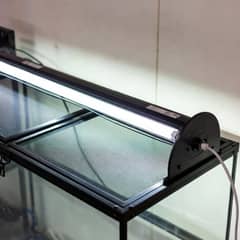
Daily UVB is essential, run about 12 hours a day. The usual recommendation is a fairly strong T5 HO fixture in the Arcadia 12% or Zoo Med ReptiSun 10.0 range, the same strength used for Russian and sulcata tortoises. The forest-edge origin puts this species in a lower "Ferguson zone" than open-habitat tortoises, though, which is the case for a more moderate option like an Arcadia Forest 6% fixture instead. Either approach can work, the detail that matters most is giving the tortoise real shade options, dense planting or a shaded hide it can retreat to, so it can self-regulate its own UV exposure rather than being stuck under one fixed intensity all day.
Why This Species Never Brumates
This is a genuine, verified point of difference from the Russian tortoise. Russian tortoises are native to cold Central Asian steppe and are physiologically built to brumate for months each winter. Red-footed tortoises come from warm, humid, equatorial South America and have no comparable cold-hardiness. They don't hibernate through a cold snap, they get sick from one. Expect a mild slowdown in activity during cooler weather even indoors, but never let temperatures drop far enough that anything resembling brumation becomes a real risk, this species needs a warm range maintained year-round, full stop.
There is more on the species in the Red-Footed Tortoise encyclopedia profile.
A cold-hardy species needs close to the opposite build: the Russian tortoise gets a dry, open-topped table and a winter cool enough to brumate in.
Sources & Further Reading
❓ Frequently Asked Questions
What size enclosure does a red-footed tortoise need?
An indoor minimum around 18 to 24 square feet for one adult, larger than a Russian tortoise's setup, well short of a sulcata's outdoor footprint. A 4x2x2 ft enclosed enclosure works for a hatchling through juvenile; adults typically need a custom-built or stock-tank-style enclosure larger than that.
What temperature does a red-footed tortoise enclosure need?
A basking spot around 90 to 95°F, a cool side in the mid-70s to 80°F, and a nighttime floor that doesn't drop much below 70°F. Unlike a Russian tortoise, this species typically needs supplemental heat both day and night, since it has no real cold tolerance.
How much humidity does a red-footed tortoise need, and how do I hit that number?
70 to 80% ambient humidity, with brief spikes higher being fine. Moisture-retentive substrate, a humid hide, a large soak dish, and either regular manual misting or an automatic fogger or misting system are how keepers hold that number, rather than a one-time spray.
What substrate is best for a red-footed tortoise?
Coconut fiber, cypress mulch, or a peat-based mix, kept evenly damp rather than either bone dry or waterlogged, at least 4 to 6 inches deep. Avoid dry, sandy, arid-style substrate entirely, it's built for a completely different species.
Do red-footed tortoises need to brumate?
No, and they shouldn't be allowed to try. Unlike the Russian tortoise, which is biologically programmed to brumate each winter, a red-footed tortoise comes from warm, humid, equatorial South America and has no cold-hardiness at all. It needs a warm range year-round, not a winter dormancy period.
📰 More on the Red Footed Tortoise
📘 Red Footed Tortoise care guide
🐢 How Much Does a Red-Footed Tortoise Really Cost?
🐢 How to Handle a Red-Footed Tortoise
🐢 Common Red-Footed Tortoise Health Issues and What Causes Them
🐢 Red-Footed Tortoise Feeding: Diet, Schedule, and Why Protein Isn't Optional
🐢 Red-Footed Tortoise Enrichment: Enriched Tortoises Are More Optimistic
🛒 Recommended Gear
As an Amazon Associate, we earn from qualifying purchases through the links above - at no extra cost to you.
Written by Michael Ryan
Mike keeps two rescued bearded dragons, Dex and Cera, and writes the care guides on BeastlyFacts from his own research and mistakes. He is not a veterinarian.
More about Michael Ryan →Comments
No comments yet - be the first!