How Much Does a Red-Footed Tortoise Really Cost?
On This Page▾

Red-footed tortoises land in a useful price bracket, pricier and more space-hungry than a Russian tortoise, but nowhere near the multi-thousand-dollar outdoor build a sulcata eventually demands. The cost story here isn't the tortoise itself, it's the humidity equipment a Russian tortoise owner never has to buy.
The Tortoise: $150 to $900
Captive-bred hatchlings commonly run $150 to $300, with well-started juveniles typically $350 to $600. A full-grown adult from a reputable breeder tends to land between $550 and $900. Florida Iguana & Tortoise Breeders, a long-running Florida breeder, lists close to exactly this spread: $159 hatchlings, $425 to $599 young adults in the 7 to 9 inch range, and $549 to $895 for full 11 to 14 inch adults. Specific bloodlines (their hardy "Andrews" line, descended from Hurricane Andrew rescue stock in Homestead) or unusually large individuals can push past $1,000. This species does noticeably better on captive-bred stock than most, since imported wild-caught animals carry a real parasite burden.
Upfront Setup: $500 to $950
| Item | Cost Range |
|---|---|
| Full enclosed setup (enclosure, UVB, basking + night heat, substrate, fogger, water dish) | $500 - $950 |
| Enclosed starter enclosure (hatchling/juvenile) | $280 - $400 |
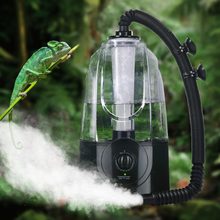
| Fogger or automatic misting system | $35 - $60 |
Prices last checked September 2026 at Zen Habitats, Josh's Frogs and PetSmart. Retail prices move; treat the table as a snapshot, not a quote.
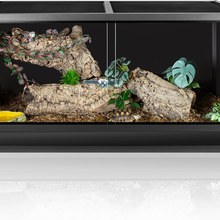
This is where the budget diverges from a Russian tortoise's, and it starts with the enclosure itself. ReptiFiles' red-footed tortoise care sheet is blunt about it: open-topped tortoise tables, the standard setup for a Russian or sulcata, aren't recommended here, because they make holding real humidity impossible. A 4x2x2 ft enclosed PVC enclosure ($280 to $400) works well as a hatchling-through-juvenile setup. A full adult needs meaningfully more floor space than that, and at that size most keepers end up building a custom enclosure or converting a stock tank rather than buying one off the shelf, larger than a Russian tortoise's footprint but well short of the outdoor pen a sulcata eventually needs, which the sulcata tortoise cost guide prices out.
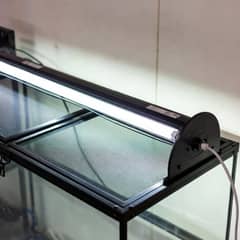
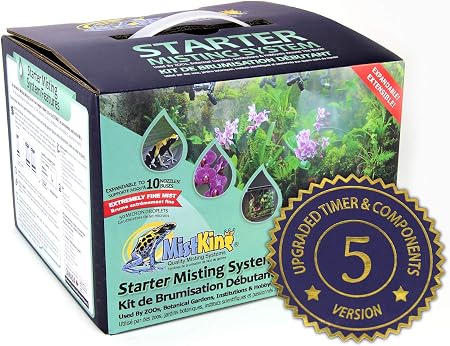
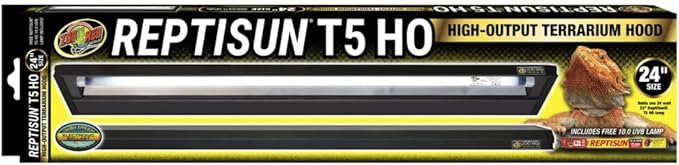
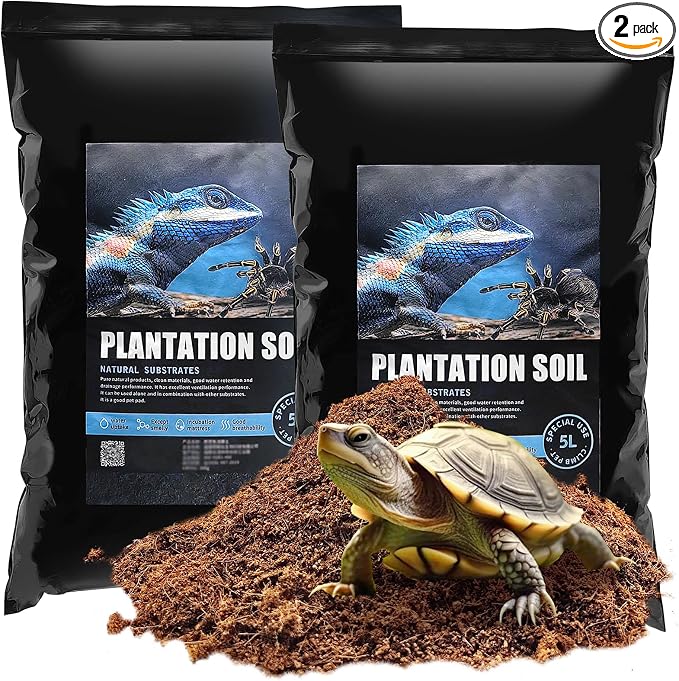
Humidity equipment is the other real difference. A Russian tortoise owner's list stops at a thermometer and hygrometer; a red-footed tortoise owner needs to actively generate humidity every day. A basic automatic misting system or fogger runs $35 to $60. For a larger enclosure, ReptiFiles specifically points keepers toward something like the MistKing Starter misting system ($190 to $210) for genuinely consistent coverage rather than a daily spike and crash. Round out the setup with a T5 HO UVB fixture ($55 to $70), moisture-holding coconut fiber substrate ($10 to $16), and a large soaking dish ($18 to $30), since this species drinks and soaks often.

Ongoing Costs: Roughly $650 to $850 a Year
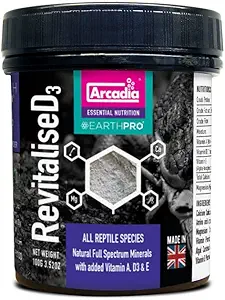
Food costs run a bit higher than a strict-herbivore tortoise's grass-and-weeds diet, since a proper red-footed tortoise diet includes regular fruit and occasional animal protein alongside leafy greens. Substrate needs replacing more often than a dry setup too, since it's meant to stay consistently damp. Electricity is the other place this adds up: unlike a Russian tortoise, which tolerates cool nights without supplemental heat in most homes, a red-footed tortoise typically needs both a daytime basking bulb and overnight warmth, plus a fogger or misting system running daily. A calcium and D3 supplement ($13 to $23) is a small, worthwhile addition on top of that.
A hatchling red-footed tortoise is barely 2 inches long, light enough to sit in a spoon, yet with steady care it reaches 3 to 4 inches by its first birthday and 9 to 11 inches by age 5, and can go on to live 50 to 70 years or more, with some well-kept individuals reportedly approaching 90.
Vet Costs
A routine exotic-vet checkup runs around $75 to $100, and it's worth specifically finding a vet with chelonian (turtle and tortoise) experience rather than a general exotics practice. Illness requiring bloodwork, imaging, or medication, a respiratory infection is the most common reason a red-footed tortoise ends up at the vet, commonly runs $150 to $400 or more.
Lifespan: The Number That Matters Most for Planning
50 to 70 years or more is the commonly cited range, and exceptionally well-kept individuals are reported close to 90. That's a shorter typical ceiling than a sulcata's 70 to 150-plus years, but still comfortably a multi-decade, potentially generational commitment, one worth planning for the same way you would a Russian or sulcata tortoise.
How This Compares to Russian and Sulcata Tortoises
Size and cost both land the red-footed tortoise squarely between the Russian tortoise and the sulcata. A Russian tortoise stays a compact 5 to 10 inches and can live its whole life on an open-topped table indoors, the smaller budget the Russian tortoise cost guide sets out. A sulcata dwarfs both, eventually needing real outdoor acreage and a heated shelter. A red-footed tortoise reaches 11 to 16 inches, occasionally up to 20, needing a larger enclosure than a Russian tortoise but nothing close to a sulcata's outdoor build. The trade-off for that manageable size is the humidity side of the budget: a Russian tortoise owner never buys a fogger, and a red-footed tortoise owner always does.
There is more on the species in the Red-Footed Tortoise encyclopedia profile. The red-footed tortoise also shows up alongside the garter snake and rosy boa in our roundup of Three Reptiles Worth Starting With, Each for a Different Reason.
Sources & Further Reading
❓ Frequently Asked Questions
How much does a red-footed tortoise itself cost?
Captive-bred hatchlings commonly run $150 to $300, well-started juveniles $350 to $600, and full adults from a reputable breeder $550 to $900. Specific bloodlines or unusually large individuals occasionally list well above $1,000.
What does the initial setup cost, and why is it different from a Russian tortoise's?
Roughly $500 to $950. A Russian tortoise gets by on an open-topped table, but red-footed tortoises need an enclosed setup that holds humidity, plus a fogger or misting system, a moisture-retentive substrate, UVB, and both a daytime basking bulb and typically a nighttime heat source since this species can't tolerate a real cold drop.
What does a red-footed tortoise cost to maintain day to day?
Roughly $650 to $850 a year, covering a more varied diet than a strict-herbivore tortoise (fruit, greens, and occasional animal protein), substrate and misting refills, and electricity, which runs a bit higher than a Russian tortoise's setup because of the added night heat and fogger.
Are vet visits expensive for a red-footed tortoise?
A routine exotic-vet checkup runs around $75 to $100, and it's worth finding a vet with real chelonian experience specifically. Illness requiring tests, imaging, or medication commonly runs $150 to $400 or more.
How long do red-footed tortoises live, and why does that matter for budgeting?
50 to 70 years or more is the commonly cited range, and exceptionally well-kept individuals are reported near 90. Like any pet tortoise, that's a commitment that can outlast the owner who bought it, worth planning for as seriously as the upfront cost.
📰 More on the Red Footed Tortoise
📘 Red Footed Tortoise care guide
🐢 How to Handle a Red-Footed Tortoise
🐢 Common Red-Footed Tortoise Health Issues and What Causes Them
🐢 Red-Footed Tortoise Enclosure Setup: A Humid Tropical Setup, Not a Desert One
🐢 Red-Footed Tortoise Feeding: Diet, Schedule, and Why Protein Isn't Optional
🐢 Red-Footed Tortoise Enrichment: Enriched Tortoises Are More Optimistic
🛒 Recommended Gear
As an Amazon Associate, we earn from qualifying purchases through the links above - at no extra cost to you.
Written by Michael Ryan
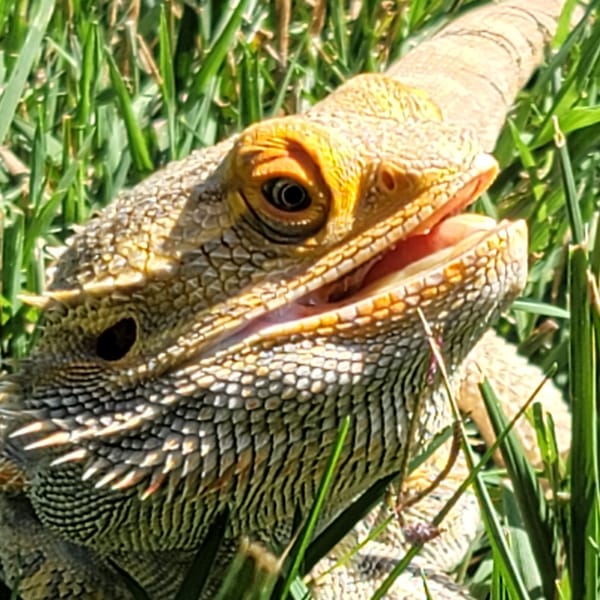
Mike keeps two rescued bearded dragons, Dex and Cera, and writes the care guides on BeastlyFacts from his own research and mistakes. He is not a veterinarian.
More about Michael Ryan →Comments
No comments yet - be the first!