Betta Fish Feeding: Schedule, Diet, and Why They Stop Eating
On This Page▾

Bettas have a reputation for being easy to overfeed and a little dramatic about refusing food. Both have plain answers. A meal is only as many pellets as would fit in the fish's eye, and a betta that stops eating is most often reacting to its water.
Feeding Schedule
Feed a betta twice a day, with at least 8 hours between meals, and keep to the same routine. Build in one fasting day a week with no food at all to support digestion and reduce the risk of bloating or constipation. A betta new to its tank may skip food for its first day while it adjusts; after that it should eat.
Portion size matters more than frequency. Start with the number of pellets that would fit in the fish's eye, which comes to about 2 to 7 depending on pellet size and brand, then adjust by body condition. Nothing should be left sitting on the substrate afterward. Uneaten food is the fastest way to foul a small tank and push ammonia out of range.
What Bettas Eat
Bettas are obligate carnivores. In the wild they eat zooplankton, mosquito and other insect larvae, and other small invertebrates. In captivity, the staple should be a betta-specific high-protein pellet. Tropical flakes and goldfish pellets have the wrong nutrient profile and more filler. Look for a pellet listing dried meats like brine shrimp, krill, or fish meal near the top of the ingredient list, with about 35% protein and about 5% fat. If the pellet expands in water, pre-soak it before feeding to reduce bloat risk.
Round out the staple pellet with frozen, freeze-dried, or live protein treats 1 to 3 times a week: bloodworms, brine shrimp, daphnia, tubifex worms, mysis shrimp, and mosquito larvae are all appropriate. Bloodworms are rich enough that they should stay limited to 1 to 2 times a week, just 1 to 2 worms per meal. Bettas will gorge on them given the chance. Rehydrate freeze-dried food first: feeding it dry raises constipation risk.
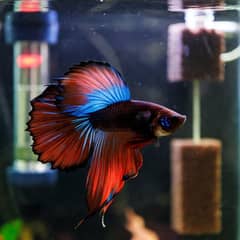
What food can do for a betta's color has a firm limit: it can deepen a red betta's red but cannot turn a blue betta red. In a feeding experiment, redder males given extra carotenoids turned redder than unsupplemented fish, while bluer males on the same supplement stayed blue and gained in immune response instead. Not every pigment works: red females fed annatto oil extract for 28 days showed no change in skin color. What reliably brings out color and condition is the small live and frozen food on the menu above, with daphnia, brine shrimp and bloodworms given on the 1 to 3 treat days each week.
Safe Treats and Foods to Avoid
Safe, in moderation: the frozen, freeze-dried, and live protein treats listed above, plus a cooked, shelled green pea now and then. The pea is a natural remedy for constipation and never a regular food.
Never feed: bread (swells and causes bloating with little nutritional value), onion and garlic, salt, sugary foods, processed meats like hot dogs or lunch meat, citrus, and dairy.
Body Condition: Reading Weight From Above
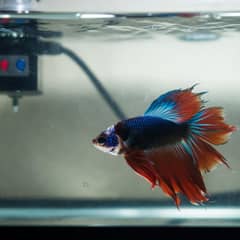
You cannot weigh a betta at home, but you can read its shape. Look down into the tank from above. A betta in good condition looks like a streamlined torpedo, with the "shoulders" just behind the gill covers the same width as the middle third of the body. If the sides bulge outside the shoulders, the betta is too fat. If the shoulders stand out and the middle is small, it is too thin.
For an overweight fish, cut each meal by one pellet, keep that for 2 weeks and look again. If nothing has changed, take away another pellet.
Why Bettas Stop Eating
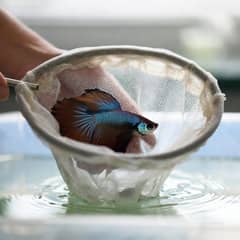
- Environmental stress. A new tank or a recent move, a transfer by net or cup, or an aggressive tankmate can suppress appetite temporarily.
- Poor water quality. Ammonia, nitrite, or nitrate spikes are among the most common causes of both appetite loss and general illness in bettas. This is usually the first thing to check.
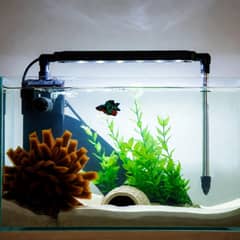
- Water that's too cold. Bettas are tropical fish needing roughly 75 to 86°F. Cold water slows metabolism and appetite, and most home ambient temperatures without a heater run too cold.
- Picky eating. Bettas are known for rejecting a new brand or food type outright. Try a different food before assuming illness.
- Overfeeding, constipation, or swim bladder disease. Eating too fast or too much can swell the stomach against the swim bladder. About half of bloat cases clear with a fast of 24 to 48 hours. A belly that stays swollen or a fish that keeps floating or sinking after the fast needs the swim bladder steps for a betta.
- Illness. Bacterial infection or parasites can suppress appetite, and the signs that come with them are in the list below.
When to Worry
A healthy adult betta can physically survive up to about two weeks without food. That is an emergency ceiling and nothing to aim for. Look for the cause once a betta has refused food for 5 to 7 days, even after you have tried a different food and checked water quality and temperature. If any of the symptoms below shows up, start looking right away instead of waiting out those days.
Watch for: a swollen or bloated belly, stringy or absent feces, lethargy or hiding, clamped fins, white spots on the body, a curved or S-shaped spine, floating at the surface or sinking to the bottom, and labored swimming.
Feeding While You Travel
A healthy adult betta can miss a weekend of meals at low risk, though its regular diet should carry on through a trip whenever someone can give it. For anything longer than a weekend, someone has to feed it. A friend or neighbor can do it; if no one can, hire a pet sitter. Pre-measure each meal into its own bag or container, label it with the day and time, and hide the rest of the food. Automatic feeders almost always overfeed, and the extra food raises ammonia. If you use one, pick a model that holds each meal separately.
The tank needs less help than the fish. A trip of a few days between your usual cleanings needs no extra maintenance, and a tank that is not overstocked should be fine for a week without a cleaning. Do your usual maintenance before you leave and skip any big overhaul, never changing more than half the water at once. If the sitter cannot handle maintenance on a longer trip, hire a professional.
Feeding Fry
This schedule is only for anyone breeding bettas. Freshly hatched fry are fed infusoria several times a day, dropping to 4 to 5 small meals daily as they become free-swimming, then 3 to 4 times a day by weeks 3 to 4, then 2 to 3 times a day as juveniles. Once separated into their own space, juveniles move onto the adult routine.
Feeding to the Size of the Eye
A betta fed what fits in its eye twice a day, with one day off a week, is getting what it needs, even when the portion looks too small. When it turns food down, the water and the temperature deserve a look before the menu does. Five to seven days of refusal is the point to act, or sooner if any physical sign appears.
Sources & Further Reading
Last reviewed 24 Jul 2026 · 6 sources
- Fish Vet, Jessie Sanders, DVM, DABVP (Fish Practice): How to Fix a Fat Betta; How Often Do You Feed a Betta Fish; Vacation Care for Fish
- Dial-A-Vet: What to Do If Your Betta Fish Is Not Eating
- Lichak MR, Barber JR, Kwon YM, Francis KX, Bendesky A (2022). Care and Use of Siamese Fighting Fish (Betta splendens) for Research. Comparative Medicine 72(3):169-180
- Clotfelter ED, Ardia DR, McGraw KJ (2007). Red fish, blue fish: trade-offs between pigmentation and immunity in Betta splendens. Behavioral Ecology 18(6):1139-1145
- Seriously Fish: Betta splendens
- FishBase: Betta splendens, Siamese fighting fish
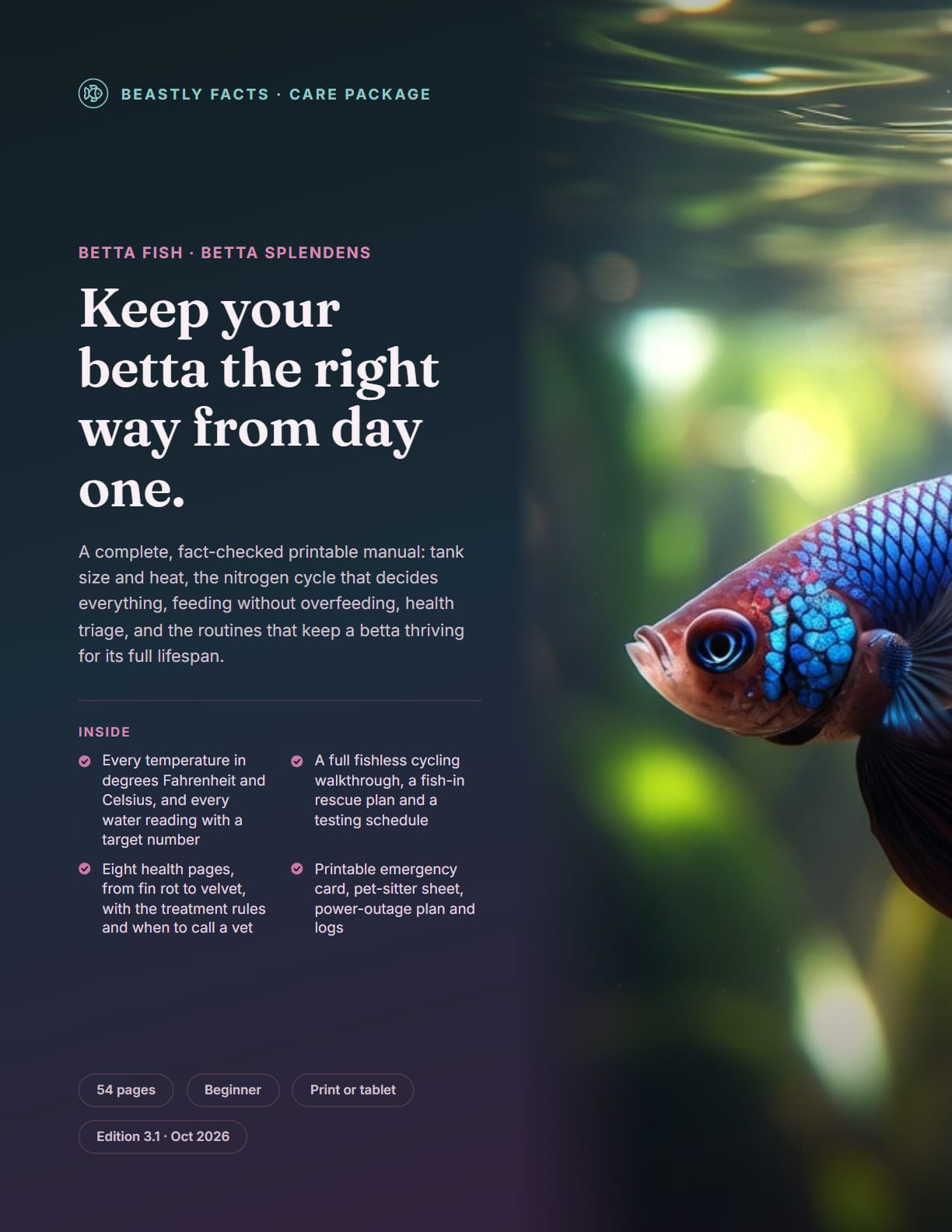
The Betta Fish Care Package puts the feeding section, an owner log and a pet-sitter sheet on paper, in a 54-page PDF you can keep by the tank, $8.99. Includes the Universal Pet Kit free: a routine chart and feeding log you can fill in.
Frequently Asked Questions
How often should I feed my betta fish?
Twice a day, with at least 8 hours between the two meals. Keep the times the same from day to day, and judge the amount by how the fish looks from above.
How much should I feed a betta?
Less than most new owners expect: begin with as many pellets as its eye could hold, which for most brands is somewhere between 2 and 7. Overfeeding is a far more common mistake than underfeeding.
Do bettas need a fasting day?
Yes, one day a week with no food at all. Skipping that day's meals helps prevent the bloating and constipation that overfeeding tends to cause.
Why won't my betta eat?
Most often it's stress from a move or tank change, a new food it dislikes, or water that's too cold or dirty. Bettas need 75 to 86°F, and cooler water slows their metabolism and appetite. Check the water and its temperature first, and look further once it has refused food for 5 to 7 days, or sooner with a swollen belly, clamped fins or lethargy.
How long can a betta go without eating?
A healthy adult can survive up to about two weeks, but treat that as an emergency limit. Start looking for a cause once it has refused food for 5 to 7 days, and sooner if you notice a swollen belly, clamped fins, or lethargy.
Should I buy a color-enhancing food for my betta?
For a red betta it can help, since carotenoids in the food made red bettas redder in a feeding trial. For a blue betta it does nothing for the color. Choose a pellet for its protein level and meat-first ingredient list, and add small live or frozen foods one to three times a week.
What foods should never go in a betta's tank?
Bread, onion or garlic, salt, sugary foods, processed meats, citrus, and dairy. Tropical flakes and goldfish pellets don't work as the main diet either: a betta is an obligate carnivore and needs a high-protein betta pellet.
Recommended Gear
As an Amazon Associate I earn from qualifying purchases through the links above, at no extra cost to you.

Written by Michael Ryan
Mike keeps two rescued bearded dragons, Dex and Cera, and writes the care guides on BeastlyFacts from his own research and mistakes. He is not a veterinarian.
More about Michael Ryan →You May Also Like
Subscribe - it's free
An occasional email when something new is worth your time. No spam.
Health and More