Gerbil Tank Setup: Depth Is Everything
On This Page▾

A Mongolian gerbil is a burrowing animal from dry steppe, and in the wild its burrow runs as much as two feet deep. Its tank needs deep bedding, a dark chamber to dig toward and dry air, in that order of importance.
| What | The Number |
|---|---|
| Tank for a pair | About 39 x 20 x 20 inches |
| Tank for three | About 47 inches long |
| Bedding depth | 8 to 12 inches |
| Room temperature | 68 to 75°F |
| Humidity | 35 to 50%, under 40% is better |
| Wheel | 12 inches, solid and upright |
| Full clean | Every 2 to 3 weeks |
Tank Type and Size
A glass tank is the right home for gerbils, not a wire cage. Wire construction cannot hold the depth of bedding this species needs.
Size it by height as well as floor. The tank has to hold 8 to 12 inches of bedding and still leave room for a gerbil to stand upright on top of it, which means about 20 inches of height. For two gerbils, aim for a tank about 39 inches long, 20 deep and 20 high, and about 47 inches long for three. Among standard US tanks, a 75-gallon, at 48 by 18 by 21 inches, is the closest fit.
A 20-gallon long tank is the smallest tank a pair can live in. It is 12 inches tall, so it forces a choice between shallow bedding and no headroom. Treat it as a stopgap and buy taller if you can.
The Lid
Gerbils jump and chew, so the tank needs a lid. A solid fish tank hood is not suitable, because it traps humid air. Use a framed metal mesh lid with openings no larger than about 0.4 inch, and clip it down. Lids are sold by footprint, and a 30 by 12 inch lid fits only the 20-gallon long, so measure your tank first. For a tank size that no ready-made lid fits, a homemade wooden frame covered in small-gauge mesh does the job.
Bedding: The Defining Requirement
This is the part of gerbil care that most often gets shortchanged.
- Fill the tank with 8 to 12 inches of bedding across the whole floor, not just one corner.
- Mix two or more materials so tunnels hold: soft paper bedding, shredded paper, hemp bedding and soft hay.
- Work the hay through the mix in layers. It acts as the rebar that keeps tunnels from collapsing.
- Add plain paper or tissue as nesting material. A nest is essential.
Avoid:
- Cedar and aromatic pine
- Fine sawdust and dusty wood shavings, which can harm the skin and airways
- Fluffy cotton-style nesting and "seed pod" bedding, which wrap around legs and can cause blockage
- Scented bedding
- Garden soil, which carries bacteria and parasites
A wild Mongolian gerbil's burrow holds one nest and one or two storerooms, and it reaches 18 to 24 inches below the surface.
A Burrow to Dig Toward
Depth is half the burrow. A gerbil also needs a dark, enclosed chamber at the end of a tunnel. Young gerbils given a tube leading to a dark, narrow chamber did far less repetitive digging at the corners. That digging at the glass is the most common sign of a tank that is missing one.
- Take a tube about 2 inches wide and 8 inches or longer. Cardboard works.
- Attach it to a small, dark nest box or a partly buried wooden hide.
- Bury both in the bedding with the tube mouth at the surface.
Temperature and Humidity
Normal room temperature, 68 to 75°F, suits this species without any heating or cooling. Gerbils do not thrive above 80°F, and in a hot room damp air is a bigger problem for a gerbil than the heat itself.
Keep the humidity between 35 and 50%, and below 40% if you can, with good ventilation through the mesh lid. This is a species adapted to arid conditions. Above 50% is where gerbils start developing a sore, red nose.
Lighting
A normal day and night cycle is all this species needs. There is no UVB requirement.
Where to Put the Tank
- Away from radiators, direct sun and drafts.
- Away from televisions, computer screens and vacuum cleaners, which give off high-pitched sound gerbils can hear.
- Away from constant loud noise. Sudden noise can trigger seizures in gerbils prone to them.
- Not in a bedroom. Wild gerbils are active by day, but pet gerbils are busy overnight as well.
The Wheel, the Sand Bath and Things to Gnaw
Wheel. Fit a solid-surface, upright wheel. 8 inches is the minimum and a 12 inch wheel is the size to aim for. Wire-rung and mesh wheels catch tails and are an injury risk. Mesh shelves are out as well: they damage feet.
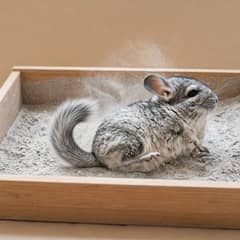
Sand bath. Gerbils need to bathe in sand to keep their coats from becoming oily.
- Fill a large glass or ceramic bowl with dust-free, calcium-free bathing sand.
- Set it on a flat, packed patch of bedding or a wooden platform for a short session. A bath takes a gerbil about five minutes.
- Lift it out afterward. Left in permanently, the sand ends up scattered and soiled.
Gnawing. Keep untreated wood, apple or willow branches and cardboard in the tank at all times. Skip plastic furniture, which gets chewed into sharp edges.
Setting It Up Before the Gerbils Come Home
- Wash the tank, rinse it and dry it fully.
- Put it in its permanent spot.
- Set heavy items on the glass floor first, so nothing can shift onto a gerbil digging underneath.
- Set the tube and nest box in place, then fill the bedding in around them until only the tube mouth shows.
- Add the wheel on a wooden platform or a packed, level patch of bedding, then the chews and nesting paper.
- Hang the water bottle and test it.
- Fit the lid and clip it. Stand a hygrometer, a humidity gauge, inside and check over a full day that it reads under 50%.
Cleaning: Spot-Clean Daily, Full Clean Rarely
Gerbils make very little urine and their droppings are hard and dry, so the tank needs a full clean only every two to three weeks. Every full clean also strips out the scent marks cage-mates use to recognize each other.
- Daily: lift out wet or dirty patches of bedding, remove any uneaten fresh food, and top up nesting material.
- Every two to three weeks: do a full clean. A bigger group or a smaller tank needs it sooner.
For the full clean:
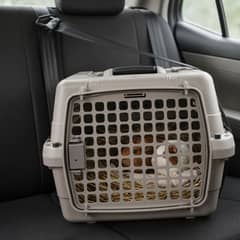
- Move the gerbils to a secure carrier with bedding from their own tank.
- Wash the toys, bowls and bottle with a pet-safe disinfectant.
- Sweep the tank out, wipe it down and let it dry fully.
- Rebuild it in the setup order above.
- Spread back a few handfuls of the old bedding that was still clean, along with the clean part of the nest.
Do not skip the last step. A cleanout that throws away the whole nest can set off fighting between gerbils that had lived together peacefully.
The Routine at a Glance
| When | What to Do |
|---|---|
| Every day | Scatter about a tablespoon of pellets per gerbil, check the water bottle, spot-clean, check the food hoard for anything fresh, and watch each gerbil |
| A few times a week | Offer the sand bath and a small piece of vegetable |
| Every week | Weigh each gerbil and check the scent gland, teeth, nose, tail and nails |
| Every two to three weeks | Full clean, with a few handfuls of old, clean bedding put back |
| Every year | A checkup with a vet who sees gerbils |
When You Go Away
Have a responsible person care for the gerbils in their own tank at your home. Ask them to feed, check the water and spot-clean each day, and to keep handling to a minimum, which is less stressful for gerbils left with a stranger.
Deep, Dark and Dry
A gerbil tank works when the animals can dig a tunnel that holds, reach a dark chamber at the end of it, and breathe dry air. Buy for height, fill it deeper than looks reasonable, and bury a burrow before the gerbils arrive. After that the tank mostly looks after itself, with a daily tidy and a gentle full clean every few weeks.
Sources & Further Reading
Last reviewed 16 Nov 2026 · 6 sources
- NC3Rs: Housing and Husbandry, Gerbil
- Wood Green: Make Your Gerbil Feel at Home
- RSPCA: Creating a Good Home for Gerbils; Gerbil Health
- Merck Veterinary Manual: Gerbils
- PetMD: Gerbil Care Sheet
- Wiedenmayer C (1997). Causation of the ontogenetic development of stereotypic digging in gerbils. Animal Behaviour

A routine chart and equipment log you can fill in for your own setup. The Universal Pet Kit has it, among 19 forms for any pet that you can type into or print.
Frequently Asked Questions
What size tank does a gerbil pair need?
Aim for about 39 inches long, 20 deep and 20 high for two gerbils. A 20-gallon long is the smallest tank a pair can live in, and at 12 inches tall it cannot hold deep bedding and headroom together.
Why do gerbils need a glass tank instead of a wire cage?
A wire cage cannot hold the depth of bedding a gerbil needs, and gerbils do much better on bedding than on wire. A glass tank with a mesh lid keeps the bedding in and lets air through.
How deep should gerbil bedding be?
8 to 12 inches across the whole floor, so a pair can dig tunnels that hold their shape. A couple of inches on a glass floor gives them nothing to dig into.
What humidity level do gerbils need?
Dry air: 35 to 50%, and under 40% is better. Above 50% gerbils develop a sore, red nose.
How often should a gerbil tank be cleaned?
Spot-clean daily and do a full clean every two to three weeks. Put back a few handfuls of the old, clean bedding so the tank still smells familiar.
Can a gerbil tank go in a bedroom?
Better not. Pet gerbils are active overnight, and the digging, gnawing and wheel-running will keep you awake.


Recommended Gear
As an Amazon Associate I earn from qualifying purchases through the links above, at no extra cost to you.

Written by Michael Ryan
Mike keeps two rescued bearded dragons, Dex and Cera, and writes the care guides on BeastlyFacts from his own research and mistakes. He is not a veterinarian.
More about Michael Ryan →You May Also Like


Subscribe - it's free
An occasional email when something new is worth your time. No spam.
Health and More