Degu Feeding: Schedule, Diet, and Why They Stop Eating
On This Page▾

Degu feeding comes down to one rule that matters more than anything else on this page: sugar is dangerous for this species, not just something to limit.
Feeding Schedule
Hay stays available around the clock, this is the non-negotiable foundation of the diet. Pellets should be measured, not free-fed, roughly 1 to 2 tablespoons per degu daily is a reasonable target. This matters more than it might seem, degus will preferentially eat calorie-dense pellets over hay if given unlimited access to both, which undercuts the fiber intake this species actually needs, and letting pellets crowd out hay is one of the more common feeding mistakes with this species, contributing to obesity and dental problems over time. Fresh vegetables are a small, occasional addition, a few thumbnail-sized pieces a few times a week, introduced gradually rather than all at once to avoid digestive upset.
What Degus Eat
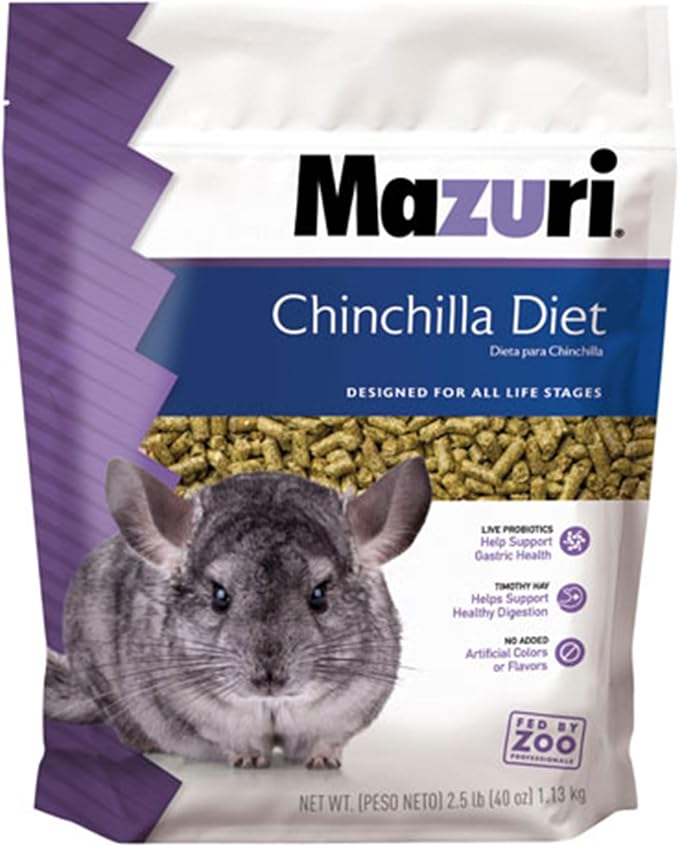
Unlimited grass hay, timothy, meadow, or orchard, should make up the bulk of a degu's diet, available at all times. Alongside that, offer a modest daily amount of a degu-specific or chinchilla pellet, specifically one with no molasses, sugar, dried fruit, seeds, or colorful mixed pieces. A guinea pig pellet, or a 50/50 mix of guinea pig and chinchilla pellets, works as an acceptable alternative if a dedicated degu pellet isn't available. Fresh timothy hay and water should always be accessible.
Let them eat their own droppings. It is a nutritional requirement rather than a habit to discourage: degus need that second pass to get their essential nutrients and to keep the digestive system healthy.
On a correct hay-and-pellet diet, degus generally don't need added vitamin or mineral supplements. Unlike guinea pigs, they produce their own vitamin C internally, so that's not something you need to source separately. If a vet does recommend a supplement for a specific health reason, follow that guidance directly rather than adding one preventively.
Foods to Avoid
This is the most important section of this guide, and the single most consequential feeding mistake with this species. Fruit, honey, molasses, and any sugary treat should be avoided almost entirely, not just limited to small amounts the way you might moderate treats for other small pets. Degus have unusually low natural insulin activity among rodents, and this species is specifically studied as a natural model for diabetes because it develops the disease so readily on a diet with even modest added sugar, a real risk that comes with secondary complications like cataracts and kidney damage.
Also avoid starchy vegetables like corn, peas, and potatoes in any quantity, skip seeds and nuts as regular fare, and steer clear of rabbit food entirely, since rabbit pellets routinely carry a coccidiostat, the anti-parasitic feed additive added to control coccidiosis in rabbits and poultry, and those compounds are harmful to degus. Hamster and gerbil mixes are also the wrong fit, too much protein and seed content for this species' needs. Watch for hidden sugar too, molasses-coated pellets or dried fruit mixed into a "rodent blend" cause the same problem as an obvious sugary treat.
Why Degus Stop Eating
- Dental problems. Tooth spurs, sharp edges on molars that don't align properly, can cut a degu's mouth and make eating painful, usually needing a trim under vet care.
- Diabetes. Beyond the drinking, urination, and cataract symptoms it's known for, appetite loss itself can also be a sign in a degu that's developed the disease.
- Mouth ulcers. Painful sores that cause appetite loss alongside excess drooling and a smelly mouth.
- Digestive bloating (tympany). Painful gas accumulation from a rapid diet change, too much gassy fresh food, or not enough roughage, genuinely suppresses appetite.
- Infection. A sudden drop in appetite can be an early warning sign before other symptoms show up.
- Dehydration. Often a downstream effect of another illness rather than a standalone cause, but it compounds poor condition and further appetite loss.
When to Worry
Degus tend to hide symptoms of illness until they're seriously ill, so treat any noticeable, sustained drop in eating as worth a vet visit rather than something to watch for several days first. See a vet promptly for appetite loss alongside excess drooling or a wet chin, a swollen or gassy-looking abdomen, increased drinking and urination, cloudy eyes, or general lethargy.
Sugar and fruit in the diet cause the diabetes that's this species' signature health risk, and diet discipline, more than with almost any other small pet, is the single biggest lever for keeping a degu healthy long-term.
If you're also weighing a gerbil, see Two Pets Where You're Really Buying a Pair for how the two compare.
Sources & Further Reading
Last reviewed 15 Sep 2026 · 5 sources
- PetMD: Caring for a Degu
- Ardiles, A.O., et al. "Octodon degus: A Model in Comparative Biology and Biomedicine," PMC4386868
- ExoticDirect: Degu Food Advice, What Your Degu Should Be Eating (and Not)
- VIVO Pets: Why Is My Degu Not Eating? 5 Common Reasons
- Degutopia: Degu Diet and Feeding
- RSPCA: Degu Diet
❓ Frequently Asked Questions
What should a degu's diet be built around?
Grass hay, unlimited: timothy, meadow, or orchard. On top of it, a small measured daily amount of pellet made for degus or chinchillas, with no molasses, sugar, dried fruit, seeds, or colorful pieces in it. Guinea pig pellet, or half guinea pig and half chinchilla, is an acceptable substitute.
How much should I feed my degu?
Hay around the clock, no limit, that's the foundation. Pellets get measured instead: roughly 1 to 2 tablespoons per degu a day. Given free access to both, a degu picks the calorie-dense pellets over hay and ends up short on fiber.
Why is sugar so dangerous for degus specifically?
Insulin activity in this rodent is unusually low, which is why degus are studied as a natural model for diabetes: even modest added sugar brings the disease on readily. So fruit, honey, molasses, and sugary treats get avoided almost entirely, not moderated the way treats are for other small pets.
Do degus need vitamin C supplements like guinea pigs do?
No. They make their own vitamin C internally, which guinea pigs can't, so there's nothing to source. On a correct hay-and-pellet diet they generally need no added vitamins or minerals at all.
What foods should I never feed a degu?
Past fruit and sugar: starchy vegetables such as corn, peas, and potatoes, seeds and nuts as regular fare, and rabbit food, which can contain an ingredient toxic to degus. Hamster and gerbil mixes are the wrong fit as well, too much protein and seed for this species.
Why has my degu stopped eating?
Dental problems (sharp tooth spurs that cut the mouth), mouth ulcers, digestive bloating from too rich or too rapidly changed a diet, infection, and dehydration are all documented causes. Diabetes itself can also suppress appetite. Degus tend to hide illness until it's fairly advanced, so don't wait out a persistent refusal.
📰 More on the Degu
🛒 Recommended Gear
As an Amazon Associate, we earn from qualifying purchases through the links above - at no extra cost to you.
Written by Michael Ryan
Mike keeps two rescued bearded dragons, Dex and Cera, and writes the care guides on BeastlyFacts from his own research and mistakes. He is not a veterinarian.
More about Michael Ryan →Comments
No comments yet - be the first!